Amateur radio license address exposure and what to do
Amateur radio license address exposure can come from hobby databases, club lists, and mirror records. Learn where to look and how to remove it.
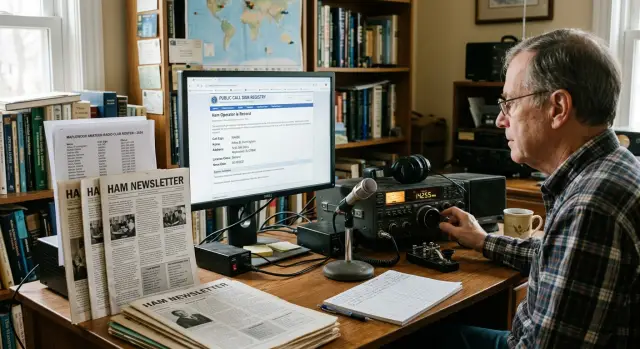
Why your address may be easier to find than you think
A lot of hobby records were built for openness, not privacy. If the goal was public contact, a printed directory, or easy verification, putting an address on file once felt normal. Years later, that same detail can still be online.
That is why an amateur radio license address often stays visible long after you stop thinking about it. If you used your home address on an application years ago, it may still appear in an old lookup page, a club directory, or a copied database.
The problem is not always obvious. These records do not always show up in a normal search. You might search your name once, see nothing alarming, and assume you are fine. Meanwhile, smaller registries can sit behind a search form, inside a PDF, or on a page that barely appears in search results.
One more thing makes this messy: copying. A public hobby record rarely stays in one place. It gets scraped, mirrored, reposted, or pulled into people-search pages and data broker sites. Once that happens, removing the original source may not be enough.
A simple example explains the problem. Someone gets a ham radio license and uses their home address because that is what the form asks for. A few years later they move, but the old address still appears in a call sign directory. Another site copies it. Later, a data broker matches that address to the same name and city. One forgotten record turns into several.
That is why address exposure feels confusing. The source is often small and dull, not a famous people-search site. It might be an old club roster, a call sign mirror, or a niche database that still treats public access as the default.
If you are checking your exposure, think beyond normal search results. Search inside hobby databases, look for old profiles tied to licenses or memberships, and check whether a past address is still attached to your name or call sign. If data broker sites picked up the same details, a service like Remove.dev can help clean up those copies. But the first win often comes from finding the quiet niche listing that started the spread.
Old records do not disappear on their own. If they were public once, they can stay public for years unless someone updates the source or asks for removal.
The places people forget to check
Most people search their name, see nothing obvious, and stop. That misses a lot. An amateur radio license address can stay public in places that rank poorly, use old page titles, or live inside files that search engines barely surface.
The first place people forget is the official license database. They may know they were licensed years ago, but they do not realize the record still shows a mailing address, or that an old version was copied elsewhere long ago.
After that come hobby-run call sign lookup tools. These sites often pull data from public records and keep their own copy. Even if the source changes later, the hobby site may still show the old address until someone updates it by hand.
Then there is the layer around the hobby itself. Club pages, member rosters, contest results, swap meet listings, and event sign-up pages often connect a call sign with a full name, town, or street address. One small mention can be enough for a ham radio address lookup to connect the dots.
The hidden copies that linger
The hardest results to remove are often not regular web pages. They sit in old newsletters saved as PDFs, scanned magazines, convention programs, cached member directories, mirror sites, and personal hobby pages that nobody has touched in years.
These files are easy to ignore because they look old and harmless. They are not harmless if they still show your home address.
Mirror sites are especially frustrating. One site copies a public database, another copies that copy, and the wrong address spreads. You fix one listing and two more remain. That is why a single removal request rarely solves the whole problem.
A simple rule helps: if your call sign appears anywhere public, assume someone may have reused that data. Search by call sign, full name, and old address in different combinations. Try the name of a local club or event too.
If you already use a data broker removal service, remember that hobby registries and club archives are a separate problem. Broker sites and hobby sites often need different cleanup steps.
How to check what is public
Before you send removal requests, figure out what is actually online. If your amateur radio license address is public, it often appears in more places than the official database.
Start with your name and call sign
Search your full name in quotes with your call sign. Then search the call sign by itself. Those two searches often bring up different results.
Your name plus call sign can uncover club rosters, event pages, old member lists, and meeting notes. The call sign alone can pull up contest logs, QSL pages, and copied database entries on hobby sites you forgot existed.
Do not stop at the first page of results. Small sites and old forum posts often sit a few pages back. That is common with ham radio address lookup results because many of these pages are old, simple, and badly organized.
Check files, not just pages
A lot of address leaks sit inside files. Open PDFs, scanned newsletters, contest sheets, membership directories, and archived bulletins. Search engines may show only the file title, not the address hidden inside.
Scanned files are easy to miss because they do not look like ordinary profile pages. A club newsletter from eight years ago may list new members with full mailing addresses. A contest PDF may include operator details copied from an old license record.
It also helps to search a few extra combinations, such as your street name with your call sign, or your last name with the name of a local radio club. If you moved, search the old city too. Old records often outlast current ones.
As you find results, keep a simple log. Note the site or file name, the exact address shown, whether it is a web page or a file, and whether it looks current, archived, or copied from somewhere else. This part matters more than people expect. One address may appear in five places, and each one may need a different fix.
You might search your call sign and see nothing obvious at first. Then you open an old club newsletter PDF and find your full name, call sign, and home address on a field day sign-up sheet. That single file may also be mirrored somewhere else.
Once you have a list, the cleanup gets easier. You can work through it source by source instead of guessing.
How one record spreads
Imagine this: Mark gets his amateur radio license and fills out the form with his home address. He is excited to get on the air, so he uses the same details he uses for bills and shipping. It feels harmless. He sees it as hobby paperwork, not a public profile.
Later, the license record appears in a public lookup database. A separate call sign site copies the record into its own index. Mark never signs up there and never gets asked first. The copied page is simple, but it now pairs his name, call sign, town, and sometimes the full street address.
A few months pass. Mark joins a local radio club and appears in a newsletter after helping at an event. The mention is short and friendly. On its own, it does not seem like much. But it gives search engines and data collectors one more thread to connect.
Years later, a people-search site pulls data from old public records, hobby pages, and broker feeds. It sees the same name, town, and call sign. That is enough to build a fuller profile with age range, relatives, past addresses, and the same home address Mark put on the first form.
That is why an amateur radio license address can keep showing up long after you forgot where it started. One public record becomes copies. Copies get scraped. Scraped data gets sold, merged, and reposted. Even if one page disappears, another version may stay online because it came from a different source.
The annoying part is how ordinary the chain looks. A form, a directory, a club mention, then a broker page. None of it feels big on its own, but together it can make a home address easy to find.
What to do when you find a listing
Do not send the same removal message to every site right away. First, work out what you are looking at. A page might be the original source, a copy from another site, or an archived snapshot that no longer updates.
If the address appears in an official license record, start there. A copied page may pull from that record again later, so deleting the copy alone may not fix anything.
Start with the source
A simple order works best. Check whether the page is official, copied from somewhere else, or stored in an archive. If you still control the account, change the profile details first. Then contact the site owner and ask for an update or removal. Save screenshots, the page title, and the date you found it. After that, check again later to see whether the listing stayed down.
When you contact a site owner, keep it short. Name the exact page, identify the address that should be removed, and explain that it creates a privacy risk. If the site has a contact form, use it. If it lists an email for admin or support, send the request there too.
If you still have access to the account, make the edit before you send the message. Otherwise, the site owner may look at the live profile, see the same address, and ignore the request. Old club pages, marketplace accounts, and hobby forum profiles often stay public for years because nobody revisits them after signing up.
Save proof while the page is still live. A screenshot, the page address, and the date make follow-up much easier if the listing comes back.
Recheck after the first removal
Some sites remove a page quickly, then republish it during a later sync. Others keep a cached copy on a different subdomain. Give it a few days, then search again using the same terms and the same page title.
If the listing keeps returning, the source is still feeding it somewhere. That is where ongoing monitoring helps. If the spread reaches data broker sites, Remove.dev can help by finding and removing your information from over 500 brokers and watching for re-listings so new requests go out automatically. Niche hobby databases, though, still often need a direct request from you.
Common mistakes that keep an address online
The biggest mistake is stopping after one quick search. An amateur radio license address can sit in a state database, an old club page, or a hobby directory that barely shows up in normal results.
Another common mistake is thinking only in terms of web pages. Old PDFs, scanned newsletters, event programs, and archived membership lists often stay online for years. They may not rank well, but they can still appear when someone searches a full name, call sign, or street address.
People also remove one copy and assume the job is done. A listing can spread fast. One site pulls from a public registry, another republishes it, and a third stores an older version in a document archive. If you remove only the first page you found, the address can keep showing up elsewhere.
Then there is the habit of putting the same home address right back into circulation. That happens during renewals, club sign-ups, contest forms, and hobby marketplace accounts. One new form can undo earlier cleanup work. If a mailing alternative is allowed, use it. If not, read the form carefully so you know what will be public.
Moves create another layer of confusion. People update one record and forget the rest. Then both the old address and the new one stay online.
A useful check should cover more than search engines. Search your full name, call sign, and address separately. Look for PDFs, scans, and newsletter archives. Review hobby forums, club rosters, and event pages. Check any renewal or registration you filed in the past few years.
Data broker removal helps, but it does not replace this manual review. The hard part with hobby license databases is not only getting one page taken down. It is finding the quiet copies that keep the problem alive.
Quick checks before you stop
If your address no longer appears in the main registry, that is a good start, not the finish. Old copies tend to survive in quiet corners of the web, especially on hobby sites that do not appear in obvious searches.
A final sweep does not take long. Ten minutes can be enough to catch one old PDF or club page that still points straight to your front door.
Do one last pass
Start with your call sign. Make sure the public record tied to it no longer shows a street address, and check that any profile connected to the same call sign shares less detail than before. For most hobby use, city and state are enough. A PO box or separate contact email is usually a better choice than home details.
Then look beyond normal web pages. Club newsletters, event rosters, membership lists, and archived results often sit inside downloadable files. Open the PDFs and spreadsheets, search your last name, call sign, and street name, and see what is still there.
Old club content is another common loose end. Maybe you asked for one member page to be edited, but a past event recap still includes your full address in a caption or sign-up sheet. One forgotten file can undo the rest of your cleanup.
Before you stop, make sure your call sign pages no longer show your street address, review old club pages and newsletters, search downloaded files for your name and street, trim current profiles so they share less personal information, and set a reminder to check again later.
That reminder is not busywork. Hobby sites and broker pages can repost old details after you think the problem is fixed. A 30-day or 90-day check is usually enough.
What to do next
Start with the records you can still edit yourself today. If your address is public because an older mailing address is still attached to a hobby profile, club page, call sign listing, or forum account, fix those first. Fast wins matter because they reduce fresh copying while you work on harder sites.
Use a simple order. Update any account you control with a PO box, business address, or the most private mailing option allowed. Remove your street address from bios, signatures, member pages, and old classified posts. Save the page title, date, and screenshot before asking for removal. If you can tell where a site got the address, write that down too.
That last detail saves time later. Many small hobby license databases do not collect information directly. They copy from another registry, an old club roster, or a cached public record. If you remove one copy and ignore the source, the same address can show up again a few weeks later.
Keep a short list as you go. A notes app or spreadsheet is enough. Track the site name, the exact page, the contact form or email you used, and the date you sent the request. If a site ignores you, wait a reasonable amount of time, follow up once, and move on.
You should also check again after each removal. Search your name, call sign, and full address in a few combinations. Then try again in a month. Re-listings are common because sites scrape each other, and old feeds keep moving long after the first page disappears.
If your address has spread beyond hobby databases into people-search sites, manual cleanup gets tedious fast. That is where Remove.dev fits naturally. It removes personal data from over 500 data brokers, monitors for new listings, and helps keep old details from quietly returning while you handle the hobby-specific pages yourself.
If you do only one thing today, do this: fix the records you control, make a list of copied pages, and set a reminder to check again. That small routine is often what keeps a private address from turning into a permanent trail.