Campground and marina waitlists expose travel plans
Campground and marina waitlists can reveal when you will be away, what you own, and where you keep it, giving thieves and scammers better timing.
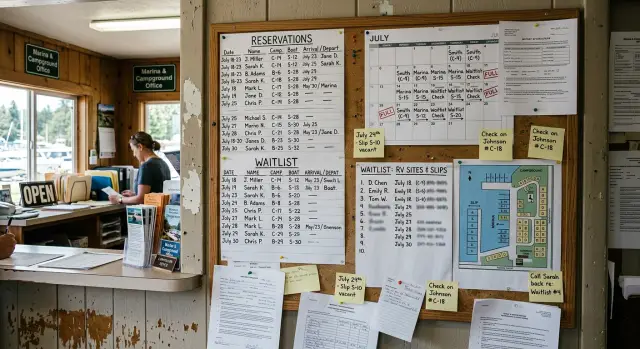
Why waitlists can reveal more than people expect
A public waitlist can look harmless. It may show only a name, a boat slip request, a campsite type, or a season date. Even that small bit of information can tell a stranger when you are likely away from home.
If someone sees that you are waiting for a week in July at a campground, or a marina berth that opens every spring, they can make a solid guess about your travel window. They do not need your full itinerary. A rough date is often enough to time a scam call, a fake booking message, or a break-in.
Seasonal reservations make this easier because people repeat them. Many families camp on the same holiday weekends every year. Boat owners often return at the start of the season, then again on long weekends or for closing dates in the fall. That pattern is more useful than one random booking because it helps someone predict your routine before you post a single vacation photo.
Ownership details add even more context. A marina waitlist may hint that you own a boat. A campground record may suggest you have an RV, trailer, or a second vehicle stored off-site. If that gets matched with data broker records, a stranger may also find your home address, relatives, phone number, and age range. The waitlist stops being just a date on a page. It becomes part of a larger profile.
That does not mean every public listing leads to crime. Most do not. The more common risk is simpler: a little information makes it easier for the wrong person to sound believable. A caller who knows your marina, your likely travel month, and your last name can sound real very quickly.
That is why campground and marina waitlists deserve more caution than they usually get. They do not expose everything on their own. They expose enough for someone else to fill in the blanks.
What someone can learn from a public listing
A public waitlist does not need a full profile to be useful to the wrong person. A name, a month, and one or two ownership details can turn campground and marina waitlists into a rough travel calendar.
Most people see a queue number or reservation note. Someone snooping sees timing, property, and a likely window when a home, boat, or vehicle is unattended.
Small details build a clear picture
An arrival month or reservation window is often the first clue. Even if the listing only says "June" or "late July," that still tells someone when you may be packing, driving, or already away.
Equipment details add more context. A public note about a 28-foot RV, fishing boat, trailer, or slip type says what you own and sometimes how much it may be worth. That matters because theft is often opportunistic. People look for items that can be moved, resold, or stripped for parts.
A listing may also include the owner name, home city, phone number, or email. One detail alone may seem harmless. Put together, they make matching easier across social media, broker sites, tax rolls, or old forum posts.
Storage details sharpen the picture. If a marina section, dock number, yard row, or storage lot is visible, a stranger may know where the asset sits before your trip starts. They do not need perfect information. They just need enough to narrow the search.
Past seasons can reveal even more. If renewals or old entries stay visible, someone can spot habits such as "always books Memorial Day week" or "returns to the same slip every spring." Predictable patterns help scammers time fake invoices, fake cancellation notices, or messages that sound close enough to real office communication.
A simple listing can quietly reveal when you are likely away, what type of boat or RV you own, where that property may be stored, and how to contact you in a way that makes a scam look real. If a page says "June arrival, 28-foot fifth wheel, owner from Tulsa, storage row C," that is already plenty for a stranger to start connecting dots.
How timing makes theft and scams easier
A date can be more useful to a criminal than a phone number. If a public listing shows when you expect a campsite, slip, or seasonal storage spot, it points to a window when you may be away from home, moving equipment, or too distracted to double-check messages.
For burglars, that timing matters. Many people follow the same pattern every year: first long weekend in spring, two weeks in summer, one last trip before school starts. When the same name shows up on campground and marina waitlists around those dates, it becomes easier to guess when a house may sit empty.
The guess does not have to be perfect. A town name, an RV model, a boat name, or a note about preferred dates can be enough to make an educated guess. If your home address is already easy to find elsewhere, that guess gets much stronger.
Boat and RV thieves look for different windows. They watch for pickup days, launch dates, haul-out periods, and storage moves. If a listing suggests that you will collect your camper next Friday or move your boat to a marina in early May, that creates a short period when the vehicle may be in transit, sitting in a yard, or parked somewhere unfamiliar.
Scammers like timing for the same reason. A fake text sent the night before a trip feels more believable than one sent at random. "Your reservation is about to be canceled" or "Your marina balance needs to be paid today" works because the message matches something real in your calendar.
One small example shows how this can snowball. Say someone sees your name on a public marina waitlist every April, then notices you usually post photos from the first weekend on the water. Next year, they can send a fake payment request on Thursday, or watch your driveway on Friday afternoon when the truck and trailer leave.
One date might be noise. The same month, the same holiday, and the same booking pattern year after year start to look like a schedule. That is the real privacy problem. The risk is not just that a stranger knows where you want to go. It is that they know when to act.
A simple example of how the dots get connected
Picture a family that joins a summer marina waitlist in May. The public listing shows a name, a home town, and the type of boat they want to dock, such as a 24-foot fishing boat from Dayton, Ohio. That can look harmless, but it gives a stranger two useful clues at once: what the family owns and where they likely live.
A scammer does not need much more. With the family name and town, they can search social media or people-search sites and often find a phone number, a street address, and photos of the boat or trailer. Now they have a rough schedule, a likely home location, and a sense of what might be sitting in the driveway or garage.
A few days before the trip, the phone rings. The caller says there is a problem with the marina reservation and a deposit must be paid today to keep the slip. Because they mention the right boat type and the right marina, the story sounds real enough to rush someone into paying.
Even if the family avoids the scam, the timing still matters. If the waitlist suggests they plan to travel that weekend, a thief can guess the house may be empty for a night or two. Boats, trailers, tools, fishing gear, and mail left outside all become easier targets when someone expects the owners to be away.
This is the real issue with campground and marina waitlists. They do not just expose interest in a trip. They can connect identity, travel patterns, and property in one small public trail.
How to reduce your exposure
You do not need to avoid every reservation system. You do need to stop giving away more than the form actually needs.
Start with the parts you control. Use the minimum detail the form requires. If a full address or phone number is optional, leave it blank. For any public display, a first name and last initial is often enough. Keep exact travel dates out of public notes too. "Need a site in July" gives away less than "Arriving July 12, staying two weeks."
It also helps to ask how your information will appear. Some operators can hide your name from public view, show only initials, or use a customer number instead. If you have the option, use a separate email for reservations. If scam messages start landing there, you have a pretty good clue about where the exposure happened.
Comment boxes are another easy place to overshare. People often add the boat name, RV model, slip preference, or a note about being on the road for a month. That feels harmless, but it makes matching easier. A scammer does not need your whole story. A few details are enough.
A simple rule works well here: if the information helps the office manage your request, share it privately. If it only helps strangers understand your plans, leave it out.
Before each new season, check old listings, forum posts, and archived reservation pages for your details. Last year's post can still tell someone when you usually leave town.
What to ask before you sign up
A waitlist sounds harmless until you ask who can read it and how long it stays online.
Before you add your name, ask plain questions and look for plain answers. Is the list public, member-only, or visible to anyone who visits the site? When the season ends, are old entries deleted, hidden, or left online for months? Can your boat, trailer, or RV details be shortened so the listing does not show the exact model, length, or slip setup? What contact details appear on the roster, and what stays private in the office system? Can you join without public display, or opt out later if you change your mind?
Those answers matter more than most people think. A public list that shows your full name, equipment details, and target dates can tell a stranger far more than the operator intended.
Mistakes that make the trail easier to follow
The biggest privacy mistakes are usually small and routine. A public waitlist entry may look harmless on its own, but it gets much more revealing when it matches your social posts, old forum comments, and contact details used elsewhere.
One common mistake is posting countdowns, departure dates, or messages like "finally heading out next Friday." That tells strangers when your home, truck, storage lot, or slip may be unattended. If your name also appears on campground and marina waitlists, the timing becomes much easier to trust and use.
Another easy mistake is reusing the same phone number and email address everywhere. If the contact on a waitlist matches the one on marketplace listings, club directories, classified ads, and social profiles, someone can connect those records quickly. They do not need much skill. They just need the same identifier to keep showing up.
Old forum posts create problems too. People forget about comments where they mentioned their usual season, route, or home marina. Small local lists can spread far beyond the local community once screenshots, reposts, search indexing, and cached copies get involved.
People also tend to underestimate how much ownership details matter. A boat name, trailer type, vessel length, or a note about needing a specific hookup can help confirm that a listing belongs to you. That makes scam messages more believable. A fake marina call about a canceled slip or a fake campground text about a waitlist opening feels real when it includes details only an "insider" should know.
The blunt truth is simple: local does not mean private.
A quick privacy check before each season
A lot of people do this too late. They book a slip or campsite, post one update, and forget that old waitlist pages, forum posts, and cached directory entries can stay online for months.
A short search before the season starts can catch the obvious problems. Ten minutes now is better than finding out later that a stranger knew when your boat, RV, or home would be empty.
Search your full name with your boat type, boat name, RV model, or trailer type. Search your name with your home city and words like "reservation," "waitlist," "marina," or "campground." Look for old season dates that are still public, especially last year's arrival or departure windows. Pay close attention to pages that show both what you own and when you will be away. Then repeat the same search a few weeks before peak travel months, not just once a year.
What matters most is the combination. A public note that says "32-foot fifth wheel, Denver" may seem harmless on its own. Add a visible August reservation window, and someone can make a pretty good guess about when the driveway will be empty.
Old pages are often the worst ones. A waitlist entry from last summer may still show your city, rig type, and dates. Even if your plans changed, a scammer can still use that old detail in a fake cancellation call or payment message because it sounds real enough.
When you find something exposed, remove the pages that tie property and timing together first. If you can only fix one thing today, fix that. A listing that names your boat but has no date is less useful. A date with no name is less useful too. The pair is the problem.
What to do if your details are already out there
If your name, boat details, campsite request, phone number, or travel dates have already been posted, act quickly. Old listings are often more useful to scammers than fresh ones because they show habits, not just one trip.
Start with the source. Ask the campground, marina, or reservation group to delete old waitlist posts, remove archived copies they control, or shorten what stays visible. If they will not remove the post, ask them to strip out details like your last name, slip number, rig type, phone number, and exact travel window.
Then clean up the contact details that were exposed. A new email address for bookings can cut down on scam messages fast. If your phone number is getting spam tied to travel dates, a second number for reservations is often worth the hassle.
It also helps to keep records. Save screenshots of every public listing you find. Ask for deletion or edits in writing. Watch for texts or emails that mention your route, dates, or vessel. And check whether the same details appear on people-search sites.
Be extra careful in the weeks before departure. That is when fake payment requests, fake cancellation notices, and fake dock or campsite messages tend to land. If a message creates urgency, do not reply from the same thread. Call the marina or campground using the number you already trust.
If broker sites also list your address, phone number, age range, relatives, or property details, the risk gets worse because those records fill in the missing pieces. In cases like that, data removal services can help shrink the trail. Remove.dev, for example, removes private information from over 500 data brokers and keeps checking for relistings, which makes a public waitlist entry less useful to the wrong person.
Make this part of seasonal prep. Before each camping or boating season, search your name, old booking email, and phone number. A few minutes of checking can stop a scam before it starts.
FAQ
Why is a public waitlist a privacy risk?
Because it can reveal when you are likely away from home. Even a name, a month, and a boat or RV detail can help someone guess your routine and time a scam or theft.
What can someone learn from just my name and travel month?
More than most people think. A rough travel window, the type of boat or RV you own, your home city, and sometimes your contact details can all be pulled from one entry.
When that gets matched with social posts or data broker records, the picture gets much clearer.
Are old waitlist posts worse than current ones?
Yes. Old posts often show habits, not just one trip. If the same holiday, month, or season keeps showing up, it starts to look like a schedule.
That makes fake payment texts, fake cancellation notices, and break-in timing easier.
Can scammers really use campground or marina details against me?
They can. A scammer who knows your marina, trip month, and boat type can sound believable very fast.
A message like "your slip is about to be canceled" feels real when it matches something already on your calendar.
What should I avoid putting in a public comment box?
Leave out anything that makes matching easier. That usually means exact travel dates, full address, phone number, boat name, RV model, slip preference, storage location, and notes about being away for days or weeks.
If the office needs those details, send them privately instead of putting them in a public note.
How can I join a waitlist with less exposure?
Use the minimum detail the form requires. If public display is optional, choose initials, a customer number, or a first name with last initial.
It also helps to use a separate email for reservations and ask whether your entry can be hidden later.
What should I ask before signing up for a waitlist?
Ask who can see the list, what details appear publicly, and how long old entries stay online. You should also ask whether archived pages get deleted and whether equipment details can be shortened.
If the answers are vague, assume more is public than you want.
What should I do if my waitlist details are already public?
Start with the source and ask for deletion or redaction. If they will not remove it, ask them to strip out your last name, exact dates, contact details, and equipment information.
Then save screenshots, watch for scam messages, and be extra careful before departure. If a payment or cancellation message feels urgent, contact the operator using a number you already trust.
How do data broker sites make this problem worse?
They fill in the blanks. A waitlist may show timing and ownership, while broker sites may show your home address, phone number, relatives, and age range.
That is why removing broker data matters. A service like Remove.dev can remove your info from hundreds of broker sites and keep checking for relistings.
How often should I search for exposed travel details online?
Check before each season and again a few weeks before busy travel months. Search your name with your city, boat type, RV model, phone number, old booking email, and words like marina, campground, reservation, or waitlist.
If you find a page that shows both what you own and when you may be away, fix that first.