Car accident fraud: where your phone and address get exposed
Car accident fraud often starts when claim details, repair quotes, or public records expose your phone number or home address without you noticing.
Why a crash can expose more than the damage
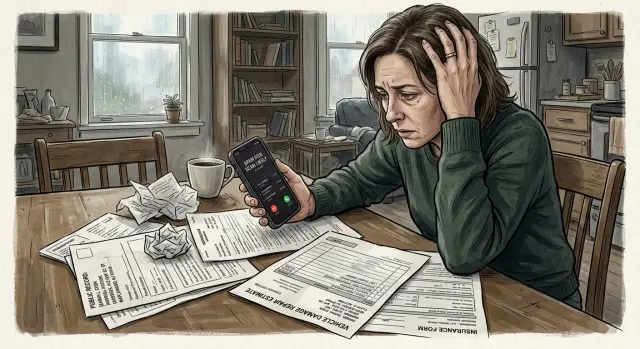
A car accident rarely stays between you, the other driver, and your insurer. Once a claim starts, your phone number, home address, vehicle details, and crash date can move through several companies. That is one reason car accident fraud often begins long before a fake caller asks for money.
One crash creates a trail of records. Your insurer collects your details first, but the same basics often reach a claims processor, adjuster, repair shop, towing company, rental desk, or billing service. Each business may need only part of the file, yet many of them end up with the same core details: your name, phone number, address, car, and claim number.
That claim number matters. On its own, a crash date or phone number may not seem risky. Put them together with your insurer's name or your vehicle model, and a scam call can sound real enough to catch you off guard.
The hard part is that most people never see where the file goes after the first call. Information gets copied into forms, emails, invoices, photo apps, and text updates. By the time the car is in the shop, your details may already sit in several systems.
Imagine a rear-end crash reported on Monday. By Tuesday, your information could be in the insurer's database, a tow receipt, a repair estimate, a rental request, and a text update service. If just one weak spot exposes your number, someone can call and pretend to help with the claim.
That is why post-crash fraud feels so personal. The caller may not have your full file. They just need enough true details to sound believable.
Where your information spreads after a claim
A claim rarely stays in one place. Once you report a crash, your name, phone number, address, policy details, and vehicle information can move through several businesses in a few days. If you're thinking about insurance claim vendor privacy, this is where the problem starts.
Insurers often use outside teams to review documents, check damage, answer calls after hours, or process payments. Some work inside the insurer's network. Others are vendors using their own systems. Either way, your file may be opened, uploaded, and resent more than once. Every handoff is another place where your information can sit long after the claim feels finished.
Photo tools add another layer. If you upload damage photos through an app, the image set may be stored with your contact details and claim number. In some cases, the photos also reveal location data, license plates, or paperwork in the background. A simple bumper photo can end up tied to far more than the damage itself.
The same thing happens with everyday service paperwork. Rental car forms, towing receipts, storage records, repair estimates, billing files, and reimbursement records often repeat the same contact details. None of this feels unusual when you're just trying to get back on the road. Still, it creates a long trail.
That trail matters because most fraud after a crash does not start with a dramatic data breach. It often starts with ordinary contact data copied too many times. A week later, that can turn into spam calls, fake follow-ups, or someone pretending to help with your claim.
How repair quotes and towing papers expose details
A repair estimate looks harmless, but it can reveal a lot. Many estimate sheets include your full name, mobile number, email address, vehicle details, and sometimes the claim number. That is enough information for a stranger to make a follow-up call that sounds real.
The risk grows when shops use outside text or email systems. You might receive the quote by text, approve the work by email, and get status updates from another service. Repair quote data sharing like this is common, but each extra handoff creates another place where your details can be stored, forwarded, or viewed by staff who only need part of the file.
Towing paperwork can expose even more. A tow receipt may show where the car was picked up, where it was dropped off, the time of the tow, and the name of the person who approved it. If the pickup point is your home, or the drop-off location is a body shop near your house, that paper can say a lot about your routine.
Old-fashioned paper is still a weak spot. A printed estimate in the glove box, a tow form on a front desk, or a receipt left on the passenger seat can be read or photographed in seconds. No hacking required.
A common version goes like this: after a crash, a driver leaves the car at a shop and gets a texted estimate. Two days later, someone calls about storage fees. The caller knows the shop name, the tow date, and the driver's phone number. That is often enough to sound convincing.
A few small habits help. Ask what personal details will appear on the estimate or receipt. Request digital copies when you can. Do not leave printed forms in the car, and check which service is sending your texts and emails.
What public records can reveal
A crash does not always stay private just because it happened on a public road. In many places, parts of the record can be requested by insurers, lawyers, marketers, lead buyers, and other third parties, depending on local rules.
Police reports are often the biggest source. A report may include your name, address, phone number, crash location, date and time, and details about the vehicles involved. Even if one field is hidden, the rest may be enough to identify you.
Court records can add more. If the crash leads to a lawsuit, hearing, or filing, the public record may show dates, case numbers, names, and other details that make matching easier. For someone targeting recent crash victims, that can be enough to build a usable profile.
The rules vary by state, county, and city. One area may limit access to full accident reports. Another may release them with light redactions. Some courts put records online. Others require an in-person request. The simple rule is this: if a record can be requested, bought, or copied, it can spread.
Once it spreads, data brokers can connect the dots fast. They may combine a fresh crash record with older people-search listings, marketing databases, property records, or past phone data. That is how public records address exposure turns one recent accident into a full contact profile.
If old broker listings already expose your phone number or past addresses, cleaning those up helps because brokers often use older records to fill in the gaps.
A common example
Picture a simple rear-end crash at a stoplight. The driver is shaken, but the damage looks minor. At the scene, she speaks with her insurer, gives details to the tow truck driver, and later calls a body shop for an estimate.
That same day, her name, phone number, car model, and accident date land in several places. Some of it sits with the insurer or a claim vendor. Some appears on towing papers. Some goes into estimate software used by shops and parts networks.
Two days later, the calls start.
One caller says there is a problem with a medical bill tied to the crash. Another offers a lawyer before the insurance company cuts the payout. A third claims to help with a rental car and asks her to confirm her home address so they can send a form.
What makes this believable is not that the caller knows everything. It is that they know enough. They mention the day of the accident. They name her car model correctly. They may even know which shop received the quote or where the car was towed.
That is how car accident fraud often works. The story is built from small pieces of true information gathered from different places. One piece may come from shared claim data. Another may come from a repair estimate or tow record. If the driver's phone number or address was already public on people-search sites, a scammer can stitch it together quickly and sound official.
People often assume one company leaked the whole file. Usually it is messier than that. A few scraps from a claim, a towing record, and public data can be enough to fake trust.
If you get a call like this, keep it simple: do not confirm anything on the incoming call. Hang up and contact the insurer, tow company, or shop using a number you already trust.
What to do in the first 48 hours
The first two days after a crash matter more than most people think. To protect personal data after a crash, start by slowing the flow of information.
When you speak with an insurer, repair shop, tow company, rental desk, or medical office, ask what contact details they actually need. In many cases, email is enough for updates, documents, and scheduling. If a phone call is not required, do not offer your mobile number by default. Ask the same about your home address if nothing needs to be mailed.
It also helps to collect your own paper trail early. Ask for a copy of every record tied to the crash, including the claim entry, tow receipt, intake form, and repair estimate. Small errors travel fast, and you want to know exactly what phone number, address, and other details are attached to your case.
Keep those records in one folder. Save texts from insurers, shops, and unknown numbers about the crash. Keep emails with estimates and appointments. Save voicemails, especially ones that push you to call back quickly. Take photos of forms you signed at the scene, tow yard, or shop. When a suspicious call comes in, you can compare it against what is already in your file.
If sensitive information may have spread, think about your credit right away. A fraud alert is a good first step when you're unsure. A credit freeze is stronger if your driver's license number, policy details, or home address may now be circulating more widely.
Common mistakes after the crash
The easy mistake is thinking the risk ends when the tow truck leaves. Often, that is when it starts.
One common slip is posting crash photos too quickly. A photo of a damaged bumper may also show your plate, a street sign near your home, or paperwork on the seat. Small clues make it easier to connect the accident to your name, phone number, or address. Keep those pictures private, and crop anything you do not need before sending them.
Another mistake is replying to unknown callers just because they mention the crash. A caller may claim to be from a body shop, medical office, or claims team and ask you to confirm your address, number, or policy details. That can feed fraud fast. If you were not expecting the call, end it and contact the company through the number on your paperwork.
Texts can be just as risky. After a crash, you may be waiting for a tow update, rental details, or a repair quote. That makes fake messages look normal. A text that says view your quote update or confirm pickup time can get a quick tap when you're stressed. Slow down and check the sender first.
The number you give out matters too. If every form gets your main phone number, that number can spread through several systems. When another option works, use a secondary number for one-time service contacts. It will not stop every leak, but it can cut down the random calls later.
A quick privacy check after a crash
A short privacy check is worth doing before the calls, texts, and junk mail pile up.
Search your full name, address, and phone number in a few different combinations. Put each search term in quotes and add your city or state when needed. You are looking for people-search pages, old contact listings, cached documents, and anything else that makes you easy to match to a recent crash.
If you find a broker page, do not stop at your current address. Check old addresses, past phone numbers, and relatives listed next to your name. Those details make scam calls more believable.
Then review the messages and paperwork you received after the crash. Look through texts, emails, voicemails, estimates, and tow forms. Pay attention to what each one includes: full name, claim number, plate number, address, phone number, email, and the location where the car was taken.
A simple check looks like this:
- Search your name with your address and phone number.
- Note any broker sites that show old details or relatives.
- Review claim, towing, and repair records for exposed data.
- Check how easy it is to request a police report where you live.
- Make a list of every business or office that now has your details.
The police report deserves a closer look. In some places, anyone with basic crash details can get a copy. In others, access is narrower. Call the local records office or review the rules for your area so you know what a stranger would need to request your report.
Next steps if your data is already out there
If your phone number or home address is already public after a crash, move quickly. Fraud gets much easier once a broker listing, repair record, or public filing ties your name to a recent accident.
Start by finding where your details appear. Search your full name, current address, old addresses, and phone number. Check people-search sites and data brokers first, because those listings are often copied elsewhere.
Then work through a simple cleanup plan. Send opt-out requests to sites that list your address, phone number, age, or relatives. Take screenshots before and after each request so you have a record if the listing comes back. Recheck those sites every few weeks, because relistings are common. Tell everyone in your household to ignore callers who mention the accident, a payout, a tow bill, or a lawyer nobody hired. And if a caller sounds urgent, hang up and call the insurer, repair shop, or provider using a number you already trust.
Keep a small log while you do this. Note the site name, the request date, and whether the listing disappeared. It saves time later and helps you spot repeat offenders.
If you do not want to manage dozens of opt-outs yourself, Remove.dev can take over that work. It removes personal data from over 500 data brokers, keeps watching for relistings, and gives you a simple way to track requests while you deal with the crash itself.
The goal is not to erase every trace overnight. It is to make your data harder to find, harder to reuse, and far less useful to anyone trying to turn your accident into a scam.
FAQ
How can a small car accident turn into scam calls?
Because a crash creates a trail of records. Your name, phone number, address, car details, and claim number can move from the insurer to shops, tow companies, rental desks, billing services, and messaging tools. A scammer does not need your full file; a few true details can make a fake call sound real.
Who gets my information after I file an insurance claim?
Usually more companies than people expect. Your insurer may share parts of the file with adjusters, claims processors, repair shops, towing services, rental providers, photo apps, and payment vendors. Each handoff is another place where your contact details can sit or be copied.
Can a repair estimate expose my phone number or claim details?
Yes. Many estimates include your full name, mobile number, email, vehicle details, and sometimes the claim number. If that estimate is sent through text or email software, your data may pass through another system too.
Are towing papers a real privacy risk?
It can. A tow receipt may show the pickup spot, drop-off location, tow time, shop name, and the person who approved it. If that paper is left in the car or on a counter, someone can read or photograph it in seconds.
Can police reports or court records make my address public?
In many places, yes. Police reports and court records can include your name, address, phone number, crash date, and vehicle details, depending on local rules. Even if one field is hidden, the rest may still be enough to identify you.
What should I do in the first 48 hours after a crash to protect my data?
Keep the flow of data as small as you can. Ask each company what contact details they actually need, save copies of every form and message, and compare any later call against your own records. If sensitive details may have spread, a fraud alert or credit freeze is worth considering.
Should I reply to calls or texts that mention my accident?
No. If you were not expecting the call or text, do not confirm your address, phone number, policy details, or payment info. Hang up and call the insurer, shop, tow company, or provider using a number you already trust.
Is it risky to post crash photos online?
Yes, it can be. Crash photos often show more than damage, such as your plate, street signs, location clues, or paperwork inside the car. Keep them private when possible and crop out anything you do not need before sending them.
How do I check whether my phone number or address is already public?
Run a few searches using your full name, phone number, current address, and older addresses in different combinations. Then review your claim papers, tow receipts, estimates, texts, and emails to see exactly which details appear on each one.
What if my data is already showing on people-search sites after the crash?
Start removing the listings you find and keep a simple log with screenshots and dates. Recheck them every few weeks because they often return. If you do not want to handle dozens of opt-outs yourself, Remove.dev can remove your data from over 500 brokers and keep watching for relistings.