Data broker scam calls: how listings help impersonators
Data broker scam calls often start with a profile that exposes your name, phone, address, and relatives. Learn which details scammers use first.
Why these calls feel so convincing
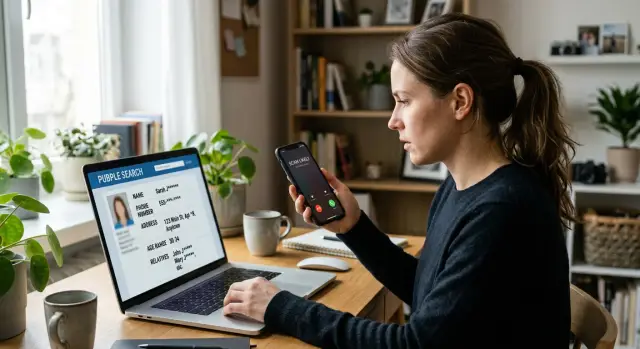
A data broker profile looks harmless at first. It is usually just a page with your name and a pile of facts pulled from public records, old accounts, marketing databases, and people-search sites. To a scam caller, though, that page is a script.
One listing can include your phone number, current city, past addresses, age range, relatives, email, and sometimes your job or property details. None of that feels especially secret on its own. Put together, it gives a stranger enough context to sound like someone who already knows you.
That is why these calls often feel more believable than a random robocall. The caller may say your last name correctly, mention a street you used to live on, or ask for someone else in your household. One accurate detail lowers your guard. Two or three can make the whole story feel real.
Scammers use those details to play a role. They might pretend to be from your bank, phone carrier, a delivery company, a debt collector, or a government office. If they know an old address and the last four digits of a phone number, they stop sounding like a guesser and start sounding like someone "checking your file."
That is the real trick. When a caller says, "I am calling about suspicious activity tied to your account. Are you still connected to Oak Street in Denver?" your brain starts filling in the gaps for them. Instead of asking, "Who is this really?" you start thinking, "How much do they know?"
Common profile fields matter because they build trust fast. An old address suggests history. A relative's name suggests access. A direct phone number makes the call feel targeted. Once the details match real life, the scam does not need to be perfect. It only needs to sound close enough for a minute or two.
How a broker profile becomes a scam call
Most scam calls start with something very ordinary: a public or semi-public listing from a data broker. The scammer finds a profile, copies a few details, adds anything else they can find from social media or an old breach, and starts calling.
They do not need a full identity file. In many cases, your name, phone number, and a current or past address are enough to carry the first 30 seconds of the conversation. If they say your street name, mention a city you lived in, or know the name tied to your number, many people pause. That pause matters. It makes the next lie easier to believe.
This is why the call feels personal. The scammer is not guessing in the dark. They are piecing together scraps from different places. A broker listing might show your age range and relatives. A social profile might show your employer or a recent move. An old leak might expose an email address or the last four digits of an account. On their own, those details seem small. Together, they create a convincing mask.
The first goal usually is not to steal everything at once. It is to get one small step from you. Maybe they want you to confirm a date of birth, say yes to an address, share a code, or stay on the line while they "transfer" the call. Once you answer one question, they have more to work with.
That is what makes broker profiles risky. They cut down the work a scammer has to do. Instead of building a fake story from scratch, the caller starts with real facts and wraps a lie around them.
Which details create the most risk
The most dangerous fields are the ones a stranger can use in the first 20 seconds of a call to sound familiar. Your phone number, home address, age range, relatives, email address, and work history all help.
A phone number is the obvious starting point. It lets scammers reach you directly, but it also ties your name to other records. If a caller can say your full name and the town you live in, the call feels less random right away.
Current and past addresses add another layer. Many banks, insurers, and utility companies use address history as a basic identity check. A caller who knows where you live now and where you lived a few years ago can fake that kind of verification and make a routine question sound official.
Age matters more than most people expect. Even an age range helps scammers shape the story. Someone in their 20s may hear a fake delivery, student loan, or job-related claim. Someone older may get a Medicare, pharmacy, or "fraud team" call. The details change, but the approach is the same.
Names of relatives are especially risky. If a caller says your sister's name, an ex-spouse's name, or even the name of a neighbor tied to your household records, they can build a family emergency story in seconds. Panic is powerful. People want to help first and verify later.
Email addresses raise the risk too. A scammer can mention the address you use for bills or work and make it sound like they are calling about an account you actually have. If that email is paired with an old username or a leaked password hint, the story gets even stronger.
Work history can make a caller sound official. If they know your employer, department, or old company, they can pretend to be from HR, payroll, IT, or benefits. That one small detail often gets people to answer questions they would normally ignore.
When one profile includes several of these fields, the call stops feeling cold. It feels personal, and that is the danger.
What impersonation looks like in real life
Your phone rings at 6:20 p.m. The caller ID shows your bank's name. A calm voice says there was a suspicious transfer on your debit card and they need to verify you before they can block it.
That already sounds serious. Then the caller adds two details that feel too specific to fake. They say you used to live on Oak Street, and they mention the last four digits of a phone number tied to your account: 4821. Both details could come from the public trail around your personal data, not from your bank.
Now your guard drops. The caller sounds informed, so the story feels real.
Next they make it more personal. "We also see your daughter Mia listed as an emergency contact. Has she used your card today?" A relative's name changes the mood fast. You stop looking for red flags and start thinking about protecting your family.
That is the point. The scammer uses public details to build trust, then adds urgency so you act before you think. A street name, an old number, and a relative's name can be enough.
A minute later, the real ask arrives. They tell you to read back the one-time code just sent to your phone so they can "freeze" the account. Or they say you need to move your money to a "safe" account overnight.
Some callers go further and ask for a wire transfer, gift cards, or a payment through a banking app. The script can change, but the goal stays the same.
A real bank does not need you to send money to yourself, buy gift cards, or share a login code from a text. Once the scammer gets that code or payment, they can approve a transfer, reset account access, or open something new in your name. The personal details were only bait. The code or money was the target.
The most common stories scammers use
Most scam calls do not begin with something dramatic. They start with a detail that sounds true: your bank name, your street, an old job, your sister's first name. That makes the caller sound informed before they ask for anything.
Fake bank fraud alerts are still one of the most common scripts. The caller says there was a suspicious charge and asks you to confirm a card number, billing ZIP code, or one-time passcode. If a broker profile already shows your phone number, home address, age range, and likely financial ties from marketing data, the story lands harder.
Delivery, utility, and government impersonation calls use address data the same way. A caller may claim a package cannot be delivered, your power service is about to be cut off, or there is a tax issue tied to your property. The moment they say your street name or mention a past address, many people stop questioning the call.
Family emergency stories can be even more convincing. A scammer uses a relative's name, an old neighbor's name, or details from past household records and says there was an accident, arrest, or hospital visit. That kind of panic can shut down common sense fast.
Work history opens another easy angle. A caller pretends to be from HR, payroll, or a past employer and says they need to confirm direct deposit details, tax forms, or equipment return information. If they already know where you worked two years ago, the call sounds routine instead of suspicious.
Most of these scams push for one of the same few actions: read back a code sent to your phone, confirm a date of birth or address, move money to a "safe" account, pay a fee right away, or share work login and payroll details.
The pattern is simple. A few real facts lower your guard, and then the caller asks for the one detail they do not have yet.
How to cut down your exposure
The fastest way to lower your risk is to look yourself up the way a scammer would. Search your full name, phone number, and home address in a private window. Try a few versions of your name if you use a middle initial, nickname, or old surname.
What you are looking for is repetition. If the same phone number, address, age range, relatives, or past addresses appear across several broker pages, that data is easy to copy and reuse in a scam call.
Keep a simple record as you go. A spreadsheet is fine, but a note on your phone works too. Write down which sites show which details and the date you found them. That saves time later when you check whether a profile is gone or has returned.
Start with the fields that help a caller sound believable right away: your phone number, current home address, names of relatives, age or birth data, and employer or job title. If you only have time to remove a few things, start there.
After that, work on the details that help fill in the gaps. Old addresses, alternate spellings, public social profiles tied to your real identity, and property records can all help someone build a script around you.
Then check again. Re-listing is common. A page that disappears this month can come back later when a broker pulls in new records. That is why one round of removals rarely solves the problem for good.
If doing all of this by hand turns into a chore, Remove.dev automates removals across more than 500 data brokers and keeps monitoring for relistings. That kind of ongoing cleanup matters because scam callers depend on fresh, repeated details.
Mistakes that make the problem worse
Most people do not ignore privacy on purpose. They fix the most obvious problem and assume the rest can wait. That is one reason these calls keep working.
A common mistake is cleaning up one well-known people-search site and stopping there. It feels productive, but scammers do not need a complete file from one source. Your name on one site, phone number on another, and an old address on a third can still be enough to fake trust.
Old details are not harmless either. People often think, "That address is from years ago, so who cares?" A past address still helps a caller sound real. It can be used to confirm your identity, guess where you banked, connect you to relatives, or pass simple verification with another company.
Another mistake is treating security questions like casual conversation. If an incoming caller asks you to confirm your street, birth month, age range, or the last four digits of anything, stop. Even if they already know part of the answer, they may just be filling in gaps.
One habit is especially risky: correcting the caller. If a scammer says, "You used to live on Pine Street, right?" and you reply, "No, Oak Street," you have just improved their file for free.
Waiting too long also makes cleanup harder. Once your phone number and personal details spread across broker sites, they get copied, resold, and reposted. Cleaning up after a scam is still worth doing, but it is much easier to cut down your exposure early.
A quick check when you get a suspicious call
A caller who knows your name, address, or age range can sound real fast. But those details are often public, old, or easy to buy. One correct fact is a warning sign, not proof.
Pause before you answer anything. A legitimate company can survive a short delay while you check who is calling.
Use a simple test:
- Ask whether the caller used public facts rather than secret ones.
- Notice whether they are rushing you, threatening a fee, or pushing for payment.
- End the call yourself and contact the company through a number you already trust.
- Treat any request for a one-time code, login detail, or money transfer as a hard stop.
A quick example makes this clearer. Say someone calls and claims to be your bank. They know your full name and an old street address. That sounds specific, but both details may have been sitting on broker sites for years. If they then ask you to confirm your card number, account login, or a code sent by text, the call has already failed the test.
Urgency is often the biggest tell. Many impersonation scams try to make you act before you think. They say your account will close in 10 minutes, a package is stuck, or a refund expires today. Real support teams may ask you to verify your identity, but they should not panic you first and explain later.
If you are unsure, hang up. Find the company number on a statement, the back of your card, or another source you chose yourself. Two extra minutes can save a lot of trouble.
What to do next
Make yourself harder to look up. For most people, that starts with the details scammers use first: your phone number, home address, and listings that name relatives. Those details give a caller enough to sound familiar even when they know nothing real about you.
Start with the biggest people-search and data broker sites you can find under your name. Remove the profiles that show your current number, street address, and family links. Relatives matter more than many people realize because they give scammers extra names to drop when they want to sound believable.
A practical order helps. Search your full name with your city, phone number, and home address. Remove the profiles with the most complete contact details first. Then check pages that list relatives or past addresses. Keep a note of each request and the date you sent it. After that, come back and check again, because profiles often return.
That last step is the one people skip. A page can disappear and then come back when a broker gets a fresh batch of records. If your number is removed but your address and your sister's name stay public, a scammer can still call and pretend they are confirming a delivery for your household. If all three disappear, that script gets much weaker.
You do not need to erase everything in one day. Start with the records that let strangers reach you directly or sound like they know your family. Then keep checking until those details stay gone.