Data removal for elderly parents to lower scam risk
Data removal for elderly parents can lower scam calls, expose fewer household records, and help families reduce easy signals used by fraudsters.
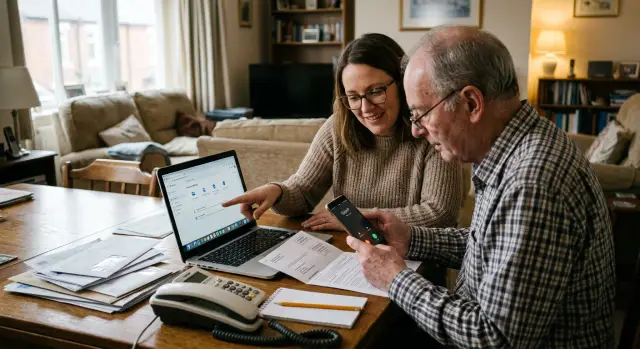
Why seniors get targeted more often
Older adults often get targeted because scammers can verify personal details faster than most families realize. A caller does not need a full identity file to sound convincing. A current address, an old address, a landline number, and the names of adult children can be enough to make a fake story feel real.
People-search sites and public records often reveal age clues without saying a person is older outright. A long address history, property records, likely relatives, and the year someone first showed up in records can all hint at age and routine. That gives a scammer material for fake calls about Medicare, banking, deliveries, utilities, or a grandchild in trouble.
A visible phone number is often the easiest opening. Once someone can call or text directly, they can test different stories until one works. Many older adults still answer unknown calls, especially if they are waiting for a doctor, pharmacy, utility company, or family member. One call can turn into many because scam lists get shared.
The bigger issue is how quickly scattered details can be combined. One site shows a phone number. Another shows relatives. Another shows a past address. In a few minutes, a stranger can build a script that sounds familiar enough to lower someone's guard.
Which details create the most risk
The most risky details are usually the ordinary ones: a full name, rough age, old addresses, phone numbers, relatives, and property records. None of them seem dramatic alone. Together, they make a scam call sound believable.
The goal of data removal is not perfect secrecy. It is to make scammers work harder and give them less to use.
A full name paired with an age range is often enough to pull up past addresses and people-search listings. Once that happens, a caller can say, "I see you used to live on Oak Street," and the lie starts to feel true.
Phone numbers are worse because they turn public records into direct access. A mobile number invites text scams, fake bank alerts, and account reset attempts. A landline often leads to repeated robocalls, fake Medicare calls, and pressure tactics that wear people down over time.
Relatives matter more than most people expect. If a scammer can see a daughter's name, a grandson's age, or who shares the address, they can build a family story fast. That is how "your grandson needs bail money" scams sound specific instead of random.
Property records create a different problem. A home address, move date, and estimated home value can suggest whether someone owns their home, lives alone, or may have savings. For seniors, that can invite fake contractor pitches, reverse mortgage scams, or callers pretending to be from a county office.
Email addresses tied to daily accounts are another weak spot. One exposed address can lead to fake pharmacy notices, password reset emails, or messages that mimic a bank or utility bill. If the same email is used everywhere, one leak opens several doors.
If you need a simple order, start here:
- phone numbers
- current and past addresses
- names of relatives
- property details
- older email addresses still tied to active accounts
Quick checks before you start
Before sending removal requests, spend 15 minutes mapping what is already exposed. That small step saves time later and helps you focus on the listings scammers are most likely to use.
Start with two searches: your parent's full name plus city and state, and the phone number in quotes. Those often surface people-search pages, old directory entries, and copied profiles on smaller sites.
As you go through results, look for details that would make a scam call sound convincing. Current and past addresses, age, and relatives are the big ones. If a caller can mention an old street or a daughter's name, the conversation feels real very quickly.
Use a simple note system. A spreadsheet or notes app is enough if it tracks:
- the site name
- what details are exposed
- when you found the listing
- when you sent the removal request
Take screenshots before you submit anything. Pages change. Some listings disappear from search results but stay live on the site itself. A screenshot gives you a record if you need to follow up later.
Be careful with common names. If your parent is named Mary Johnson, add the city, state, and maybe a middle initial. Try nicknames, older phone numbers, and previous cities too. Older records often hide under small variations.
A quick example helps. If a search finds a page showing your parent's current address, age 78, and two relatives, save the screenshot and log it before moving on. That habit keeps the work clean and makes progress much easier to track.
How to remove the data step by step
Treat this as a paper trail, not a one-time task. A spreadsheet or notebook usually works better than memory.
First, search for your parent's full name, city, past addresses, and phone number. Open each people-search site or broker page that looks like a match. Write down the site name and the exact page showing the details. If the listing includes relatives or household members, note that too. Those details often lead to more listings elsewhere.
A simple order works well:
- Build one master list of every page that shows your parent's information.
- Create a separate email account just for opt-out requests and replies.
- Submit each request with only the details needed to confirm the listing.
- Record the date sent, any case number, and whether the page changed.
- Check the same pages again after 7 to 14 days.
That separate inbox matters. It keeps requests out of your parent's everyday email and makes follow-up much easier, especially if more than one family member is helping.
Be careful with identity checks. Many sites ask for more than they need. If a broker can verify a listing with a name, address, or phone number, do not send extra documents. If they require an ID, cover anything they do not need, such as the ID number or photo, if their rules allow it.
Tracking is the part people skip, and it is usually why the job drags on. A short note like "pending," "gone," or "needs follow-up" is enough. What matters is knowing what you sent, when you sent it, and whether the page actually disappeared.
Then check again. Some sites remove public pages quickly. Others take longer or quietly relist the same record later.
If you do not want to manage dozens of sites by hand, Remove.dev can handle much of that work across more than 500 data brokers, send removal requests, and keep watching for relistings. That is useful when the same details keep showing up in new places.
Reduce phone exposure first
The phone is still the easiest way to reach an older parent with a scam. Once a number appears on people-search sites, directory pages, or broker lists, unwanted calls usually rise fast. If you are prioritizing the cleanup, start with the phone number before smaller details.
Search for every number tied to your parent, not just the one they use now. Families often miss an old landline, but that number may still be online years later. Even if nobody answers it often, it can still connect a name to a home address and household members.
Remove those listings first. A scam call gets more convincing when the caller already knows a last name, town, or part of an address. A line like "I just need to verify your address before we send this" can catch someone off guard if the caller already has an old landline and street name.
Then work on phone habits. Ask your parent not to confirm details on live calls, even small ones. "Yes, this is Mary," a ZIP code, or a birth month may seem harmless, but scammers collect small bits and use them later.
A few phone settings help right away. Add close family, doctors, neighbors, and caregivers to contacts so familiar names appear clearly on the screen. Unknown calls become easier to spot and easier to ignore.
A short script by the phone helps too:
- "I do not confirm personal details on the phone."
- "Please send that by mail."
- "I will call back using the number on my bill or card."
- "I am ending this call now."
If your parent uses both a mobile phone and a landline, put the script near both. A printed note by the phone is often more useful than advice they heard once a month ago.
Household records that help scammers
A lot of scam risk starts with ordinary household records. These records matter because they help strangers build a believable story fast. A caller does not need a full identity file. Sometimes a home address, a landline, and one family connection are enough.
Property databases are a common problem. They can show a parent's address, when the home was bought, and sometimes the names tied to the property. That gives scammers material for fake tax calls, fake utility warnings, or repair scams aimed at a specific house.
Obituary pages can expose more than people expect. They often list relatives, past family names, and the towns where everyone lives. If a scammer knows a mother's maiden name or the names of adult children, the call feels personal.
Old directory pages are another weak spot. A household phone number from years ago may still be online, even if the family stopped using it for most things. Seniors often still answer unknown calls on a home line, which makes these listings riskier than they look.
Some pages seem harmless but still reveal a lot:
- donation or fundraiser lists with a full name and street address
- school, church, or event pages that name household members together
- neighborhood directories copied to people-search sites
- for-sale posts that suggest a move, estate cleanout, or empty home
Timing matters too. A post about selling furniture, listing a house, or moving to assisted living can tell scammers when someone may be stressed, distracted, or easier to pressure.
A good cleanup starts with searches that combine your parent's name with the home address, household phone number, names of close relatives, and old towns or past addresses. When you find these records, remove what you can at the source and then check whether broker sites copied them.
A simple real-world example
A common case looks like this: a daughter starts worrying because her mother keeps answering scam calls. The callers know her first name, mention an old street, and speak as if they already know the family.
The daughter does a basic search for her mother's name and quickly finds three people-search sites showing a mobile number, a past address, an age range, and the names of close relatives. None of that seems serious on its own. Together, it gives a scammer a script.
A stranger can now say, "I am trying to reach your daughter about the house on Maple Street," or, "We need to confirm a delivery for your old address." The details sound ordinary. That is exactly why they work.
Older adults are often polite on the phone and may stay on the line longer than they should. If the caller already knows a phone number and can name a relative, the call feels less random and more urgent. That is often enough to get someone to confirm more information or trust the next call.
After the daughter sends removal requests and follows up on copied listings, the public profile gets thinner. The mobile number disappears from major listings. The old address shows up less often. Relative names stop appearing together in one quick search.
The calls may not stop overnight, but they lose force. Fewer callers sound informed. Fewer messages mention family or past addresses. When a scammer has to guess instead of reading from a profile, the pitch gets much easier to spot.
Mistakes that waste time
The slowest part of this work is often not the opt-out form. It is fixing avoidable mistakes later.
One common mistake is sending an ID when the site does not ask for it. People want to prove the request is real, but if a broker accepts a name, address, phone number, or listing URL, extra documents only share more personal data.
Another mistake is using your parent's main email for every request. That inbox may already get bank alerts, family messages, and medical updates. Mixing removal requests into it makes follow-up harder and can expose the address to more companies. A separate email account keeps things much cleaner.
Where people usually miss records
Many families search only the current name and address. That misses a lot. Older records may use a maiden name, a shortened first name, an old apartment number, or a house sold 15 years ago. If your father once used "Bob" instead of "Robert," or your mother still appears under her maiden name, those records can stay live even after newer ones are removed.
Another false assumption is that one opt-out removes every copy. It rarely does. The same phone number can appear in several listings, and one broker may have multiple profiles for the same person. Household records make this worse because they connect spouses, adult children, and past addresses in one place.
The last mistake is stopping after the first round. Data comes back. Sites refresh from new sources, merge records, or repost old entries. That is why repeat checks matter.
What to do next
A simple routine works better than a one-day cleanup. Old records can return, and scammers often reuse the same details for months.
Set one monthly reminder. Search your parent's full name, current phone number, old phone numbers, and home address. If a listing appears again, log the site, the date, and whether you sent a new removal request.
Keep everything in one place. A plain notebook or spreadsheet is enough. Put removals, relistings, scam calls, scam texts, and suspicious mail in the same log. Over time, you may spot a pattern, such as scam calls picking up after a phone number appears on a people-search site again.
Family habits matter too. Everyone close to your parent should know which details never belong in a phone call, even if the caller sounds polite or already knows part of the story:
- do not confirm full birth dates, middle names, or past addresses
- do not share Medicare numbers, bank details, or insurance numbers
- do not read out one-time codes sent by text or email
- do not tell callers who lives in the home or when someone is away
If a call feels rushed or oddly personal, hang up and call the real company back using the number on a bill or card. That short pause prevents a lot of damage.
If you want less manual work, Remove.dev is one option for ongoing cleanup. It finds listings across more than 500 data brokers, sends removal requests, and monitors for relistings, so you do not have to start from scratch each time. You can also track requests in real time through the dashboard, which helps when you are managing a parent's privacy along with everyday care.
This week, do three things: set the monthly reminder, make the family rule sheet, and start the log. Those habits make it much harder for scammers to use exposed phone numbers and household records against your parent.