Data removal for gig workers without losing customer trust
Data removal for gig workers helps protect your home address while keeping marketplace profiles credible, clear, and safe for new customers.
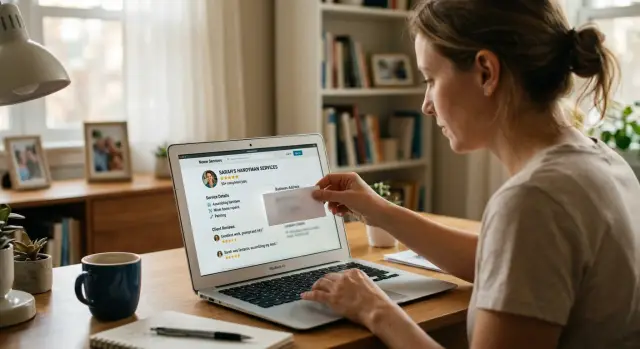
Why gig workers run into this problem
Gig work depends on trust. If you sell handmade items, clean homes, walk dogs, tutor, or do local delivery, customers want to know you are real before they book or pay.
That usually pushes people to share a real name, a clear photo, a phone number, and a location that sounds close enough to be convenient. Those details help you win work. They can also expose much more than you meant to share.
Once someone has your name, city, and phone number, they can search for you outside the app. Sometimes that is harmless. They want to check if you seem legitimate. The problem is what those searches can reveal: people-search sites, old classifieds, business records, cached pages, and forgotten profiles.
One old record is often enough. A past apartment listing, an outdated seller page, or a broker profile that shows your age and relatives can connect the dots fast. A buyer who starts with a simple name search can end up seeing your current address, past addresses, and family members.
This gets riskier when you work from home. A pickup spot, return address, or service area map may seem harmless on its own. Paired with data broker listings, it can point straight to your front door.
There is also quiet pressure to share more than feels safe. Thin profiles get fewer replies. Profiles with a real face, a neighborhood, and a long history often get more trust. That is why hiding your address in one app rarely solves the whole problem. If the same address still appears on broker sites, it stays easy to find.
The issue usually does not come from one dramatic leak. It comes from a trail of small facts spread across old records and public sites.
What customers need to trust you
Most customers are not trying to confirm your home address. They want a few simple signs that you are real, active, and easy to work with. That is good news. You can protect your privacy without looking anonymous.
A clear, consistent profile does more than a street address ever will. Use a recent photo of yourself, or a business name that matches your listing and messages. If you work under a brand, keep the same name across your marketplace profile, invoices, and chat replies. Small mismatches make people hesitate.
Recent reviews usually matter more than location details. Someone hiring a cleaner, pet sitter, tutor, or repair person wants proof that other people booked you and had a good result. A handful of recent reviews can calm nerves faster than posting your house number in public.
For local work, a service area is usually enough. "Serving North Austin" or "available across South London" tells people whether you are nearby without telling them where you live. If pickup is part of the job, use platform-approved meeting points or a business-safe mailing address when the platform allows it.
Trust also grows through basic communication. Reply quickly, even if the first message is short. Give a clear price or range. Explain your process in plain language. Confirm timing before the customer has to ask.
Platform checks help too. Verified badges, identity checks, and completed profiles often do more than oversharing. A worker with a clear photo, recent reviews, and fast replies looks far more trustworthy than someone who posts a driveway address but takes two days to answer.
Where your home details usually show up
Most gig workers do not post their home address on purpose. It usually leaks out in small pieces, then gets copied into places you never meant to use for public contact.
Often it starts with one old listing, one reused phone number, or one business profile. After that, search engines and people-finder databases begin connecting everything.
The places that expose more than you think
Data broker sites are usually the biggest problem. They collect names, past addresses, phone numbers, relatives, and public records, then publish them in one profile. Once one broker has your information, other sites often copy it.
Old marketplace accounts are another common source. You might have signed up years ago, used your home address for shipping or verification, and forgotten about it. Even if the address is no longer visible on the live page, cached versions, copied seller pages, or public reviews can still leave clues.
Social media fills in the gaps. A bio with your city, a post about porch pickup, or a photo with a house number in the background can tell a stranger more than you meant to share. Shipping labels, school names, street signs, and license plates all help complete the picture.
Invoices and receipts can leak details too. Many templates add a full address by default. The same goes for return labels, business directories, and public comments where someone casually mentions a cross street or nearby landmark.
How to tighten your profiles step by step
People book faster when your profile feels real. That does not mean you need to post your full home address, personal email, and everyday phone number. The goal is simple: show enough to build trust, but stop short of handing out your private life.
A good way to do this is to review your profile as if you were a stranger seeing it for the first time. Open the public version in a private browser window and read every line, photo, and contact field. Focus on what a customer can actually see, not just what appears on the edit screen.
Start with location. Replace a full address with a city, neighborhood, or service area whenever the platform allows it. Most buyers care about whether you can reach them, not which house you live in. If you offer pickup, use an approved meeting point or a business mailing address instead of your front door.
Then look at contact details. A work-only email and a separate phone number create distance between customer messages and your personal life. If that number starts attracting spam, you can change it without touching family chats, banking alerts, or older accounts.
Photos need the hardest review. A strong product shot or profile photo can still reveal a house number, package label, curb, mailbox, or parked car. Crop tighter. Blur small details. Reshoot if needed. One visible number plate can undo every other privacy step.
If your address is already showing up on broker sites, profile cleanup helps, but it will not solve the whole problem by itself. You also need to remove the source pages that keep republishing your details.
A simple example from a local marketplace
Take a local cleaner who gets most of her work through a marketplace app. Customers do not need her full identity to feel safe booking. They need enough detail to judge whether she is reliable.
Her profile can do that with a first name, recent reviews, her city, her usual hours, and a short note about the jobs she takes. What customers really care about is simple: does she reply quickly, does she show up, and do past clients say she does good work?
That is usually enough. For most buyers, trust comes from signs that she is active and reliable, not from seeing her street address in search results.
The safer setup is to keep as much as possible inside the platform. Messages stay in the app. Payments stay in the app. Pickup or access instructions get shared only after a booking is confirmed. That cuts down on random searches and keeps strangers from gathering extra details before they are real customers.
Now picture the problem. Someone searches her name and city, and an old people-search page shows her full home address. A normal customer might ignore it. A scammer might not.
After those broker listings are removed, her public trail looks different. Her marketplace profile still appears. Her reviews still appear. Her city and work hours still appear. But search results stop handing out her home address.
The balance is simple: show enough to prove you are real, keep private details off the open web, and let the platform do its part.
Common mistakes that expose too much
Most privacy leaks come from habits, not one big mistake. A few common ones show up again and again.
Using the same phone number for everything is probably the biggest one. If your work number is also tied to family chats, bank alerts, and old social accounts, it becomes easy to connect your marketplace profile to the rest of your life. A separate work number is usually worth the small cost.
Photos cause trouble too. A listing image can reveal a house number, street sign, school badge, license plate, or shipping label in the background. People miss these details because they are focused on the item or service they are selling. Zoom in before you post.
Old accounts are another easy leak. An expired classified ad, a side hustle profile you forgot about, or an old marketplace page can still show your phone number, neighborhood, or pickup address. Public replies can do the same. A comment like "I am near the blue house off Oak Street" feels harmless in the moment. Combined with your name and number, it gives away more than you think.
A quick self-check helps:
- Search your name, phone number, and old usernames.
- Review your last 20 listing photos.
- Check invoice and receipt settings.
- Delete or update inactive marketplace profiles.
- Remove location details from public comments.
What to do if your address is already public
Finding your home address online feels invasive, but it is usually fixable. Start by seeing the full spread of the problem before you delete things one by one.
Search your full name, phone number, and address in different combinations. Put them in quotes and try older usernames too. You are looking for any page that helps a stranger connect your seller profile to your home, your relatives, or old contact details.
Make a simple list as you go. A notes app is enough. Write down the site name, what it shows, and whether the page is visible without logging in. That gives you a map instead of a mess.
Start with the places customers actually use
Fix your marketplace profiles first. If buyers can still see your street address, old pickup notes, or a personal phone number, close that gap before anything else.
Check the public profile, saved listing templates, shipping settings, return address, and any auto-filled contact fields. Then move to people-search and data broker sites. These are often the pages that keep your address circulating even after you clean up the marketplace itself.
A practical order looks like this:
- Remove or hide address details on marketplace and social profiles.
- Save the broker or directory pages that show your record.
- Send removal requests to each site.
- Keep screenshots in case a page returns.
- Recheck search results after a week or two.
Expect some records to come back. Data brokers buy fresh data, merge records, and republish old entries. One round of requests is rarely enough.
If you do not want to handle dozens of sites by hand, Remove.dev can help with that part. It is a personal data removal service that works across more than 500 data brokers, sends removal requests through direct integrations, browser automation, and privacy-law requests, and keeps monitoring for relistings. Most removals are completed within 7 to 14 days, and you can track requests in a dashboard instead of chasing them across open tabs.
A quick privacy check before new bookings
Before you accept a new booking, do a two-minute scan of what a stranger can see. Customers need enough detail to feel safe hiring you. They do not need your exact home address, personal number, or a photo that shows your mailbox.
Run through this short check whenever you update a profile or upload fresh photos:
- Check whether the public page shows your street address. If it does, replace it with the city, neighborhood, or service area.
- Review the page the way a customer sees it. It should say where you work, not where you live.
- Zoom in on photos for house numbers, mail, license plates, school names, or anything that shows your full name and address.
- Keep calls and messages inside work channels when possible.
- Search your name, phone number, and business name together. Old listings often reveal more than your current profile.
One missed detail can undo the rest. A clean profile with one photo of your front door number still gives away too much. The same goes for an old post that offers porch pickup at your home.
A simple rule works well: show what proves you are real, hide what tells strangers where you sleep. A clear face photo, recent reviews, a service area, response time, and a short description of how you work usually build enough trust on their own.
Next steps that save time
The fastest way to make progress is to work in the same order other people see you. Start with the profiles that bring in real bookings: your marketplace page, business profile, and any social account you use for customer messages. Fix those first. Then clean up older pages that still show your full name, street, or personal phone number.
After that, check data broker sites. This matters more than many gig workers expect. A cleaner public profile helps, but it does not erase older records that still connect your name to your home address.
Keep the routine simple. Review the few profiles customers see most. Search your name, phone number, and address variations. Log exposed results in one place. Set a monthly reminder to recheck. Update or remove anything that comes back.
Your tracker does not need to be fancy. A note, spreadsheet, or dashboard is enough if it shows what you found, when you sent a request, and what happened next. That one habit cuts down on repeated work.
If manual cleanup starts eating hours, getting help can make sense. Remove.dev is built for people who want their information off the market without spending hundreds of hours doing it themselves. But even if you handle removals on your own, the priority stays the same: keep customer-facing details clear, keep your home details off the open web, and check often enough that old records do not quietly creep back.
FAQ
Do I need to show my home address to look trustworthy?
No. Most customers just want to see that you are real, active, and easy to work with.
A clear photo, recent reviews, a service area, fair pricing, and fast replies usually build more trust than a public street address.
What should I show instead of a full address?
Use your city, neighborhood, or service area if the platform allows it. That tells people whether you can serve them without pointing to your front door.
If pickups are part of the job, use an approved meeting spot or a business mailing address instead of your home.
Where does my address usually leak from?
Data broker sites are often the biggest source. Old marketplace accounts, public business profiles, cached pages, invoices, return labels, and social posts can also give away enough detail to connect you to your home.
One old record is often all it takes for someone to piece the rest together.
Is a separate work phone number and email worth it?
Yes, for most gig workers it is worth it. A separate work number and email make it harder to tie your customer profile to your personal accounts, family chats, and older records.
If spam starts or you need to change your contact info, you can do it without disrupting the rest of your life.
How can I check what strangers can find about me?
Search your name, phone number, address, business name, and older usernames in different combinations. Open your public profiles in a private browser window so you only see what strangers can see.
Then review recent photos, listing templates, shipping settings, and public comments for anything that gives away your location.
What photo mistakes expose too much?
Background details are the usual problem. House numbers, street signs, license plates, shipping labels, school names, mail, and reflections can all reveal more than you meant to share.
Before you post, zoom in and crop tighter. If the image still shows too much, take a new one.
What should I do if my address is already public online?
Start with the pages customers see first and remove or hide any address details there. After that, save screenshots of broker pages, send removal requests, and recheck search results after a week or two.
Expect some pages to come back. Brokers often refresh and republish records, so one round of requests is rarely enough.
Will fixing my marketplace profile solve the problem by itself?
Not usually. Cleaning up your profile helps new customers, but it does not remove older broker records, cached pages, or copied listings that still show your address.
You need both parts: fix the profile people see now and remove the outside pages that keep spreading your details.
How often should I recheck my information?
A monthly check is a good default, and you should also recheck after updating profiles, changing contact info, or posting new photos. That is often enough to catch relisted records before they sit there for months.
Keep a short log so you know what came back and what still needs work.
When does using a removal service make sense?
It makes sense when manual cleanup starts taking too much time or you are finding your details on many broker sites. Remove.dev works across more than 500 data brokers, keeps watching for relistings, and most removals are done in 7–14 days.
You can track requests in a dashboard, plans start at $6.67 per month, and there is a 30-day money-back guarantee.