Debt collector scams get easier when relatives are easy to find
Debt collector scams work better when callers can find household links, ages, and relatives online. Learn how they pressure families and what to do.
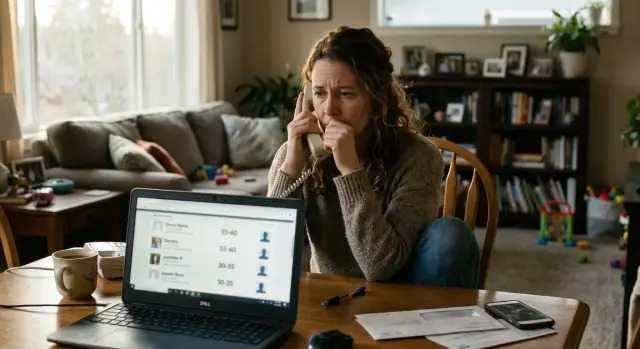
Why these calls sound real
Debt collector scams work because the caller starts with facts that feel hard to fake. They may know your name, a past address, a phone number, or the names of relatives tied to your household. That does not prove the claim is real. It usually means your information is sitting in public records or data broker listings.
The first minute does the damage. If someone says, "I'm trying to reach Daniel Reed, age 34 to 39, formerly at Oak Street," many people stop and listen. The details sound specific, so the story feels true before anyone checks it.
A relative's name makes the call even more convincing. Once the caller asks for your brother, parent, or adult child, it stops feeling like a random robocall. It feels personal. That is exactly what the scammer wants. Many people-search sites show household ties, so a stranger can sound close to the right person without knowing much at all.
Age bands help them narrow the guess. Public profiles often show a range instead of a birth date, but "55 to 64" or "25 to 34" is enough to sort people by generation. If two people in the same city share a name, that extra clue helps the caller pick the version that fits the script. Even when the details are partly wrong, they can still sound right enough to keep you talking.
Old addresses do the same thing. A caller might mention a place you lived six years ago and treat it like proof that the debt is tied to you. For many families, hearing an old street name creates instant trust. People think, "How else would they know that?" The answer is simple: old address history is common on broker sites, and it is often outdated or mixed with someone else's file.
Picture a simple version of the scam. A stranger calls a mother, asks for her son by full name, lists two old addresses, and says legal papers are about to be filed unless she helps reach him now. The urgency feels real because the details feel real. The scam often works before money even comes up.
What scammers can find in public profiles
A public profile rarely stops at one name. Many relative search sites also show possible relatives, past roommates, shared addresses, old phone numbers, and broad age ranges. That is enough to turn a cold call into something that feels targeted.
People-search pages often group family members under the same household. The caller may not know who will answer, but the profile gives them a shortlist. If they can see a parent, spouse, sibling, or adult child tied to one address, they can try several numbers until someone picks up. Then they test a line like, "I need to reach Michael Reed about an urgent debt matter. Are you a relative?"
They do not need perfect data. They need data that sounds close enough. A rough age range helps them guess whether they are speaking to a parent or a child. An old address lets them pretend they are "verifying" the file. A middle initial, even a wrong one, gives them room to fish for a correction.
One profile can also open several doors at once. In a few minutes, a scammer can piece together who might answer the phone, who sounds older or younger, which old address to mention, and which name is most likely to make someone nervous. That is why these calls often sound more accurate than they are. The caller is not reading a secret file. They are stitching together scraps from public listings and using family privacy gaps against you.
How a family call unfolds
These calls usually start with a small twist. The caller does not ask for the person who supposedly owes money. They ask for a parent, spouse, or adult child instead. That makes sense if they found a household connection online and want the person most likely to respond.
A common version sounds like this: "Is this Maria Thompson? I'm calling about Daniel M. Thompson regarding a legal debt matter." Then comes one detail that feels hard to fake, such as an old street name or a past city. Maybe they say, "We have him tied to Cedar Lane." Maybe they use a middle initial that is close enough to sound right.
This is where people get pulled in. The relative wants to fix the mistake, so they say something small like, "No, Daniel never lived on Cedar Lane. He was on Cedar Court," or "His middle initial is N, not M." It feels harmless. It is not.
The scammer now has a live correction from a real family member. The tone often changes right away. They sound more certain because you just confirmed they reached the right family. A vague fishing call becomes a pressure call.
Then the script tightens. They may say, "Thank you for confirming the file," "If we cannot reach him today, this moves forward," or "You can help prevent service at the home." None of that has to be true. It only has to sound urgent.
That is why debt collector scams work so well on families. The caller mixes public facts with a relative's instinct to respond. An old address, a middle initial, an age range, and a household link can create the feeling that the caller already knows everything. Once that feeling sets in, people start trying to solve the problem before they stop to question it. They offer a new number, confirm a current city, or stay on the line because they do not want the situation to get worse.
What to do during the call
The first job is simple: slow the call down. A scammer wants panic, quick answers, and one small detail they can use on the next sentence.
Keep your replies short. Ask for the caller's full name, the company name, and a callback number. If they dodge those questions or keep talking over you, that tells you a lot.
Do not fill in gaps for them. If they ask, "Is this John's mother?" or "Are you still at the Maple Street address?" say, "I do not confirm personal details on an unsolicited call." Do not confirm birthdays, addresses, old addresses, Social Security digits, or the names of relatives. Even a small "yes" helps them sharpen the story.
A calm script works better than an argument:
- "Give me your full name and company."
- "Send the claim to me in writing."
- "I do not confirm personal details by phone."
- "I will review it after I receive written notice."
- "This call is over."
If the caller threatens arrest, says you must pay today, or tries to stop you from hanging up, end the call. The same goes for demands to pay by gift card, wire transfer, crypto, or an unfamiliar app.
After you hang up, write down the number, the time, and the exact phrases that stood out. Note any names they used, the amount they claimed, and the payment method they pushed. That makes repeat calls easier to spot and easier to report.
Red flags that are hard to miss
A scam call can sound oddly specific. The caller may know your brother's name, your old address, or the age range of someone in the house. That can shake people fast. Still, these calls usually fall apart once the caller starts pushing for action.
One of the clearest warning signs is refusal to send anything in writing. A real claim should survive a basic request like, "Mail me the details." If the caller dodges that, talks over you, or says written notice will come only after payment, treat the call as fake.
Another bad sign is when they drag a relative into the debt. They may say they are calling "as a courtesy" and then pressure a parent, sibling, or spouse to pay on someone else's behalf. That is not a favor. It is a tactic.
Watch for this pattern:
- payment has to happen right now
- they want bank details, debit card numbers, gift cards, wire transfers, crypto, or payment apps
- they threaten arrest, jail, police action, or court within hours
- they insist the family must keep the matter quiet
- their tone changes the moment you ask for written proof
That mix of urgency and fear is the whole play. The caller wants one person in the family to panic before anyone compares notes.
A typical example is simple. A caller reaches an older parent and says their adult son is about to be arrested over an unpaid account. They use the son's full name and a past address, then ask for a card number to "pause the case." That does not prove the debt is real. It proves the caller found enough public data to sound believable.
Mistakes families make on the spot
The first mistake is correcting the caller. If they ask, "Is this John's brother?" and you answer, "No, I'm his uncle, and he moved last year," you just gave them two useful facts.
The second mistake is confirming the relationship at all. People do this without thinking because they want to protect a son, sister, or parent, or they want to explain why the caller has the wrong person. Once you say how you are related, the script gets more personal fast: "Since you're his mother, you need to help resolve this today."
Sharing a current number, workplace, or city is another trap. Families often think, "I'll send them to the right person and this will stop." It usually does the opposite. Now the caller has a better path to the target and a stronger story for the next call.
Small payments are dangerous too. Scammers ask for a processing fee, a settlement hold, or a "good-faith" payment that sounds minor enough to end the problem. Twenty dollars, fifty dollars, sometimes less. People pay because panic makes a small amount feel safe. What it really does is show the caller they can keep pushing.
Time on the phone matters. The longer the call lasts, the more likely you are to answer "just one more question." Scammers use that time well. They repeat the details they know, raise the stakes, and wait for you to slip.
Most bad calls follow the same chain. Someone corrects one detail, explains how they know the person, offers a current number "to clear things up," stays on the line because the threat sounds serious, and then sends a small payment to make the calls stop. That reaction is common. It starts with fear, not carelessness.
If a caller claims a relative owes money, the safest response is boring on purpose: confirm nothing, offer nothing, and end the call. You can check the claim later through a source you trust.
Quick checks before you act
When a caller knows a relative's name, rough age, and your address, the call can feel convincing. It may still be built entirely from public facts. Before anyone pays, confirms details, or says "yes" to a settlement, slow things down and check the basics.
Start with written notice. Ask for the company name, mailing address, and a way to review the claim in writing. If the caller wants payment before you can read anything, stop there.
Next, separate public facts from private ones. A name, an old address, a list of relatives, and a broad age range are easy to find online. Those details do not prove the debt is real.
Then ask the same question twice. Get the company name, the amount, the original creditor, and the account timeline. In scam calls, those details often shift once the caller feels pressed.
Also, do not verify the debt through a relative on the spot. If the caller wants your spouse, parent, sibling, or adult child, let that person check the claim on their own through a number they find themselves.
Last, pay attention to the payment method. Gift cards, crypto, wire transfers, and last-minute payment apps are obvious warning signs. So is any "today only" threat.
A small example shows why these checks matter. If a caller says, "We're trying to reach Michael Reed, age 38 to 42, linked to this household," that sounds precise. It may still be nothing more than a profile scraped from public records and broker sites. Taking five extra minutes can stop a bad payment and a lot of panic.
Your next steps to limit exposure
If your family keeps getting calls like this, check what strangers can see about your household.
Start with a quick audit. Search your name, phone number, and address on people-search sites. Then do the same for close relatives - parents, adult children, a spouse, or anyone a caller might mention to sound believable.
Pay close attention to listings that show "possible relatives," "household members," old addresses, and broad age ranges. A scammer does not need perfect data. If they can guess the right family tie and rough age, the call feels real enough to rattle people.
You do not need a huge spreadsheet. Just note which sites connect the household together and which profiles show names, age bands, past addresses, or phone numbers in one place. Those combined listings are the most useful to scammers, so they are the best place to start.
Then remove or suppress those entries where you can. Most people-search sites have their own opt-out process, and each one works a little differently. It takes patience. Start with the pages that combine names, age ranges, and household ties, because those are the easiest to use in a debt collector scam.
It also helps to set one simple family rule before the next surprise call: no one confirms identity or relationships on an unexpected phone call. Not your age. Not your address. Not whether "John is your son" or "Maria lives there."
A short script can keep everyone steady:
- "I do not confirm personal details on surprise calls."
- "Send anything official by mail."
- "I will call back using a number I verify myself."
If manual opt-outs turn into a second job, Remove.dev is one way to cut down that exposure. It removes personal data from more than 500 data brokers and keeps monitoring for re-listings, so the same household links and old addresses are less likely to pop back up later.
You do not need a perfect cleanup on day one. If you remove the listings that tie your household together and teach relatives not to confirm anything on the phone, the next scam call has a lot less to work with.
FAQ
Why do these debt collector scam calls sound so real?
Because the caller may have real public details like your name, an old address, a phone number, or a relative's name. That mix can make a fake story feel personal. Those facts often come from people-search sites, not from any real debt file.
If they know my old address, does that mean the debt is real?
No. Old addresses are common in public records and data broker listings, and they are often stale or wrong. A caller using one detail from years ago is not proof that the debt belongs to you.
Why would a scammer call my mother, spouse, or sibling instead of calling me?
They do it because relatives are easier to pressure. If a scammer finds household ties online, they may call a parent, spouse, or adult child first and hope that person will confirm details or panic and pay.
What should I say during the call?
Keep it short and slow. Ask for the caller's full name, company name, and callback number, then say you want the claim in writing. If they keep pushing, end the call.
What information should I never confirm on the phone?
Do not confirm your address, past addresses, date of birth, Social Security digits, phone numbers, or how you are related to anyone they mention. Even a small correction can give them enough to make the next part of the script sound stronger.
What are the biggest red flags that tell me it’s a scam?
Hang up if they threaten arrest, demand payment today, refuse to send anything in writing, or push gift cards, wire transfers, crypto, or random payment apps. Those are classic pressure moves.
Should I send a small payment just to make the calls stop?
No. A small payment does not settle anything with a scammer. It only shows that fear worked, and that can lead to more calls and more demands.
How can my family get ready before the next scam call?
Set one simple rule now: no one confirms identity, relationships, ages, or addresses on an unexpected call. A short family script works well, such as saying you do not confirm personal details by phone and asking for written notice instead.
How do I check what strangers can find about my household?
Search your name, phone number, and address on people-search sites, then check close relatives too. Pay attention to profiles that show household members, possible relatives, age ranges, old addresses, and phone numbers together, because that is the kind of info scammers use.
Can removing my data from broker sites reduce these scam calls?
Yes, it can lower the odds that a caller sounds believable. If fewer broker sites show your household links, old addresses, and relatives, scammers have less to work with. Remove.dev can remove data from over 500 brokers and keep watching for re-listings, which saves a lot of manual effort.