Home address on event pages: why it stays searchable
Home address on event pages can linger in photo galleries, maps, and old news coverage. Learn where it shows up and what to remove first.
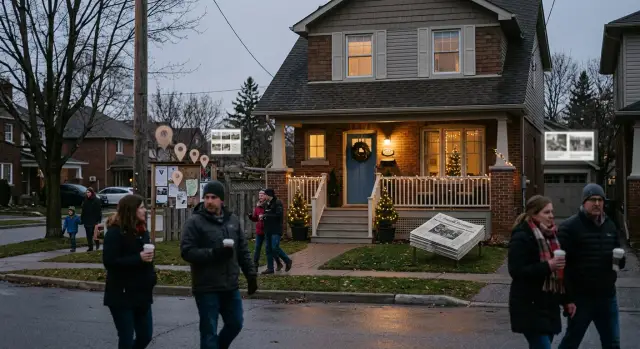
Why old event pages still expose your home
A neighborhood contest or holiday home tour might last a weekend. The page for it can stay online for years.
That is the real problem with posting a home address on event pages. The event ends, but the listing often does not. Old calendars, photo galleries, PDF flyers, and news recaps can stay indexed long after everyone forgets they were posted.
These pages are usually built to be easy to find. Organizers want visitors to look up stops on the tour, check maps, and share photos. Local papers may repeat the same details in an event roundup. Community groups may copy the address into newsletters, captions, or social posts that later get reused on websites. One short event can leave behind a long trail of duplicate pages.
The address does not always appear as one neat line of text. Sometimes it is pieced together from small clues. A homeowner's name, a visible house number, a map pin, and a clear photo of the front yard can confirm the location even if part of the address is missing. If the page also mentions a themed display, an award, or an unusual feature like a mural or a corner lot, finding the house gets even easier.
Picture a simple example. A family joins a holiday lights tour in December. The organizer posts a map with their address. A local paper writes a short story about three featured homes. Visitors upload photos, and one image shows the house number near the front door. By spring, the event is over, but all of those pages still exist. Search the family name, the street, or the event title, and the home can still appear.
That is more than a mild annoyance. It creates real privacy and safety problems. Strangers can confirm where you live, see what the front of the property looks like, and learn that your home was once open to the public. That can invite unwanted visitors, targeted scams, or simple loss of privacy.
Holiday home tour privacy issues often start with a fun local event and end with a long online record. Once that record spreads across event pages, press coverage, and image archives, fixing it takes more than deleting one post.
Where your address keeps showing up
Most people assume the issue is one old event page. Usually, it is not. A home address posted for a contest, tour, or seasonal event often gets copied into several places, and each copy can stay public for years.
The first source is the event calendar itself. A neighborhood contest, garden walk, or holiday tour page may list the full street address so visitors can find the house quickly. Even after the event is over, the page can still appear in search results, and the address can still show in the search preview.
Photo galleries are another common leak. The page may not spell out the address, but the pictures can do it anyway. A clear shot of the front of the house might show the number above the garage, a mailbox by the curb, or a street sign at the corner. One photo is often enough.
Embedded maps make things even easier. If a page includes a map pin, anyone can zoom in and see the exact property. Even if the written address is removed later, the map may still point to the same spot.
The places people forget are often the ones that keep the problem alive. Local news recaps are a big one. A short article about the event may repeat the address in the story, in a photo caption, or in a slideshow title. Small papers, neighborhood blogs, and community groups often keep these pages up as archives. No one goes back later to clean them up.
The same address can also show up in recap pages, photo captions, printable tour guides, sponsor pages, archived PDF flyers, and copies of social posts that were reposted to a website. None of those pages may seem serious on their own. Together, they make the address easy to verify.
Say your house was on a December charity tour. The organizer posts your address on the tour page. A local paper publishes a recap with photos of your front door and a caption naming your street. The event page also includes a map pin. Months later, someone can search your name, find the article, match the photos to the map, and confirm the house in a few minutes.
That is why old event content lingers. It is rarely one source. It is the same address repeated in text, captions, images, and maps across several sites, all pointing back to the same home.
How a short event turns into a long record
Say a homeowner joins a holiday home tour for one weekend in December. The event page lists her full name, house address, tour hours, and a short note about her decorations so visitors know where to go.
At the time, that feels harmless. The event is local, the audience seems small, and the page is only meant to help neighbors find the house for two days.
Then the weekend ends, but the page stays up.
A month later, the organizers post a photo album from the event. Some pictures show the front of the house, the mailbox, and the street number near the porch. Around the same time, a local newspaper runs a short story about the tour and names a few stops, including her home.
Now the address is not sitting in one place. It is on the old tour page, in gallery captions, and in a news story that search engines can index. That is how a simple weekend event turns into a long-term privacy problem.
A search does not need to be very smart to find it again. Someone can look up her name, her street name, or her name plus the tour title. In many cases, the preview text in search results already shows enough to connect her name to the house.
It can spread further. Community calendars, event roundups, and local forums sometimes copy the original details. Later, data broker or people-search pages may pick up the same address from public sources and keep it circulating. Even if the organizer removes the original page, copied versions can stay online.
That is what makes cleanup tricky. Deleting one post may not fix the whole problem.
A small example makes this clear. Lisa joins a neighborhood lighting contest on Oak Street. The contest page says she is stop number 8. A church group reposts the route on its own site. A local paper publishes photos and writes, "Lisa Morgan's home on Oak Street drew a big crowd." Six months later, Lisa searches her name and finds all three pages. One old weekend has turned into a trail.
The event ends fast. Search results often do not.
How to check what is still public
Start with a plain search, not your memory. Many people assume a page is gone because the event ended years ago. The page may still exist, or a copy of it may still show in search results.
Use a private browser window so your past clicks do not shape the results too much. Try several versions of the same search because different pages expose different details. Search your full name with your street name and city. Search your full address with the event name and year. Search your last name with the neighborhood name and words like "tour," "contest," or "winner." Search the house number and street without your name. If the event used a distinctive phrase, such as a decoration theme or award title, search that too.
Do not stop at the first page of results. Old local pages often sit deeper in search. A press mention, a scanned flyer, or a community calendar page can still show your exact location even when the main event page is gone.
Image search matters too. If your house was photographed for a holiday tour or decorating contest, the image may appear even when the page itself is hard to find. Search your address, your name, and the event name in image results. Then check any photos that clearly show your front door, yard, house number, or a nearby street sign.
Look at the search snippet, not just the live page. Sometimes a search engine still shows the address in the preview text after the page changed. Old snippets, archived pages, and indexed PDFs can keep the location searchable long after organizers stop updating the site.
Write everything down as you go. A simple note works, though a spreadsheet is better if you find more than a few pages. Track the page title, where it appears, whether it shows the full address or only part of it, and whether it includes photos, a map pin, or a search preview with the street name.
That record saves time later. It also tells you whether you are dealing with one old post or a wider trail across archives, image galleries, local news pages, and broker sites that picked up the address after the event.
What to remove first
Start with the full address written in plain text. If a page shows your street number, street name, city, or ZIP in the headline, event description, or schedule, move that to the top of your list. Search engines read plain text easily, and other sites often copy it word for word.
This is usually the fastest place to make a dent in the problem. A short event blurb that names the house can spread farther than a large photo gallery because the text is easy to index and easy to quote.
After that, look at the pieces people miss: map embeds with a pin on the house, event flyers saved as images or PDFs, route sheets, scanned posters, and image file names that include the address. These can stay searchable even after the main page is edited.
Photo captions should come next. You may not need every image removed. In many cases, asking for a caption edit is enough. Changing "The Johnson home at 18 Pine Street" to "a stop on the holiday tour" keeps the event record intact without publishing the exact location.
A simple order works well. If your house was part of a decorating contest, edit the community page first, then the flyer or map, then the gallery captions. That removes the clearest location signals first.
It also helps to keep a list of who controls each page. Note the page title, the site owner, the contact person if you have one, what needs to change, and the date you asked. Without that, it is easy to send the same request twice while missing the page that still exposes the address.
If you only have an hour, fix the plain text address first. Then go after maps, flyers, and captions. Those are often the pages that keep your home easy to find long after the event is over.
Mistakes that keep pages searchable
The biggest mistake is thinking one removal fixes everything. A contest page may disappear, but the photo gallery often stays live on its own URL. Search results can keep showing image pages, captions, and thumbnails long after the main page is gone.
A common case is simple: someone asks the organizer to delete "the page" and stops there. Weeks later, a search still brings up a gallery image titled with the street name and house number. If the address appeared in a caption, image file name, or gallery note, that page needs its own request.
People also skip local press because it feels permanent. That is a mistake. Small newspapers, town blogs, and community magazines often keep event coverage in their archives for years. Even if they do not remove the whole story, they may edit out an exact address, remove a map, or swap a photo. If the story was copied to partner sites, one article can turn into several results.
PDFs are another blind spot. Old flyers, scanned programs, and handouts get indexed like regular pages. A single PDF can hold your full address, event date, and directions in one place. Social posts matter too. A Facebook album, an Instagram caption, or a repost in a neighborhood group can keep the address searchable even after the original event page is cleaned up.
The last mistake is poor tracking. People send one email to the organizer, another note to a newspaper, and a quick message to a volunteer. Each request asks for something slightly different. Then they lose track of what was removed and what is still public.
A basic system works better. Save the exact URL, a screenshot, and the search term for each result. Use the same wording in each request so the ask stays clear. Name every item you want changed, including galleries, PDFs, maps, and social posts. Then check again after a few days, and again after a couple of weeks.
Cleanup usually takes longer than people expect. It is rarely one bad page. It is usually a trail of copies, reposts, and forgotten files that all need separate attention.
A quick privacy check
A page does not need to show your address in large text to expose where you live. One map pin, one caption, or one old photo can do the job. If you are worried about an event page, look at it like a stranger would. What could someone learn in under a minute?
Check whether the page shows your full street address anywhere, including captions, PDF flyers, image file names, or archived copies. Open any map or directions box and see where it lands. If the pin drops on your lot, driveway, or front steps, the page gives away more than most people expect.
Look closely at photos too. House numbers on the curb, a mailbox, a custom gate, a rare mural, or a very distinct front porch can make a home easy to match with street-level imagery. Search for your name with the event title and your street name. A short local article can connect all three and make the house easy to find years later.
Old event pages also keep showing up in search long after the event is over. That is common with holiday tours, decorating contests, and community routes. Even when organizers forget the page exists, search engines may still surface it.
A small example shows how this works. A holiday lights tour page lists only first names, which seems harmless. But the gallery shows a decorated front door, the map pin lands on the right block, and a local article names the street. Put those details together and the house is easy to identify.
What to do next
If your address is still public on event pages, move in a simple order. Save proof first. Then contact the people who control the pages. After that, watch search results for changes.
Take screenshots before you ask for edits. Capture the full page, any photo gallery, any map pin, the search result preview, and image results if photos of your house appear there. That gives you a record in case the page changes later and you need to explain the issue again.
A good contact order is usually the event organizer first, then the owner of the gallery or website, then the local publisher that covered the event, and finally anyone listed as the editor or webmaster.
Keep the request short and specific. Ask them to remove the full street address, delete or blur photos that show house numbers, and remove map embeds or captions that make the location easy to confirm. If the page only needs a partial fix, ask for that. Even changing a full address to a street name or neighborhood can reduce exposure.
After a page is edited, search results do not update right away. Old snippets, thumbnails, and cached copies can stay visible for days or a few weeks. That delay is normal. Check again later using your full address, your name, and the event title. If search still shows old details after the page itself is fixed, note the date and keep your screenshots.
It is also smart to check whether the same address appears somewhere else. In many cases, the event page is only one part of the problem. Data brokers often copy home details from public sources, so an address can keep resurfacing even after the local listing is cleaned up.
If that is happening, Remove.dev can take care of the broker side while you handle the event pages themselves. The service removes personal data from over 500 data brokers and keeps monitoring for re-listings, which helps when one old event page has already spread your address much further.
Once the main pages are fixed, run the same searches again in a week or two. You want to see fewer copies, fewer images, and less detail in the search previews. That is the clearest sign the exposure is shrinking.
FAQ
Why is my home still showing up years after an event?
Because event content often gets copied and archived. The original tour or contest page may stay live, and the same address can also live on gallery pages, PDFs, recap posts, and search snippets long after the event ends.
Where should I look besides the main event page?
Check the event calendar, photo galleries, embedded maps, PDF flyers, local news recaps, community blogs, and reposted social content on websites. If one page named your house, there is a good chance other pages repeated it.
How can I quickly check what is still public?
Use a private browser window and run a few simple searches. Try your full name with your street, your full address with the event name, and your last name with words like "tour" or "contest." Then look at image results and the search preview text, not just the live page.
What should I try to remove first?
Start with the full address in plain text. After that, go after map pins, PDF route sheets, flyer images, and captions that name your street or house number. Those usually make the home easiest to confirm.
Do photos still matter if the address text is gone?
Yes. A photo can expose the location even without a full address on the page. House numbers, a mailbox, a street sign, a mural, or a very distinct front porch can be enough to match the home.
Can local newspapers or community sites still change old stories?
Often, yes. Small papers and community sites may not remove the whole story, but they may edit out the exact address, swap a photo, or remove a map or caption. A short, clear request usually works better than asking for a full takedown right away.
Why does Google still show my address after the page was edited?
Search results often lag behind the page. The site may already be fixed while Google still shows an old snippet, thumbnail, or cached text for a few days or a few weeks. Check the live page first, then search again later.
Do I need the whole page deleted?
Not always. If the event record can stay up without naming your exact home, an edit is usually enough. Replacing a full address with a street name, neighborhood, or stop number can cut a lot of exposure without removing the whole page.
What should I save before I contact anyone?
Save the exact URL, screenshots of the page, the search result preview, any gallery image, and any map pin. That gives you proof of what was public and helps if you need to follow up with different site owners.
How can Remove.dev help if my address has spread further?
It helps with the broker side, not the event page itself. If your address spread from an old event into people-search and data broker sites, Remove.dev can remove that data from over 500 brokers and keep watching for re-listings while you work on the original pages.