Fake bank verification calls after a number is relisted
Fake bank verification calls can return when a relisted number puts your details back on old scam lists. Learn why it happens and how to watch for repeats.
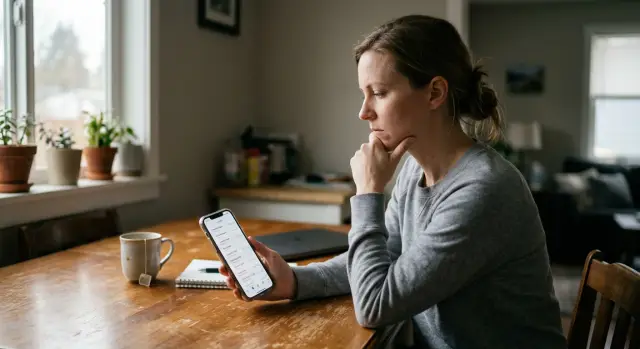
Why the calls come back
If fake bank verification calls stopped for a while and then suddenly returned, your number probably became easy to find again.
That quiet period can feel random, but it often follows a simple pattern. Your number disappears from public databases, calls slow down, then one data broker or people-search site posts it again. From there, the record gets copied, merged, and sold into more contact lists. Soon the same number is back in circulation.
That matters because scammers rarely build fresh calling lists from nothing. They buy old files, scrape public pages, trade lead lists, and combine whatever they can get. One new listing does not bring one caller. It can push your number back into several scam call lists at once.
The bank script works because it creates panic fast. A caller says there is a transfer, a locked card, or a suspicious login, and people react before they think. The story is simple. It still works.
Picture a number that disappeared from broker sites in January, so the calls dropped off. In April, one site republishes it after pulling from a new source. Another broker copies that record. A list seller exports it. A scam team buys the file and starts making "account alert" calls. The calls sound new, but the cycle is old.
That is why the real problem is not one bad caller. It is repeated exposure. If your number keeps showing up again, the same scam can restart after weeks or even months of silence.
How one relisted number spreads
A relisted phone number rarely stays in one place.
Once a broker posts your number next to your name, age range, city, or address, that record can move fast. Some companies buy fresh records in bulk. Others scrape public pages or trade older files. Within days, one match can end up in several separate databases.
The chain is usually boring and predictable:
- A broker republishes your number with a few personal details.
- Other list sellers pull that record into their own files.
- Callers test the number to see if someone answers.
- If the number is active, it gets marked for more calls.
That testing step matters. Scam callers do not need your full life story to start. A name and phone number are often enough. If they also have an old address or ZIP code, they can sound much more believable.
They may open with something like, "We need to verify unusual activity on your account," and then wait to hear how you react. If you stay on the line, correct a detail, or answer a security question, they learn two things right away: the number works, and you are willing to engage.
Removing your number from one broker does not always fix the problem because older copies keep circulating. List sellers often store snapshots, not just live records. One file gets exported, resold, and merged into another file. Even if the original page disappears later, copied versions can still feed more calls.
That is why one-time cleanup often falls short. The real job is catching relistings before they spread again.
How to tell it is not your bank
A scam call can sound a lot like a real fraud alert. The caller may know your name, the bank you use, or the last four digits of your phone number. None of that proves the call is real.
The clearest warning sign is what they want from you. A real bank may ask basic identity questions when you call them through an official number. A scammer usually wants something that helps them get into your account right away: a one-time code, your full card number, your online banking password, or details they can use to reset your access.
Pressure is another giveaway. If the caller keeps repeating words like "urgent," "locked," or "suspicious activity," slow down. Scammers want you scared enough to act before you think. A real bank can deal with fraud without pushing you into a panic.
One trick shows up again and again: they tell you to stay on the line. They may say hanging up will cancel the case or make the risk worse. That is a bad sign. If there is a real problem, you should be able to end the call and contact your bank yourself through the number on your card or in your banking app.
Caller ID is not proof either. It can be spoofed, so the call may look local or even show your bank's name. Trust the contact method you choose, not the one the caller chose for you.
A quick gut check helps. Treat the call as a scam if the caller asks for a code or card details, tries to rush you, insists that you stay on the line, or leans on caller ID as proof. If two of those show up, hang up and contact your bank directly.
What to do during the call
Slow the call down. Panic is what they want.
Do not confirm personal details just because the caller says them first. Do not give your full name, home address, card PIN, password, security answers, or any one-time code sent by text or app. In many cases, that code is the whole point of the call.
You do not need a clever response. A simple script works better because you do not have to think under pressure:
- "I will call the bank back myself."
- "I do not confirm details on incoming calls."
- "I do not share one-time codes by phone."
Say it once, maybe twice. Then stop talking. The more you explain, the more chances they get to pull you back into the story.
If the caller keeps pushing, talks over you, says your money is at risk right now, or tells you to stay on the line while you open your banking app, hang up. That pressure alone is enough reason.
Before you forget the details, make a quick note of the time, the number shown on your phone, the name they used, and what they asked for. If they mentioned a transfer, a login, or a code, write that down too. Small details help later if you need to report the attempt or spot the same script again.
What to do right after you hang up
The first step is simple: do not trust anything from that call until you verify it yourself.
Open your bank's official app or call the number printed on your card or statement. Do not call back the number that just rang you, even if it looks familiar.
Then do a quick account check. It should take about 10 minutes:
- Review recent transactions.
- Look for new payees, transfers, card charges, or profile changes.
- Turn on alerts for card use, transfers, and password changes if they are off.
- Change your password right away if you shared anything sensitive.
If you gave out a password, one-time code, security answer, or enough personal information to help with a reset, start with your banking password. If you reused that password anywhere else, change those accounts too. Begin with your email account, since email is often the reset path for everything else.
If you see a charge or login you do not recognize, contact the bank's fraud team through an official number and ask what they can lock down now. That may mean freezing the card, replacing it, or adding extra checks to the account.
Keep the evidence even if nothing bad happened. Save screenshots of the call log, voicemail, text messages, and any caller ID details. Write down what they claimed and what you shared. That record makes it easier to build a timeline later.
Mistakes that keep the calls going
A lot of people block one caller ID and move on. That feels satisfying for a day, but fake bank verification calls rarely come from one number. The people behind them switch numbers all the time, so blocking one line usually stops only that version of the scam.
Another common mistake is replying to a text about a charge, a login, or a security check. Even a short reply tells the sender your number is active and watched. That can push your number higher on scam call lists.
People also assume one opt-out or one removal request fixes the issue for good. Usually it does not. A relisted phone number can come back when a broker refreshes records, buys data from another source, or matches your number to a new form you filled out.
A quieter mistake is posting your number all over the place without thinking about where it ends up. Giveaway forms, coupon popups, event sign-ups, public social profiles, and business directories all add exposure. Some companies sell or share that data. Others leave it in places where brokers can pick it up later.
A simple rule helps: treat your phone number like your home address. Share it when you need to, not every time a site asks. If a form does not clearly need your number, leave it blank.
What to watch over the next few weeks
If the calls slowed down after you removed your number from a few sites, do not assume the problem is over. Relistings often show up in small waves before the calls get heavy again.
For the next few weeks, check every few days for signs that the number is back in circulation. Search your phone number on people-search sites and in regular search results. Watch for new missed calls, voicemail, or bank-themed texts. Keep a short log with the date, time, caller name shown on screen, and what the message claimed. Review old marketplace posts, social profiles, business listings, and account settings where your number may still be public.
That log is more useful than it sounds. One junk voicemail is just noise. A cluster of missed calls, a new text about "suspicious account activity," and your number reappearing online in the same week usually means the issue is active again.
Patterns matter. If the same fake bank name shows up every Friday afternoon, or the calls start again right after your number appears on a people-search site, you can stop guessing and deal with the source.
If your number keeps getting relisted
If your number keeps showing up again, you need a routine, not a one-time fix.
Check major broker and people-search sites every few weeks. Keep notes on where the number reappears and when you sent each removal request. Watch for changes in call volume after a new listing goes live. Review old accounts, directories, and public profiles that may still expose the number.
This repeated check is what actually helps. When a number gets relisted, old contact databases can wake up again. The result is not just more spam. It can mean more believable scam calls because the caller already has your name, city, or an old address.
If doing all of this by hand starts eating up your evenings, a monitoring service can make more sense than another round of manual cleanup. Remove.dev monitors over 500 data brokers, sends new removal requests when your information is relisted, and lets you track requests in a dashboard. That kind of ongoing watch will not stop every scam call overnight, but it can cut off one of the easiest ways your number gets back onto scam lists.
The goal is simple: make your number harder to find, keep it off public broker pages, and break the cycle before it starts again.
FAQ
Why did the fake bank calls come back after they stopped?
Because your number likely became public again. When one data broker or people-search site reposts it, that record can be copied into more calling lists, so the same scam starts up again after a quiet stretch.
Can one relisted number really lead to more scam calls?
Yes. One listing can spread fast because brokers, list sellers, and callers reuse the same data. Once your number is marked as active, it often gets more calls, not just one.
How do scammers make the call sound like it is really my bank?
They often have enough details to sound believable, such as your name, city, old address, or the bank you use. That information can come from broker records, older lists, or data you shared elsewhere.
What is the biggest sign the caller is not my bank?
The clearest sign is what they ask for. If they want a one-time code, full card number, password, PIN, or security answers, treat it as a scam and end the call.
Should I stay on the line if they say it is urgent?
No. That pressure is part of the scam. A real bank problem can still be handled after you hang up and call the number on your card or in your banking app.
What should I say during the call?
Keep it short. Say, "I will call the bank back myself," or "I do not confirm details on incoming calls," then stop talking and hang up if they keep pushing.
What should I do right after I hang up?
Start by checking your account through the official app or the number on your card. Review recent transactions, look for profile changes, and change your password at once if you shared anything sensitive.
Does blocking the number solve the problem?
Not really. Blocking one caller ID may stop that single number, but scam teams switch numbers often. The bigger fix is keeping your number off broker pages so it does not keep feeding new lists.
How long should I keep checking for relistings?
Watch for a few weeks at least. Search your number every few days, check for new missed calls or bank-themed texts, and keep a simple log so you can spot a new wave early.
What if my number keeps getting posted again?
At that point, a routine works better than one more cleanup. You can keep sending removal requests by hand, or use a service like Remove.dev to watch over 500 brokers, send fresh removals when your data comes back, and track progress in one place.