Fake title company follow-ups after closing: why they last
Fake title company follow-ups can appear long after closing because home sale data keeps spreading. Learn why one cleanup pass rarely lasts.
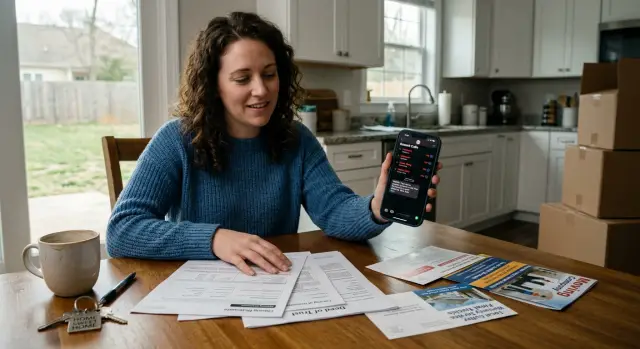
Why the messages keep coming after closing
A home closing feels final. Your data does not.
Once the sale is recorded, details like your name, property address, sale date, purchase price, and sometimes lender information can move into county records, listing archives, marketing files, and data broker databases. That gives scammers a base to work from. A fake title company follow-up sounds much more believable when it includes real details from your closing.
The delay is what catches people off guard. Some records get copied right away. Others sit in a list until someone cleans it up, combines it with other data, and sells it later. A broker might sell a file this month, and the buyer may not run a mail or call campaign until weeks after that. So the calls, texts, and letters can keep coming long after the closing table is out of sight.
A single removal request helps, but it usually clears only one source. Older copies can still sit with other brokers, and some sites refresh their records on a schedule, which means your information can come back after it was taken down.
That is the hard part with real estate data removal. Sending the first request is not usually the problem. The real problem is the slow resale cycle. Home sale data is easy to copy, and once it enters that market, it tends to keep moving.
A quiet month does not mean the issue is over. It may just mean the next batch has not been used yet. That is why people still get post-closing scam calls months after a purchase or sale, even when they tried to lock things down early.
It helps to think of it like junk mail after a move. You stop one sender, then another one buys yesterday's list. Closing data works the same way. If you want fewer surprises later, privacy cleanup works better as a repeated process with monitoring than as a one-time task.
How your closing details spread
A home closing does not stay in one file. Once the sale is recorded, parts of that transaction can move through several databases, mailing lists, and lead lists that have nothing to do with your title company.
County records are often the first stop. Those filings can include your name, property address, sale date, and sometimes loan details tied to the purchase. If that record is public, it is easy to copy and package.
From there, the data often gets mixed with other signals. A broker might combine real estate records with mortgage marketing data, change-of-address activity, moving service requests, warranty sign-ups, or household profile data. One closing event turns into a broader "new homeowner" profile that many companies want to buy.
The chain is pretty simple. A public filing creates a new record. That record is added to a sales list. The list gets sold. Then the buyer uploads it somewhere else, resells it, or uses it to build another list.
That last step matters. Data brokers rarely sell a record only once. The same home sale can show up in several list packages over time, sometimes with small changes to the spelling of your name, the address format, or the phone number attached. Each version can spread on its own, which makes cleanup harder.
A simple example shows why fake title company follow-ups keep appearing. Say you close on a house in April. Your sale shows up in local records and then on a new homeowner list. A mortgage mailer buys that list. Another company buys a recent movers segment built from the same record. A call center gets your phone number from a different buyer. By June or July, several businesses and scammers may be using versions of the same closing data.
Once a list enters the resale chain, it does not stay put. Even if one source removes your details, older copies may keep circulating until each seller, buyer, and reposting point is dealt with.
Why one cleanup pass rarely lasts
One removal request can fix one listing. It cannot clean up the whole market.
Home sale data spreads in pieces, and those pieces do not update at the same time. One broker may remove your profile while another still keeps a copy pulled from a different source. That leftover record can keep feeding fake title company follow-ups, scam calls, or mailed offers months after closing.
Resale makes this worse. Data brokers buy, trade, and rebuild lists on their own schedules. So even if one site deletes your record today, a new list sale can put it back into circulation next week. Sometimes the new profile looks identical. Sometimes it comes back with one small change, which makes it harder to spot.
Small differences create new records
Your name may appear in more than one form. "Michael Torres," "Mike Torres," and "Michael J. Torres" can end up as separate records. Old addresses add another layer. If your former home, mailing address, and new property appear across different files, brokers may treat them as separate entries and publish duplicates.
That is why a cleanup can look successful at first. The obvious listings disappear. Then copies, reposts, and lookalike profiles show up later.
A cleanup that lasts usually needs a few rounds:
- Remove the first wave of listings.
- Check again after brokers refresh their files.
- Search for duplicates tied to name variations and old addresses.
Without follow-up checks, removed data can return quietly. You may notice it only when a "title company" text lands in your inbox or a stranger calls about your recent closing.
What to do when a new follow-up arrives
When a letter, text, email, or call shows up weeks after closing, slow down. Fake title company follow-ups work because they sound routine and urgent. A rushed reply can confirm that your number, email, or mailing address is active.
Start by saving the message instead of answering it. Take a screenshot of the text or email. Keep the envelope if it came by mail. If it was a voicemail, save the recording and note the number, date, and what they asked for. Those small details help later.
Then compare the sender with paperwork you already trust. Use the phone number, email, and company name from your signed closing documents, not the ones in the new message. If the names are close but not exact, treat that as a warning. "Title Services LLC" and "Your Title Services" are not the same company.
A good rule is simple: verify through the contact information you already have, never through the contact information they just sent you.
If you do speak with the sender, ask one direct question: "How did you get my information?" A real company should give a clear answer. If you hear vague lines about public records, marketing lists, or partner databases, your details may have moved through the home sale data broker chain.
If the contact seems tied to a broker listing, send a removal request and keep a copy. Make it short. Note the date. If the listing comes back later, send another request. With real estate data, one round is rarely enough.
That paper trail is boring, but it works. It gives you proof if the same company contacts you again, and it helps you spot repeat patterns faster.
What this looks like after a purchase
Say Anna buys a house and closes on June 1. For the first month and a half, things are quiet. She gets normal paperwork from her lender, sets up utilities, and assumes the flood of closing-related contact is over.
Then the second wave starts.
About six weeks later, a letter lands in her mailbox with her exact property address and sale date. It looks official at first glance. The letter names a real lender from her closing paperwork, but the phone number on the page does not match the number on her loan documents. Anna calls the lender directly, and they tell her the letter did not come from them.
A few days later, the calls begin. One caller says there is a title issue to clear up. Another says she needs to verify filing details and pay a small fee. Because the callers know the date of the sale and the address, the pitch sounds much more believable than random spam.
The timeline often looks like this:
- Weeks 1 to 6: very little beyond routine junk mail
- Weeks 6 to 10: letters and calls start using the closing date, lender name, or address
- Month 3 or 4: the same record appears in a fresh mailing list sold to new buyers
- Later: older details come back after another broker reposts or resells the record
That last step is easy to miss. Anna might remove her information from a few sites and see the mail slow down. Then, a month later, another broker sells a list built from public real estate records, and the same details start circulating again.
That is why fake title company follow-ups can return after a quiet stretch. The first cleanup helps, but it often fades because home sale data does not move all at once. It gets copied, bundled, resold, and reposted in waves.
Common mistakes that keep your data in circulation
A lot of people make one smart move after closing, then undo it with a smaller mistake a week later.
The first trap is calling the number on the text, postcard, or voicemail. Even if you do not pay or share much, that call tells the sender your number is active and tied to the sale. That can lead to more calls, more mail, and more matching across broker sites.
Another mistake happens on removal forms. People often add extra details to prove they are the right person, such as a full birth date, a second phone number, or a work email. That feels helpful, but it can give a broker new information it did not already have.
Searching only one version of your name is another common miss. Old addresses, middle initials, shortened names, and name changes after marriage or divorce can all create separate records. If you only search one version, you leave other listings behind.
Many people also throw away the evidence too fast. Before you delete a text or toss a fake letter, save a screenshot or photo. The phone number, company name, return address, and wording can help you trace where your data surfaced and which record likely triggered it.
A simple routine helps:
- Do not call the sender from the number they gave you.
- Do not add new personal details unless a removal request truly needs them.
- Search old addresses, middle initials, and common name variations.
- Save screenshots, envelopes, and voicemails before deleting anything.
Quick checks before you reply or pay
Before you send money or documents, slow down. A message can look real just because it mentions your address, lender, or closing date. Home sale details often spread farther than people expect, so even fake follow-ups may include facts that sound convincing.
A quick check takes a few minutes and can save you from handing money or personal data to the wrong person.
- Compare the message with your closing packet. Look at the company name, file number, property address, and the document they claim you need. If the wording does not match what you already signed, be skeptical.
- Watch the tone. Same-day deadlines, threats about losing ownership records, or warnings that you must pay now are bad signs.
- Check what they actually know. A real company involved in your closing should already have the basic file details. If the sender is vague, asks what property you bought, or wants you to fill in details they should already know, stop there.
- Verify through a trusted number from your original paperwork. Do not use the phone number, email address, or payment instructions in the new message.
If anything feels off, pause. Real closing issues can be confirmed through your title company, lender, or agent using contact details you already have.
What results usually look like over time
Results usually come in waves, not all at once. Some records disappear in a week or two, especially on brokers that accept automated requests or simple privacy forms. Others last longer because the same closing details get copied, sold again, and posted on a slower schedule.
The first month often clears the obvious listings. The next two or three months show whether your information is still moving through resale channels. That is why post-closing scam calls can slow down, then start again without warning.
A common pattern looks like this:
- The first round clears the obvious listings.
- Another batch shows up when other brokers refresh their files.
- Some records return because one broker bought data from another.
- Physical mail often lasts longer than calls, texts, or emails.
Fresh mail can appear after a new list is published, even if things were quiet for weeks. A fake title company follow-up might use the same home address, loan amount, or closing date that was removed somewhere else last month. That does not always mean the first cleanup failed. Often it means a different broker posted a newer copy.
Re-listings are common with home sale data brokers because public records, marketing feeds, change-of-address signals, and people-search sites do not update at the same speed. One quiet month is not proof that your data is gone. Sometimes it only means the next reseller has not published yet.
Next steps if you want less manual work
If you are tired of dealing with fake title company follow-ups one by one, make the job smaller and more repeatable. Start with a simple log. Write down the date, the company name used, how they contacted you, what they asked for, and whether you replied. A basic note on your phone or computer is enough.
That log does two useful things. It helps you spot repeat claims with slightly different wording, and it keeps you from wasting time on the same sender twice. After a month, you can usually tell which contacts are random spam and which ones match a recent data listing.
It also helps to recheck broker listings every few weeks after closing, especially in the first couple of months. Home sale details move slowly, and new copies can show up after the first wave looks clean.
A short routine is often enough:
- Save a screenshot when you find a listing.
- Note when a removal request was sent.
- Check again in 2 to 3 weeks.
- Treat any relisting as a new task.
If that still sounds like too much manual work, a service can handle the repetition for you. Remove.dev removes personal data from more than 500 data brokers, keeps watching for re-listings, and lets you track requests in one dashboard. That is useful when closing data keeps resurfacing in batches instead of disappearing all at once.
The realistic goal is not silence overnight. It is fewer calls, less mail, and less time spent chasing the same record again and again.
FAQ
Why am I still getting title company calls after closing?
Because the sale record often spreads after closing, not just on closing day. Your name, address, sale date, and other details can be copied into mailing lists and broker databases, then sold weeks or months later.
That is why a quiet stretch does not always mean it is over. Another buyer may use an older list later and start a fresh round of calls or mail.
How do scammers know my address and closing date?
They often pull details from public property records and broker lists built from those records. Once your closing data is copied into sales lists, scammers can use real facts to make a fake message sound believable.
Seeing your lender name or property address in a message does not prove the sender is real.
Will one removal request fix the problem?
Usually not. One request may remove one listing, but other copies can still sit with other brokers or resellers.
If the data gets reposted or sold again, the same details can show up later under a slightly different record.
When do fake follow-ups usually start?
In many cases, the second wave starts about 6 to 10 weeks after closing. That is when copied records often begin turning into mailers, calls, and texts.
Some contacts arrive sooner, and some much later. The delay depends on when a list is sold and when the buyer decides to use it.
How can I tell if a title follow-up is real?
Use the contact details from your signed closing paperwork, not the ones in the new message. If the caller or sender is real, you should be able to confirm it through your title company, lender, or agent directly.
If the company name is close but not exact, treat that as a warning and stop until you verify it.
Should I call the number in the text or letter?
No. Calling the number they gave you can confirm that your number is active, which may lead to more calls or better-targeted scams.
Save the message, then call the company through a phone number you already trust from your own documents.
What should I avoid sharing on a removal form?
Give the minimum needed to match the record and nothing extra. Do not add details like a full birth date, work email, or a second phone number unless the request truly requires it.
Extra information can make your profile richer instead of smaller.
Why does my information come back after it was removed?
Because small differences can create fresh records. A broker may republish the same person as a nickname, a version with a middle initial, or a record tied to an old address.
That is why follow-up checks matter. The first cleanup may remove the obvious listing, while duplicates show up later.
How long does post-closing data cleanup usually take?
Most people see the first changes within a couple of weeks, but full cleanup usually takes longer. Many removals happen in waves because brokers update and resell data on different schedules.
With Remove.dev, most removals are completed within 7 to 14 days, and ongoing checks help catch re-listings before they sit around for months.
Can I pay someone to handle this instead of doing it myself?
Yes. If you do not want to keep chasing the same record by hand, a service can do the repeat work for you.
Remove.dev removes personal data from over 500 data brokers, keeps watching for re-listings, and shows each request in one dashboard. Plans start at $6.67 a month, and there is a 30-day money-back guarantee.