False check scams: how scammers research you before contact
False check scams often begin with simple online research. See how scammers use your address and work history to target freelancers, renters, and job seekers.
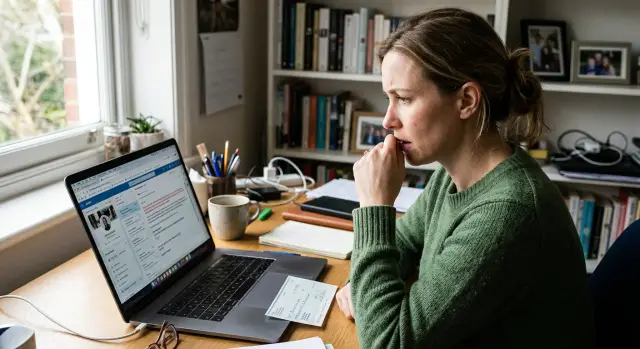
Why this scam works so well now
False check scams work because they rarely begin as obvious spam. The first message often fits something real in your life. It might mention the kind of work you do, the city you live in, or a recent move. That small match is often enough to lower your guard.
Public data is what makes that possible. When your address, work history, phone number, and social profiles line up online, a scammer can build a believable opening in minutes. It no longer feels like a random pitch. It feels like a real client, recruiter, landlord, or buyer who just happened to find you.
That is why freelancers, renters, and job seekers get targeted so often. Those situations already involve money moving around. Deposits, reimbursements, invoices, and advance payments are normal. A fake check slips into a situation that already feels familiar.
The scammer usually does a little research first. They check data broker sites, people-search pages, old resumes, business listings, and public posts. They are not guessing. They are testing a story against facts about you that are already public or easy to buy.
What scammers look up before they contact you
In many false check scams, the research starts long before the first email or text. Scammers want just enough real detail to sound normal for a few minutes. Often, that is all they need.
They usually start with the basics: your full name, phone number, email address, and city. Then they look for details that help them shape the right story. If you are apartment hunting, they may use a rental angle. If you freelance, they may pretend to be a client. If you are job searching, they may act like a recruiter or hiring manager.
The most useful details tend to be your current and past addresses, job titles, former employers, work dates, and any public resume or portfolio. Rental posts, side-gig ads, and social updates help too, especially if they show that you recently moved, need work, or are open to new projects.
Work history is especially useful to them. If your current city, old employer, and job title all match across different sites, they can write a message that feels oddly specific. That kind of specificity makes people reply.
Where that information usually comes from
Most scammers do not hack anything. They buy, scrape, or copy data that is already sitting in public view.
Data broker sites are a major source. These sites collect names, phone numbers, current and past addresses, age ranges, relatives, and sometimes work history from public records and commercial data feeds. Then the data gets copied again. An old apartment, an old side job, or a work email can keep showing up years after it should have disappeared.
People-search sites make the job even easier. They often put address history, possible relatives, and contact details on one page. That gives a scammer a quick script. If you are looking for housing, they can pose as a landlord who says they already checked your background. If you freelance, they can mention your city or an old client type to sound local.
Resume sites and job boards expose a different set of details. A public profile can show your title, software skills, work dates, and the fact that you are open to work. That is enough for a fake recruiter or fake employer to tailor a pitch. They do not need your full background. They only need enough to sound like they found you through a normal hiring process.
Social media fills in the gaps. A post about moving, leaving a job, or picking up contract work tells a scammer when you may be stressed, rushed, or expecting new contacts. Even a casual update can help them shape a story.
Business directories and portfolio sites add one more layer. They can show your business name, service area, client type, and contact information. That is why data broker privacy matters. Once personal details spread across multiple sites, it becomes much easier for a scammer to stitch them into a believable approach.
How they turn your details into a believable story
The lie usually starts small. It does not begin with something wild. It begins with a message that feels close enough to your real life that you do not stop to question it.
If a scammer can find your city, old addresses, job titles, and a recent profile update, they can build a convincing message fast. That is why false check scams often feel personal from the first contact.
Why the story feels real
Location does a lot of the work. If you live in Dallas, the scammer might claim they need a local assistant, want to rent you an apartment nearby, or say they are sending payment from a business in your area. A local detail makes the message feel less random.
They also borrow the language of your work. A freelance writer may hear from a fake client who mentions deadlines and invoices. A job seeker may get a note from a fake recruiter using the right title. A renter may get a message that mentions the exact neighborhood they were searching.
Timing matters just as much. If you recently moved, changed jobs, or posted that you are looking for work, you are more likely to expect outreach. The scammer does not need a complete picture of your life. They just need enough to sound informed.
The tone is usually copied from real people. Fake clients sound busy. Fake landlords sound polite but rushed. Fake recruiters sound polished and slightly formal. When the tone fits the role, people often trust the message before they verify who sent it.
Then the pressure starts. The check has to go out today. The apartment has another applicant. The job requires equipment before onboarding. Urgency is what keeps you from checking the sender, calling the company, or asking one more question.
That is the ugly part of the scam. The lie does not need to be clever. It only needs to arrive at the right moment with just enough truth around it.
A simple example of how it plays out
Picture a freelance designer in Phoenix. She gets an email from someone who says they found her while searching for local branding help. The note sounds normal. It mentions her real niche, the city she lives in, and the type of clients listed on one of her public profiles.
That detail changes everything. Random spam is easy to ignore. A message that sounds tailored feels safer, especially when the sender says they need a rush project and are ready to pay quickly.
The project seems simple enough: a few design pieces, a short deadline, decent pay. After a brief exchange, the sender says they will mail a check up front so work can start right away. When the check arrives, it is for more than the agreed amount.
There is always a reason for that. The sender says the extra money is for a printer, a materials vendor, or an assistant helping with the project. The freelancer is told to deposit the check, keep her fee, and send the rest to that third party.
This is where the pressure gets very obvious. The printer is waiting. The event date is close. The assistant needs payment today. Because the first message used real details about her work and city, the whole thing still feels more legitimate than it should.
Her bank may even show the deposit as pending or partly available. That fools a lot of people. Available funds do not mean the check is real. Banks can make money available before a check is fully verified.
So she sends some of the money on. A few days later, the bank reverses the deposit because the check was fake. The sender disappears. The printer or assistant was never real, or was simply another account controlled by the scammer.
Now the freelancer is stuck with the loss. The forwarded money was real. The check was not.
What the fake check is trying to make you do
The fake check is only the setup. The real goal is to push you into acting before the bank finishes checking it.
That delay matters. A bank may show all or part of the deposit in your account and then reverse it later when the check fails. Scammers use that gap to get real money from you.
The most common move is simple: they ask you to send some of it back. They may call it a refund, an overpayment fix, a processing fee, or a deposit for an apartment or project. Once you send that money, it is usually gone.
Another version is sneakier. You are told to buy software, office gear, or supplies from an "approved vendor." That vendor is often fake or controlled by the scammer. You pay with your own funds, the check bounces later, and the equipment never arrives.
They may also use the payment story to collect more personal information from you, such as your bank name, mobile deposit limits, a copy of your ID, or extra details for fake paperwork. That gives them more chances to try again later, either with another scam or with account fraud.
One more thing keeps these scams going: conversation. If they can keep you replying for another day or two, they can ask for one more form, one more payment, or one more screenshot from your banking app. Each request feels small on its own. Together, they can do real damage.
What to do step by step
If a stranger sends you a check and then asks you to send money, buy equipment, pay a mover, or forward part of the amount, stop there. Do not spend any of it, even if the deposit shows up in your account.
Here is the cleanest way to handle it:
- Stop the payment part first. Do not send money back, buy gift cards, pay their vendor, or move the money to another account.
- Call your bank using the number on your card or the bank's official website. Do not use a phone number from the email, text, or check.
- Ask a direct question: "Has this check fully cleared, or has it only posted?" Then ask whether the funds can still be reversed.
- Save everything. Keep screenshots, emails, check images, payment usernames, shipping details, and photos of any envelope or letter.
- Report the account, listing, or profile on the site where the contact began.
One detail trips people up all the time: banks often make some money available before a check is fully verified. That does not mean the check is good. If the bank later finds it is fake, the money comes back out of your account.
If you already deposited the check, say that clearly when you call the bank. Ask what they want you to do next and whether they can place notes on the account. That can help if the scammer tries another move, like sending a second check or pushing you to wire money before the first one fails.
Do not argue with the scammer. Do not try to trap them. Save the proof, block them, and deal with your bank and the platform first. Fast action matters more than clever replies.
Mistakes that make losses worse
The biggest mistake is treating "available funds" as proof that a check is real. It is not. That misunderstanding is where many false check scams succeed.
Another mistake is trusting the tone instead of the facts. Scam emails can look clean. Phone calls can sound calm and ordinary. Some scammers are very good at sounding helpful, especially when they already know your street address, old job title, or the type of work you do. That small bit of truth makes the rest of the story feel safer than it is.
People also excuse warning signs because the message contains real details. Maybe the company name is slightly off. Maybe the amount is odd. Maybe the reason for overpaying sounds messy. Those details matter. A scam does not become legitimate just because part of the story is true.
Politeness can make things worse too. Some victims send back only part of the money at first because it feels like the careful choice. It is not. If the check fails, even a partial refund came from your own pocket.
Sharing your ID too early is another expensive mistake. A fake employer, landlord, or client may ask for a driver's license to "verify" you before work starts or before a refund is processed. Once they have that image, they can reuse it in other scams or combine it with data already found online.
A simple rule helps: if someone sends money first and then asks you to move some of it somewhere else, pause everything.
Quick checks you can do today
False check scams often start before the first message. The scammer has already matched a few facts about you - your name, city, phone number, old jobs, or a recent move. That small bit of truth can make a fake offer feel real.
Start with a basic search of your full name, phone number, and home address. Check more than the first result. If you can see your current city tied to an old employer or rental listing in under two minutes, a scammer can too.
Then look for old resumes, profile pages, and copied portfolio listings. Many people leave up documents that show a full address, direct phone number, exact work dates, and side jobs from years ago. That gives strangers a script.
A quick cleanup does not take long. Search in a private browser window and note where your information appears. Trim resumes so they show only what is needed. Hide or delete old posts about moving, apartment hunting, or needing work fast. If a stranger knows a few true details but quickly pushes you toward payment, slow down.
One rule is worth keeping simple: if someone sends money first and asks you to send part of it somewhere else, stop. Real employers, landlords, and freelance clients do not need you to move money for them before a check fully clears.
Next steps to make yourself harder to target
Scammers have a much easier time when the same details appear across lots of public pages. If an old portfolio, a forgotten rental profile, and a people-search listing all show the same city, employer, and phone number, they can tailor a scam with very little effort.
Start with the accounts you forgot about. Old freelance platforms, resume sites, alumni pages, and public bios can stay visible for years. If you no longer use them, delete them. If you need to keep them, cut them down. A short bio is safer than a full timeline with your work history, neighborhood, and direct number.
Then tighten the profiles you still use. Hide your phone number, personal email, and street address where possible. Limit who can see your work history, contacts, and posts. Remove exact dates when they are not needed. It is also smart to use a separate email address for job applications and rental inquiries.
Data broker records deserve special attention. Many scammers do not need to hack anything because they can buy or scrape records that are already public. Search your name with your city, old phone numbers, and past employers. If broker sites show your age, relatives, addresses, or work history, submit removal requests where you can.
That cleanup takes time, and records often reappear. If you want less manual work, Remove.dev is a service that removes personal data from over 500 data brokers and keeps monitoring for relistings. Less public data means fewer pieces for a scammer to use against you.
Set a reminder to review your public footprint every few months. Look for new people-search pages, forgotten profiles, and posts that reveal too much. The less a stranger can confirm about you in ten minutes, the harder you are to target.
FAQ
How do scammers know my city, job, or old address?
They often pull it from data broker pages, people-search sites, public resumes, old portfolio pages, rental listings, and social posts. A few matching details can make a fake client, landlord, or recruiter sound real.
What personal details are most useful in a false check scam?
Usually they want your full name, phone number, email, city, address history, job titles, past employers, and any sign that you are looking for work or housing. They use those details to build a story that fits what is going on in your life.
Do scammers have to hack me to pull this off?
No. Most of the time they buy, scrape, or copy data that is already public. That is why old profiles and broker listings can be enough for them to start.
Why does the first message feel so believable?
Because it starts with something familiar. If the message matches your work, your move, or your housing search, it feels less like spam and more like normal outreach.
If the money shows in my account, does that mean the check cleared?
No. Banks can show funds before a check is fully verified. If the check later fails, the deposit can be reversed and you are left covering anything you sent or spent.
What is the biggest red flag in a fake check scam?
The clearest warning sign is this: someone sends you money first and then asks you to move part of it somewhere else. That could be a refund, a vendor payment, equipment purchase, or deposit, but the goal is the same.
What should I do if I already deposited the check?
Stop all payments first, then call your bank using the number on your card or the bank's official site. Tell them you deposited a check that may be fake, ask if the funds can still be reversed, and save every email, text, screenshot, and check image.
Can I safely send back just part of the money?
Do not send any of it. Even a partial refund comes from your own money if the check bounces later. Polite scammers count on people sending "just a little" before they catch on.
How can I make myself harder to target?
Start by searching your full name, phone number, and home address in a private browser window. Then trim old resumes, hide contact details on public profiles, delete forgotten accounts, and remove posts that reveal a move, job search, or money stress.
Does removing my data from broker sites actually help?
Yes. Less public data gives scammers less to work with, so their first message is harder to tailor. A service like Remove.dev can remove your info from many data broker sites and keep watching for relistings, which cuts down the public details they can reuse.