Shared family plan privacy risks in utility accounts
Shared family plan privacy risks grow when phone, power, water, and internet accounts create records that spread your details farther than expected.
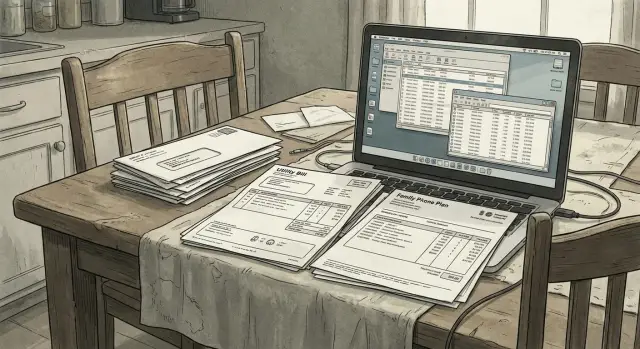
Why household accounts expose so much
Utility bills, phone plans, internet service, and similar accounts look harmless because they feel routine. But they often reveal more than a social account or shopping login. You open them with your real name, home address, and payment details, so the record starts with facts that clearly point to a real person.
That is what makes household accounts different. A power bill or family phone plan is tied to a place where people actually live. For anyone trying to piece together identity records, that kind of account carries more weight than a random online signup.
Time makes it worse. These accounts often stay open for years, and they keep changing as life changes. Payments, service visits, support notes, plan updates, and address corrections keep the file current.
Old details do not always disappear when new ones replace them. If you move, change the mailing address, or transfer the account, the earlier information may still sit in statements and internal systems. Shared plans add another layer. One bill may connect two adults, a child on a mobile line, or a roommate added for convenience.
A normal household account can end up linking:
- full legal names
- service and mailing addresses
- phone numbers tied to the home
- dates linked to moves or account changes
- former household members or authorized users
Breakups, divorces, kids moving out, and name changes make this especially messy. The account keeps moving forward, but the older version may still show who lived together, where they lived, and when things changed.
That is why everyday household records spread so easily. They are not rare or secret. They are steady, specific, and updated often.
What shared plans and bills collect
A shared household account usually holds much more than a payment method and a login. A family phone plan, internet account, or utility bill can build a detailed record of who lives in a home, who used to live there, and how everyone can be reached.
At signup, providers usually ask for a full legal name. Some also ask for a date of birth, credit check details, or identity information during setup and recovery. If someone changed their name after marriage or divorce, an older name may stay in the account history longer than expected.
Addresses pile up fast. A provider may keep the service address, the billing address, and several older addresses from past moves. Even a simple change, like sending bills to one person while service stays at another home, creates another link between people and places.
Contact details spread across the account too. Most plans store a main phone number and email, but they often keep backup numbers, recovery emails, and callback details from past support requests. On a family phone plan, a parent may add an adult child, spouse, or former partner. On a utility account, a roommate or landlord may stay listed long after moving out.
The part many people miss is relationship data. Providers often record who is an authorized user, who can call support, and who passed an identity check. That can quietly reveal family ties, living arrangements, and past household members.
A lot of this sits in account notes rather than the main profile. Support logs may mention who called, what number they used, whether they verified with a birth date, or why someone else was added. Notes like "spouse called to update billing" or "former roommate removed" sound minor, but they add context that can later be matched with other records.
A single monthly bill can end up containing current and past names, several addresses, phone numbers, emails, backup contacts, and traces of old household members. That is why utility accounts personal data matters more than most people think.
How the records spread
Most household data does not spread through one dramatic leak. It spreads because a routine signup creates several records, and those records live in different places.
When you open a utility account, join a family phone plan, or set up internet at a new address, the company often checks your name, address, payment details, and sometimes past addresses. That check may happen inside the company or through an outside service. Either way, one signup can create a fresh identity trail.
After that, copies start stacking up. The monthly bill is only one piece. The same account data may end up in the provider's billing system, a payment processor, customer service logs, fraud checks, address verification tools, and archived move or cancellation records.
Those copies do not always update together. If you move, change the account holder, or swap a payment card, the active profile may look correct while an older system still keeps the old address or old name.
This is where privacy risks on shared plans get messy. A parent may keep the phone plan in one name, another family member may pay part of the bill, and a third person may still be listed as an authorized user. Later, a broker can read those fragments as proof that all of those people belong to one household, even if the setup changed months ago.
Old addresses are especially stubborn. If service started at one apartment, moved to a house, then transferred to another person, all three steps can leave records behind. A broker does not need a perfect file. Matching the same phone number, billing email, or payment pattern across several sources is often enough.
That is how small details turn into a fuller profile. A utility record may show where you lived. A phone plan may suggest who lives with you. A payment record may confirm a shared address. Put together, those pieces can help data brokers build a household map with current residents, past addresses, and likely relatives.
One ordinary household example
Take a common setup. A parent keeps an adult child on the family phone plan because it is cheaper and easy to manage. The account holds both names, both phone numbers, and one billing address.
Then add the home internet account. It was opened years ago, and the recovery email was never updated. It still points to an old address the child used at a previous apartment. Nobody thinks about it because the internet works and the bill gets paid.
Now the family moves.
The power company updates the active bill to the new address, but the old service address stays in past statements, account history, and background records used for billing or verification.
Put those pieces together, and the picture changes quickly. One company has the parent and child tied to the same phone plan. Another has the same household tied to an old recovery email. The utility file connects the same names to a new address while still keeping the old one in older records.
A data broker can stitch that into one listing showing a parent and adult child as relatives, both phone numbers, the current address, the previous address, and an older email still tied to one account.
That is enough to help spam, scams, or identity checks that should have been harder to pass. A caller does not need every detail. If they know two phone numbers and two addresses, they already sound more believable.
This is what makes household records and data brokers a bad combination. No single account created the whole profile. It came from leftovers spread across several ordinary services.
How to check your exposure
Start with a plain inventory. Most people remember the phone plan and electric bill, then forget the water account, internet service, trash pickup, alarm system, streaming bundle, and old tablet line nobody uses.
Write down the details tied to each service:
- account name
- email address on file
- phone number on file
- service address and billing address
- anyone else listed on the account
Then compare that list with reality. Open the provider app, check old paper statements, and search your inbox for bills, password resets, and support emails. Look for stale data that never got cleaned up, like a college address, an old landline, or a parent still listed as the owner.
This is where data brokers get an easy trail. If the same old phone number, email, and address appear across several services, they are easy to match. One account alone may not say much. Five matching accounts can build a detailed profile.
Pay close attention to people who should no longer be attached. A former partner, old roommate, adult child, or parent may still have access, still get notices, or still appear in billing records. Even if they never log in, their name on the account can keep an outdated data trail alive.
A quick test helps. Pick one person in the home and ask which exact name, email, phone number, and address follow them across phone, power, internet, insurance, and delivery accounts. If you keep seeing the same combination, that is the pattern to fix first.
You do not need to solve everything in one day. First, find the repeats, stale details, and extra people. Once you can see the pattern, the cleanup gets much easier.
What to change on active accounts
Most problems start with old account settings, not a hack. A phone plan, power bill, or internet account can keep exposing names, numbers, and addresses long after the household has changed.
Start with access. If an ex-partner, adult child, former roommate, or caregiver no longer needs to view the account, remove them. Old authorized users may still see bills, call details, service history, or support chats.
Next, check account recovery. Shared recovery emails and backup phone numbers often stay in place for years. That means a password reset code, billing alert, or service notice can still land in someone else's inbox or on an old number.
A simple cleanup covers most of the problem:
- remove anyone who should no longer manage or view the account
- switch recovery options to an email address and phone number used by one current owner
- give each adult a separate login if the provider allows it
- update billing and service addresses as soon as you move
- turn off paper statements if mail might still go to an old home
One shared password is another common mistake. It feels easy, but it gives everyone the same access and makes it hard to see who changed what. Separate logins are better because you can limit access and revoke one person without resetting the whole account.
Moves create a lot of leftover data. If the service address changes but the billing address does not, old records can keep pointing to the wrong place. Paper bills make this worse. A statement sent to a former address can reveal names, account numbers, and monthly service details to whoever gets the mail.
If your old household details are already circulating online, fixing the live accounts should come first. Otherwise the same information can keep leaking back out.
Mistakes that keep data moving
Most leaks do not begin with a hack. They begin with neglect.
One common mistake is leaving an ex-partner or former roommate on an account as an authorized user. A phone plan, power bill, or internet account may still show their name, old phone number, or recovery email months after they moved out. That stale record can keep tying two people to one address long after the living arrangement ended.
Another easy miss is using one family email for everything. It feels convenient, but it gives companies and brokers a clean way to connect the phone plan, water bill, internet account, and app logins into one profile.
Old extras cause trouble too. Prepaid lines, free trials, smartwatch add-ons, and temporary hotspots often stay attached in billing systems even after you stop using them. The same goes for canceled bundles that came with a carrier plan.
Closed accounts are another trap. People assume that once the service ends, the record is gone. Usually it is not. Providers may keep archived profiles, final bills, past contact details, and identity checks for years. If you never remove old users, update contact info, or save proof of closure, those records can keep resurfacing.
A quick review usually catches the worst problems. Check every authorized user and recovery contact, split shared email addresses where possible, look for old lines and add-ons, and save account closure confirmations.
If you want to protect personal details at home, treat utility and family accounts like live records, not dead paperwork.
A simple home privacy routine
Most account problems stay hidden because nobody revisits them. A family phone plan, power bill, water service, or internet account can keep old names, old addresses, and old recovery contacts for years.
Run a short check on every household account, not just the obvious ones. Make sure every name tied to the account still belongs there. Compare the billing address with the service address. Check how each adult signs in and receives alerts. Review recovery options and remove old phone numbers, old work emails, and any address that can still receive reset codes or notices.
It also helps to search broker listings for old addresses tied to current family members. If the same household shows up across past and present addresses, the account trail is probably still active.
Do this twice a year, or after any move, breakup, divorce, or name change. If someone no longer lives there or no longer needs access, remove them now. That small cleanup can save a lot of time later.
Practical next steps
Start with the accounts that reveal the most about daily life: phone, internet, power, and water. Those records often hold full names, service addresses, past addresses, phone numbers, and dates linked to move-ins or account changes.
Keep one plain list for every active service. For each account, note who is named on it, which email and phone number are attached, the billing address, and the last time you reviewed it. A notes app or spreadsheet is enough.
Update that list after any move, breakup, divorce, account transfer, name change, or new person added to a plan. These moments create fresh records, and fresh records spread quickly.
A short review every few months helps more than most people expect. Check the account holder, contact details, service address, and recovery settings. Small edits matter.
If the same old household details keep showing up on broker sites, manual removals can turn into a part-time job. Remove.dev is one option for that stage. It finds listings across more than 500 data brokers, sends removal requests, and keeps monitoring for re-listings so old addresses, phone numbers, and family connections are less likely to pop back up.
The goal is simple: fewer names on accounts, fewer stale records, and fewer chances for your household details to spread further than they should.
FAQ
Why do utility and phone accounts reveal so much?
Because they use real-world details from the start. A utility bill or family phone plan usually ties your full name, home address, payment history, and sometimes other household members to one record.
What personal details can a shared family plan include?
They usually store more than one name, address, phone number, and email. Shared plans can also keep old contact details, authorized users, recovery options, and support notes that show who lived together or who managed the account.
Can old addresses stay on an account after I move?
Yes. The active profile may show your new address while older statements, archived records, or billing systems still keep the old one. That makes it easier for others to connect your past and current homes.
Why is it a problem to leave an ex or old roommate on the account?
Even if they never sign in, their name, phone number, or email may still link them to your address. That stale connection can keep old household details alive in company records and broker listings.
Do support notes and recovery contacts really matter?
A lot of people miss those fields, but they matter. Recovery emails, backup numbers, and call notes can expose old addresses, family ties, and extra ways to reach someone.
What should I check first on my household accounts?
Start with the basics: account holder, authorized users, recovery email, recovery phone, billing address, and service address. Then compare them with what is true today, not what was true a year ago.
Should each adult have their own login instead of one shared password?
If the provider allows it, yes. Separate logins make it easier to remove one person later without changing everything, and they cut down on shared access that tends to linger for years.
Do closed utility or internet accounts still affect privacy?
Usually, yes. Closing service does not always erase statements, past contact details, identity checks, or old user access, so those records can still surface later.
How often should I review these accounts?
Twice a year is a good default, and you should also check after any move, breakup, divorce, name change, or account transfer. Those moments often leave stale details behind.
What can I do if my old address is already showing up on data broker sites?
First fix the live accounts so the same bad data stops spreading. Then remove broker listings one by one or use a service like Remove.dev, which finds exposed records, sends removal requests, and watches for re-listings.