Medical collections scam calls and your old address
Medical collections scam calls feel real when callers know an old address or matching phone number. Learn what to check, what not to share, and what to remove first.
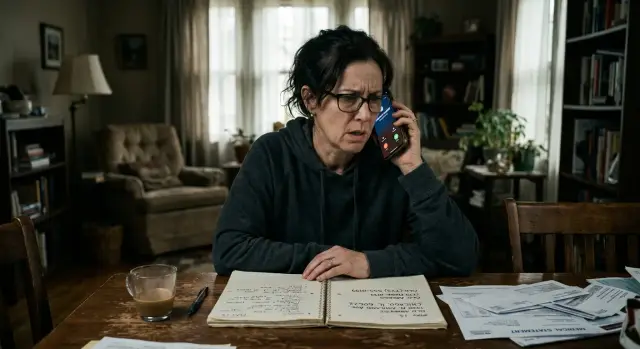
Why this call feels real
Medical collections scam calls work for one reason: the caller knows something they should not know. Maybe it's an apartment you left three years ago. Maybe it's a phone number that still shows up next to your name on an old people-search profile. One correct detail can make the rest of the story sound real.
An old address is especially convincing because it feels specific. If someone says, "You lived on Pine Street, right?" they don't sound random. Even when the debt is fake, your brain grabs onto the true part and starts filling in the blanks.
That is why past addresses work better than vague threats. Most people have moved, switched doctors, or forgotten about some old bill. When a caller ties a supposed medical debt to a place you actually lived, the claim can feel familiar enough to demand attention.
The trick is simple. Mix truth with fiction. The old address may be real. Your phone number may really be tied to it in broker records. But the debt amount, the clinic name, the deadline, and the threat of legal action can all be made up.
A phone number match adds even more pressure. If the caller reaches the number you've used for years and pairs it with an old address, it can feel like they have your full file. That is often the moment people stop questioning the story and start confirming details, answering "security" questions, or rushing to pay.
Picture a caller who says you owe $412 from a visit near your old neighborhood. They mention an address you recognize and the mobile number you still use. Even if the clinic name sounds a little off, the call feels close enough to real life that you stay on the line longer than you should.
That is what makes these scams effective. The caller does not need a complete record. One or two correct facts can be enough to lower your guard.
How callers get your old address and phone matches
Most of this information comes from data brokers and people-search sites. They collect public records, marketing files, app signups, old account data, and other scraps, then merge it into one profile. Those profiles can keep your address history for years after you move.
Your phone number gets tied in the same way. If you used the same number with a clinic, pharmacy, utility account, rental application, or online order, that connection can stick. Once a broker links that number to a former address, a caller can repeat both and sound informed.
This usually is not a hack. More often, it is cheap bulk data that has been copied, sold, and scraped over and over. That is why outdated details can stay online for years, even when parts of them are wrong.
Some profiles go further. They may show relatives, an age range, past cities, or alternate spellings of your name. None of that proves a real debt exists. It just gives the caller enough material to build a believable story.
The story does not have to be perfect. Scammers only need enough to make you pause. A current phone number plus an old street address is often enough, especially if they add a medical term, a clinic name, or a fake deadline.
Small errors are common, and that is part of why these calls work. They may have the right number but the wrong apartment. They may mention a city you left six years ago. Because part of the story sounds true, people often ignore the parts that do not fit.
The records that matter most are the ones that connect your current phone number to old addresses and identity details. When those links stay online, a fake debt call sounds much more convincing than it should.
Signs the debt story does not add up
A medical collections scam call can sound persuasive because the caller already knows one or two real details, like an old address or a phone number tied to your name. That still does not prove the debt is real. The cracks usually show when you slow the conversation down.
Common warning signs include:
- They demand payment today and say there is no time to verify anything.
- They push odd payment methods such as gift cards, wire transfers, crypto, or payment apps.
- They will not mail a notice, or they dodge basic questions about the doctor, clinic, or bill date.
- They claim your credit will be ruined within hours unless you pay right now.
- They ask you to "confirm" your full date of birth, Social Security number, or insurance details.
A real collector should be able to tell you who the provider was, the amount owed, and how to dispute it. If the caller keeps things vague, that is a bad sign. "You know what this is about" is not proof.
The payment demand often gives the scam away. Medical bills do not get fixed with gift cards from a pharmacy aisle. If someone says you must use Zelle, Cash App, crypto, or a wire because the account is "about to close," hang up.
The timeline can sound fake too. Credit reporting and debt collection do not work on a 30-minute countdown or "before the end of this call." Panic is the tool. Once people feel rushed, they stop asking basic questions.
Be careful with "verification" questions. If they called you, they should already know who they are trying to reach. Giving them your full birth date, insurance ID, or Social Security number can turn a shaky debt story into an identity theft problem.
A small example makes this easier to spot. Imagine a caller says you owe a hospital from 2019 and reads an address where you used to live. That detail could easily come from a broker profile. If they still cannot clearly name the provider or send a written notice, the old address is just bait.
If you hear two or three of these signs in one call, treat it as suspicious. A real company can send paperwork and wait. A scammer wants your money before you can think.
What to do during the call
The first goal is to slow the call down. A real collector can send paperwork. A scammer wants you anxious, talking fast, and filling in the gaps for them.
Do not confirm your date of birth, Social Security number, insurance details, current address, or even an old address they mention. If they say, "We have you at 128 Oak Street, right?" the safest reply is, "I do not confirm personal details on an unexpected call."
Ask for facts, not stories. Get the company name, mailing address, account number, callback number, and the exact amount they claim you owe. Then use one clear line and stick to it: "I will verify this on my own and contact the provider directly if needed."
That matters because these calls often sound real only because the caller already has a phone match, an old address, or part of your personal information. Those details are easy to buy, scrape, or pull from old broker records. They do not prove the debt is real.
Make notes while the call is happening. Write down the time, the number on caller ID, the name the person used, and the exact claims they made. Small details matter later, especially if the story changes when they call again.
If they threaten arrest, demand payment by gift card, push for a wire transfer, or insist you must pay "today," end the call. Do the same if they refuse to mail proof or keep pressing for more personal data. Pressure is the point. Do not reward it.
A short script helps when you feel cornered: "Send the details by mail. I do not pay or confirm information on unexpected calls."
If the caller keeps pushing, hang up. You do not owe a stranger a long conversation. After that, check your own records and contact the medical provider or insurer using contact details you find yourself, not the number from the caller.
A simple example of how the scam works
Maria gets a call on a Tuesday afternoon. The caller says he is collecting a past-due balance for an emergency room visit from six years ago. He sounds calm, not pushy. That alone lowers her guard.
Then he gives a detail that feels private. He asks whether she used to live at Elm Ridge Apartments, unit 3B. She did, but that was three moves ago. A random caller should not know that, so the story starts to feel real.
Next, he reads back the last four digits of an old phone number she stopped using years earlier. Now Maria starts thinking, "Maybe this is an old bill I missed." The caller says the balance will go to court if she does not pay today, but he can settle it for less if she uses a debit card right now.
That is the point where many people almost pay. The details are close enough to fill in the blanks. Old address, old phone, medical setting, urgent tone. Your brain does the rest.
Maria pauses and checks one thing before paying. She finds the hospital's real billing number from a statement she already has at home. The billing office tells her the account number the caller gave does not match their format. They also have no unpaid emergency room balance under her name or date of birth.
So what happened? The caller likely had pieces of broker data, not a real debt file. Old addresses and old phone matches are easy to buy, scrape, or copy from people-search sites. Add a common hospital name and a made-up account number, and the call sounds believable enough to work.
That is why these calls can feel so real. The scam does not need perfect facts. It only needs enough old data to sound familiar, then enough pressure to stop you from checking.
What to remove first to make these calls less believable
The goal is to break the pattern that makes the caller sound informed. For most medical debt scams, that means removing the records that connect your name, old addresses, phone number, and relatives in one place.
Start with people-search pages that show your full address history. Those pages often list where you live now, where you lived five or ten years ago, and the age range tied to your name. That is enough for a scammer to say, "We are trying to reach you about an unpaid balance from your old address," and sound convincing for the first 30 seconds.
After that, focus on records that tie your current phone number to those old homes. A phone number match makes the story feel much more real. If a broker profile says your cell number belongs to the same person who lived at two older addresses, the caller can stitch those details into a fake debt story that feels personal.
For most people, the removal order looks like this:
- People-search profiles with full address history
- Listings that connect your current phone number to past addresses
- Profiles that show relatives next to your name
- Duplicate profiles and name variants
- Sites that repost your data after an earlier removal
Relatives matter more than many people expect. If a profile lists your mother, brother, or former spouse next to your name, a caller can drop one family name and gain trust fast. Even if the debt is fake, the call sounds less random.
Duplicate profiles are another weak spot. One site may have your full middle name, another may use an old spelling, and a third may split your history into two records. Scammers do not care if the data is messy. They only need enough pieces to sound believable.
That is also why rechecking matters. Some brokers repost removed data after a refresh, a merger, or a new scrape. One-time cleanup often does not stay clean.
If you only remove a few listings, start with the ones that show the most cross-links. When your phone number, old homes, and relatives stop appearing together, the script gets much weaker.
Mistakes that make the problem worse
One of the easiest traps is assuming that one true detail proves the whole story. A caller may know an old address, a disconnected phone number, or the town where you lived years ago. That can sound convincing. It still does not prove the debt is real, current, or tied to the caller.
The worst move is paying before you get the debt in writing. Stress makes people want the problem gone fast, especially when the caller threatens credit damage or legal action. Slow down. A real collector can send a written notice with the provider name, amount owed, and your right to dispute it.
Another mistake is correcting the caller. If they read an old address and you reply with your current one, you have just updated their file. The same goes for giving them a better phone number. Scammers often start with stale data from broker sites, then use your corrections to make the next call sound more believable.
People also share too much when they try to prove they are not the patient. They mention insurance details, dates of treatment, family members, or the clinic they actually used. It feels harmless in the moment. It gives the caller more pieces to work with.
Calling back right away can make things worse too. Spoofed numbers can look local or even resemble a hospital switchboard. If you want to check the claim, hang up and find the medical provider or insurer through a bill, insurance card, or patient portal. Do not trust the number from the voicemail alone.
A simple rule helps:
- Do not pay during the first call.
- Do not correct personal details.
- Do not share insurance or medical account information.
- Do not use the callback number until you verify it another way.
Old address debt scams work because the stale data feels specific. Remove the data, and the story gets weaker.
A quick checklist before you pay or share anything
A caller may know your phone number, an old address, or the last four digits of an account. That feels personal, but it is not proof. Before you pay, confirm anything, or share more details, stop and check a few basics.
- Ask for the exact medical provider name, date of service, and amount owed. If the caller stays vague or keeps repeating the balance without clearly naming the clinic or hospital, treat that as a warning.
- Ask them to send a written notice by mail. A real collector should be able to do that. A scammer usually has a reason you must act now.
- Compare the account number with your records. Check old bills, insurance statements, and patient portal messages. If the number matches nothing you have, do not move forward.
- Do not trust caller ID. End the call and check the number later. Contact the provider or collection office using a number from your own paperwork.
- Notice how they want payment. Requests for gift cards, crypto, wire transfers, Zelle, or payment apps are a bad sign.
One more thing: do not fill in gaps for them. If they ask, "Is your address still 14 Maple Street?" do not answer with the correct one. If they ask you to confirm your date of birth, insurance ID, or Social Security number, stop there. The call gets stronger every time you verify something.
A real debt can still be checked tomorrow. Pressure is the scammer's best tool. Slow the call down, write down what they claim, and verify it on your own before you share a cent or a single extra detail.
What to do next
Start by checking what a scammer can see in two minutes. Search your full name, old addresses, and current or past phone numbers. If a caller knew an apartment you left five years ago, that detail may still be sitting on a people-search page for anyone to use.
These calls get a lot less convincing when those old matches stop showing up online. You do not need to check every site at once. Focus on the pages that connect your name to past homes, relatives, and phone numbers.
A practical way to do it:
- Search your name in quotes, then search it again with an old city, street name, or phone number.
- Write down the broker pages that show the worst combinations of details, especially old addresses tied to your current number.
- Submit removal requests to those sites first.
- Check again in 30 to 60 days, because records often come back.
Keep your tracking simple. A notes app or small spreadsheet is enough. Save the site name, the page you found, the date you asked for removal, and whether the listing came back later.
If you want a clear priority, start with records that make the scam believable. A stale address alone is bad. A stale address plus your phone number is worse. Add age, relatives, or email, and the caller can sound real enough to pressure you.
Doing this by hand works, but it gets tedious fast. Many brokers copy from each other, so one bad record can spread. If you do not want to chase removals across dozens of sites, Remove.dev handles removals across over 500 data brokers and keeps monitoring for re-listings, so the same old profile is less likely to keep feeding scam callers.
The next step is small. Run the first search, save the first three broker pages you find, and remove those first. Even that can cut down the details a scam caller uses against you.
FAQ
Why does an old address make a scam call sound real?
Because one true detail can lower your guard. If a caller knows a place you really lived or a phone number tied to your name, the rest of the story can feel real even when the debt is fake.
How do scammers get my old address and phone number?
Most often, they get it from data brokers and people-search sites. Those sites pull together public records, old account data, app signups, and marketing files, then keep outdated address and phone matches online for years.
Does knowing my old address mean the debt is real?
No. An old address only shows the caller found some of your data somewhere. It does not prove the bill exists, that the amount is right, or that the caller has any right to collect it.
What should I say if I get one of these calls?
Keep it short and do not verify anything. You can say, "Send the details by mail. I do not confirm personal information on unexpected calls," then end the call if they keep pushing.
What details should I never confirm on the phone?
Do not confirm your date of birth, Social Security number, insurance ID, current address, or even an old address they mention. If they called you, they should already know who they are trying to reach.
Are same-day payment demands a red flag?
Yes. A real bill does not need gift cards, crypto, wire transfers, Zelle, or a payment app to get resolved. Fast payment demands and threats about paying "today" are common scam signs.
How can I verify a medical debt safely?
Hang up, then contact the provider or insurer using a number from your own bill, insurance card, or patient portal. Ask for the date of service, amount owed, and whether the account number matches their records.
What data should I remove first to make these calls less believable?
Start with people-search pages that show your full address history. After that, remove listings that connect your current phone number to old addresses, plus profiles that show relatives and duplicate records under name variants.
Will removing people-search listings actually reduce these scam calls?
Usually, yes. When your name, old homes, phone number, and relatives stop appearing together, the caller has less to work with. The scam story gets weaker because it sounds less personal.
Can Remove.dev help with old-address scam calls?
If you do it yourself, search your name with old cities, street names, and phone numbers, then submit opt-out requests to the worst listings first. If you want it handled for you, Remove.dev removes data from over 500 brokers, watches for re-listings, and most removals finish within 7 to 14 days.