Moving company balance-due scams and the public trail
Moving company balance-due scams often start with quote forms, old addresses, and move updates. Learn how the trail forms and what to check.
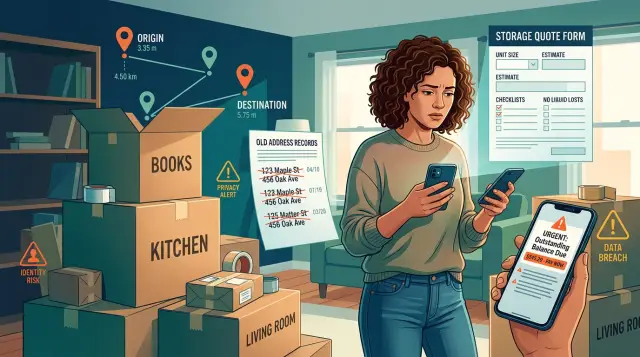
Why this scam feels real
A move already has loose ends. You might pay a deposit weeks in advance, get a final bill later, add storage for a few days, or approve a last-minute schedule change. So an unexpected payment message can feel normal, even when it is fake.
That is why this scam works. The sender does not need your full file. A few real details are enough. If they know your old address, your new city, your move week, or the name of a company you contacted, the message stops feeling random.
People lower their guard fast when a note mentions an address they just left or a date that matters. Moving is stressful. Most people are already dealing with boxes, utility shutoffs, lease paperwork, and too many texts. In that state, a message like "Your remaining balance is due before unloading" can sound believable in seconds.
Timing matters just as much as the details. Scammers push for payment right away. They say the truck will be delayed, your time slot will be lost, or your items cannot be released until the balance clears. That pressure keeps you from doing the one thing that would expose the lie: checking the original estimate, calling the mover on the number you already have, or reading the invoice closely.
On a normal week, you might catch a small mistake. During a move, it is easy to miss. If someone contacts you with two real facts and one urgent demand, your brain tends to focus on the facts. The demand slips through.
That is what makes this scam convincing. It does not need a perfect story. It just needs to sound close enough to the messy reality of moving that you act before you verify.
The trail you leave before move day
Most people do not share their whole moving plan in one place. They leak it in pieces.
A quote form asks for your name, phone number, current ZIP code, destination city, and move date. A storage request adds more, like how long your belongings might sit between homes or the week you expect delivery. None of that feels dangerous on its own. Together, it is enough to make a fake balance-due message sound real.
Quote sites are often the first leak. You may ask a few companies for estimates, but your details can travel further than you expect through lead forms and shared marketing systems. If someone calls later and already knows your first name and your move week, the message sounds much more believable.
The trail gets longer once you start changing services. Mail forwarding, utility shutoff dates, internet transfers, and address updates all add timing. Old addresses can stay visible on people-search sites for years, even after you have moved more than once. That gives scammers an easy way to mention a real street and lower your guard.
Public posts can finish the puzzle. A photo of packed boxes, a note about closing day, or a joke about sleeping on an air mattress tells strangers where you are in the process. Now the scammer knows when to send the fake invoice, the "final balance" text, or the call about a delayed truck.
A believable scam often needs only four things:
- your name
- one real address
- a rough moving date
- a phone number or email
That is why old address privacy matters before the move, not just after it. If your details are already sitting on data broker sites, they can be stitched together fast. If you want less of that information floating around, services such as Remove.dev remove personal data from broker databases so there is less for strangers to work with.
How the pieces get stitched together
These scams rarely start with a complete profile. Usually, the scammer has a few scraps that fit together well enough to sound real.
A phone number is often the anchor. If you used it on a moving quote site, a storage inquiry, or a utility setup form, that same number may also appear in broker listings, old leaks, or public records. Once the number matches your name, an old address often shows up with it.
That old address matters more than people think. It helps connect your past home to your current plans. A scammer who sees you tied to one address for years, then notices a recent moving or storage inquiry, can make a pretty good guess that a move is happening now.
Timing does the rest. Maybe you asked for a storage quote on Tuesday and got a few follow-up calls. By Friday, a text says your "remaining balance" must be paid before release or delivery. Even if the sender does not know your full inventory, truck size, or actual mover, the message lands when you are busy and already expecting move-related updates.
That is usually enough context. They may mention your old street name, part of your phone number, a recent city, or a storage date window. Each detail feels small by itself. Put them together, and they sound like proof.
Scammers do not need a complete picture. They need a believable sketch. The fewer records there are tying your name, phone number, and old addresses together, the harder it is to build that sketch.
A simple example of the scam
Say you are moving from Denver to Phoenix. You fill out two moving quote forms and one storage form because you are still deciding what fits in the truck and what might need to sit in storage for a week.
That seems harmless, but each form gives away a little: your name, phone number, move window, and the cities tied to the move.
Your old address is still listed on a people-search site. Now a scammer has one more piece. They can match your name to an old street address, relatives, and sometimes a second phone number. That is often enough to sound convincing.
Three days before pickup, you get a call. The person says they are "with dispatch" and reads back your route, your old address, and the pickup window. Then they mention a storage hold, even though you only asked for a storage quote and never booked it.
That detail changes the feel of the call. It no longer sounds random. It sounds like they have your file.
Then the pressure starts. The caller says your crew cannot be released until you pay the remaining balance today. They do not ask you to use the payment method listed in your paperwork. They push for Zelle because it is "faster" and claim the normal billing system is down.
A real mover may ask for money before pickup or delivery, but the pattern is usually different. The phone number matches earlier emails or documents. The amount matches your estimate. The office can confirm it. The payment method is the same one you were told about when you booked.
The ugly part is how ordinary the trail looks. No single detail gives you away. It is the mix of quote requests, an old address listing, and timing close to move day that makes the fake call feel real.
What a real mover usually does differently
A real mover does not ask you to trust a vague message. The request usually matches the paperwork you already have: the company name, your move date, your inventory, and the terms you signed.
That sounds obvious, but fake balance-due messages copy the tone of a normal follow-up while changing one or two details. The message may look close enough to pass a quick glance. A real request still makes sense when you slow down and compare it with your documents.
Most legitimate movers follow a simple pattern. If you owe more money, the reason is usually clear in writing before anyone asks you to pay it.
- The company name matches your estimate, confirmation, or bill of lading.
- The amount fits the written terms, such as added services, extra weight, or storage time.
- The payment method matches what the company told you earlier.
- If anything changes, you get updated paperwork, not just a text.
For example, if your contract says the final price can rise when the shipment weighs more than estimated, a real mover can point to that exact section. They do not just text, "Pay $680 now to avoid delay," and send you a payment handle under a different name.
Verification is another giveaway. A legitimate mover will not mind if you hang up and call back through the number on your contract, estimate, or official invoice. That is normal. Good companies expect it.
Watch the payment instructions closely. Sudden switches are a bad sign. If you were told to pay the office by card or certified funds, a last-minute request to send money to a personal account should stop you cold. Real companies make mistakes too, but they can confirm changes through the main office and send paperwork that matches.
When a payment message arrives, do one boring thing first: pull out the original documents and compare every detail. Scammers count on stress and hurry. Real movers can survive a five-minute verification call.
How to reduce your exposure step by step
The safest move is a quieter one. These scams work when small bits of your move leak into too many places, then get turned into a story that sounds real.
Start with a separate email address for moving quotes, storage questions, and utility setup. That keeps random follow-ups in one place. If a fake balance notice shows up there, it is easier to spot than when it lands next to real bills and work messages.
Be picky about where you send forms. Quote sites often pass your details around, and every extra form creates another copy of your phone number, old address, or move date. Contact only companies you might actually hire. If a form asks for a lot before giving basic company details, skip it.
Keep your move off public posts until it is done. A goodbye message, a photo of boxes, and a mention of your new city may feel harmless. Together, they give a scammer timing, route clues, and a reason to contact you.
It also helps to keep your real mover details in one note on your phone or in a paper folder:
- the company name and phone number
- your contract or estimate number
- the deposit you already paid
- the exact payment terms for the balance due
When a text or call comes in, you can check it against that note in seconds instead of guessing.
Old address listings matter too. If your previous address is still sitting on people-search sites and data broker pages, it becomes much easier to make a fake message sound specific. If you can, start removing those listings before the move. Doing it by hand takes time, so some people use Remove.dev to send removal requests to more than 500 brokers and keep watching for relistings after the first round.
You do not need to disappear from the internet. You just need fewer loose details, fewer copies of your data, and one clean record of what your mover actually told you.
Mistakes that make the scam easier
Most of these scams work because the same few details show up in too many places. A phone number on three quote sites, a move date in a public post, and an old address still floating around online can be enough to build a very believable story.
One common mistake is using the same phone number everywhere. If you request estimates from movers, storage companies, truck rentals, and utility providers with one number, that number becomes the thread that ties your move together.
Public posts cause trouble too. People share their moving date in neighborhood groups, apartment forums, or social posts without thinking about who can see it. Even a casual note like "Moving out next Friday, boxes everywhere" gives timing that makes a fake balance-due call feel urgent.
Another easy trap is trusting a caller because they know your old street. That detail is not private as often as people think. Old listings, people-search sites, cached rental ads, and change-of-address traces can all expose it. If someone says, "This is about your move from Oak Street," that is not proof they work for your mover.
The payment mistake is worse. Once money goes out by wire, gift card, or app transfer, it can be hard to get back. A real moving company might ask for payment, but they should also be able to point you to the signed contract, the original estimate, and company contact details you already had before the call.
Old address listings staying online after the move keep the scam alive longer. They help strangers connect your past address, name, and phone number months later. That is why old address privacy still matters after the truck is gone.
A simple rule helps: if a caller creates panic and asks for fast payment, stop. Look up your mover from your own paperwork, call back on the number you already trust, and check the contract before you send a dollar.
Quick checks before you pay anything
Panic is the scammer's best tool. If someone says your move will stop unless you pay right now, slow the whole thing down. A real charge can wait long enough for you to verify it.
Start with your contract. Read the amount line by line and compare it with the new demand. Look at the base price, added services, packing charges, storage fees, fuel, and any balance already paid. In many scams, the total is close enough to feel real, but one or two line items do not match what you agreed to.
Then confirm the request through contact details you already trust, not the ones in the text, email, or voicemail. Call the mover using the number you saved earlier, the one on your original paperwork, or the number from a past confirmed call. If the person who answers cannot find the charge quickly, treat that as a warning.
A short checklist helps:
- Ask them to send the invoice or bill of lading again and compare it with your copy.
- Check the date, job number, pickup address, and delivery address for small errors.
- Look at the payment method. If they suddenly want gift cards, crypto, wire transfer, or a different payment app, stop.
- Compare the payee name with earlier receipts or deposit records.
- If they give you a countdown like "pay in 10 minutes," end the call.
Small changes matter. A scammer may know your old address, your new city, and the rough timing of the move, but still miss the exact truck number or the payment method your mover uses. That is often where the story falls apart.
If you feel rushed, do nothing for 15 minutes. Open your files, call back on a trusted number, and make them prove the charge before any money leaves your account.
What to do if a message already reached you
The first rule is simple: do not help the scammer improve their story. If you get a text, email, or call about a surprise balance due, do not reply with your new address, move date, storage details, or the name of your mover. Even a short answer like "Yes, that is my move" gives them something useful.
Save everything before you do anything else. Take screenshots of the text thread, the email, the invoice, the sender address, and the caller ID. If they left a voicemail, keep it. Small details matter later, especially if the scam shifts from text to phone.
A quick response plan works better than a long argument with the sender:
- Contact your real moving company using the number from your contract or official paperwork.
- Ask whether any balance is actually due and whether they sent the message.
- Call your bank or card issuer if you already paid, or if the message pushed you to pay by card.
- Report the charge as suspicious if the payment looks wrong.
If the first message came by email, treat your inbox as the weak spot. Change your email password, then update the password for any moving, storage, or utility accounts that use the same login. If you reuse passwords, fix that now.
It is also smart to warn the people around you. A scammer may call a spouse, parent, or roommate and say they are "helping with your move." Tell family members not to confirm your address, dates, or payment details. One careless answer can make the next call sound much more real.
If you feel rushed, pause. Real movers can explain a balance with paperwork you already have. Scammers rely on speed, confusion, and odd payment methods. A five-minute check with the actual company can save a lot of money and stress.
Next steps after the move
The risk does not end when the truck leaves. For a few weeks, your old and new details often float around at the same time. That overlap is why this scam can still look believable after move day.
Start with a simple search. Look up your full name, phone number, old address, and your name plus the new city. You are not trying to find everything at once. You are checking whether your move left easy breadcrumbs for strangers to follow.
If you find people-search listings or broker pages, remove them as soon as you can. Then check again later. Data gets reposted, copied, and bundled, so one cleanup round is rarely enough.
A good after-move routine is simple:
- Search for your name, phone number, and old address in the first week after the move.
- Save screenshots of listings before you request removal.
- Recheck a few weeks later to see what came back.
- Repeat the search every couple of months for a while.
Keep your mover paperwork in one place too. Save the estimate, bill of lading, invoice, payment receipts, and any texts or emails about delivery or extra charges. If someone contacts you later and claims you still owe money, you can compare their story with your records in minutes instead of guessing under pressure.
A small folder helps more than people expect. If a caller says, "You still owe $480 for storage," you can check whether storage was ever on your invoice at all.
If doing all of this by hand sounds like a chore, that reaction is fair. Remove.dev automates removals across more than 500 data brokers, monitors for relistings, and lets you track requests in one dashboard. That kind of cleanup will not stop every scam, but it can make it harder for strangers to build a believable story from your old address and contact details.
After a move, the best habit is boring and effective: check what is public, remove what you can, and keep your records easy to reach. Scammers do best when your details are scattered. They do worse when you can verify everything quickly.
FAQ
How can I tell if a moving balance-due message is fake?
Treat it as suspicious until it matches your paperwork. Compare the company name, amount, job number, and payment method with your estimate or bill of lading, then call the mover on a number you already had before the message arrived.
If the sender pushes for fast payment, uses a different payment method, or cannot confirm the charge through the main office, do not pay.
Why do scammers know my old address or move date?
Because your move often leaks out in small pieces. Quote forms, storage requests, utility changes, public posts, and old broker listings can give away enough detail to make a fake message sound real.
A scammer does not need your full file. Your name, one real address, a rough date, and a phone number are often enough.
Should I pay a mover through Zelle or another payment app?
Usually, no. If your mover originally told you to pay by card, certified funds, or another office method, a last-minute switch to Zelle, Cash App, wire transfer, crypto, or gift cards is a bad sign.
Some companies do use apps, but they should be able to confirm that through the office and send paperwork that matches your contract.
What should I do first if I get an urgent payment call during move week?
Pause and verify before you do anything else. Pull up your contract, check the amount, and call the company using the number from your original documents.
A real charge can survive a five-minute delay. Pressure is there to stop you from checking.
Are moving quote sites part of the problem?
They can be. Many quote forms collect your name, phone number, current ZIP code, destination city, and move window, and those details may get shared beyond the company you meant to contact.
The safer move is to use only a few trusted companies and avoid forms that ask for a lot before showing clear business details.
Can old address listings really make this scam easier?
Yes. Old people-search and broker listings help strangers connect your name, phone number, and past home, which makes a scam message feel specific instead of random.
That is why old address cleanup matters before and after a move, not just months later.
What details should I keep handy before move day?
Keep one simple record with the mover's name, phone number, contract or estimate number, deposit amount, and the exact terms for the final payment. When a text or call comes in, you can check it in seconds instead of guessing.
Saving your estimate, bill of lading, and receipts in one folder also makes later disputes much easier.
What if I already replied to the message or sent money?
Stop replying to the sender and save everything first. Keep screenshots, emails, caller IDs, voicemails, and any invoice they sent, then contact your real mover through trusted contact details.
If you already paid, call your bank or card issuer right away and report the charge as suspicious. If the message came by email, change that password and any reused passwords.
How can I reduce my exposure while planning a move?
Use a separate email for move-related forms, limit how many quote sites you use, and keep your move off public posts until it is over. Small changes like that cut down how much timing and route information strangers can piece together.
It also helps to search your name, phone number, and old address after the move so you can remove leftover listings.
How does Remove.dev help with moving-related scams?
Remove.dev helps by finding and removing your personal data from more than 500 data brokers, then watching for relistings and sending new removal requests when needed. That gives scammers less public information to stitch into a believable moving story.
Most removals are finished in 7 to 14 days, and you can track requests in one dashboard. It will not stop every scam, but it can make you a much harder target.