Old car ads after selling can trigger toll scam issues
Old car ads after selling can leave your name, number, plate, and photos online, making it easier for toll and parking scammers to tie a sold car back to you.
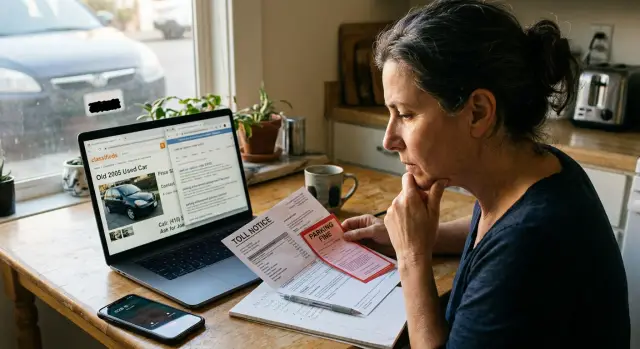
Why scams keep showing up after the sale
Selling the car ends the transaction. It does not always end the data trail.
An old listing can stay online for months through marketplace copies, dealer mirror pages, scraper sites, search caches, and saved screenshots. That leftover trail gives strangers enough detail to build a story that sounds real. A toll notice, parking claim, or text about "your vehicle" feels more believable when the sender knows the make, model, color, area, and sometimes even part of the plate or VIN.
That is why old car ads can keep causing trouble after the sale. The car is gone, but the ad can still point back to you.
A typical listing often leaves behind more than people expect: photos showing the plate, a permit sticker, or your driveway; the exact trim, mileage, and sale date; a phone number or email used for the ad; and a suburb, postcode, or meeting area. Even worse, copies can appear on sites you never used yourself.
Scammers do not need a full identity profile. They just need enough detail to make you stop and think, "Maybe this is real." If they know you recently sold a silver Honda in Brisbane, a fake unpaid toll message does not feel random anymore.
The same trick works with parking claims. A scammer can mention a plate from an old photo, say the car was seen in a private lot, and push you to pay before you stop and check the sale date. Some skip letters and go straight to texts or phone calls because pressure works better in the moment.
Old ads matter because online copies linger. Search snippets, archived pages, screenshots, and data broker records can keep basic facts visible long after the original post is gone. That stale information is often enough to connect the car to the person who listed it first.
If you want to remove personal data online, treat the listing as more than a one-time sale post. It can stay useful to scammers long after it stops being useful to buyers.
Why old vehicle ads stay online
A car ad rarely stays in one place. You post it once, then it gets copied by partner pages, scraped by smaller sites, and saved by search engines. Deleting the original helps, but it usually does not remove the copies.
That is why old listings can linger for months. The page itself may be gone while search results still show the title, price, city, and a thumbnail image. Sometimes image search keeps the sale photos even after the listing no longer opens.
Search engines are only part of the problem. Car forums, local groups, and repost pages often keep old sale posts because nobody goes back to clean them up. If another user quoted your ad text or reposted your photos, that version can stay live long after your own post disappears.
Screenshots make it worse. A buyer, random browser, or scraper can save the ad in seconds. That copy may include your phone number, part of the plate, the VIN, your first name, or a photo taken in front of your home.
Even partial leftovers can keep you exposed. One site may still show the model and price. Another may keep the photo set. A cached snippet may still show your phone number. Put those fragments together and someone can match the listing to a real person without much effort.
That is what makes stale vehicle listings so stubborn. They spread in pieces, and each piece can survive on a different site, in a search index, or in someone's saved files. You do not need a full live ad for trouble to start. A few old details are often plenty.
What details can tie the ad to you
Scammers usually do not need your full identity. They just need enough small clues to feel sure they found the right person.
A partial phone number is a good example. If an old ad still shows the last two or four digits, that can be enough when paired with other details. A scammer may compare those digits with numbers from social media, forum posts, or people-search pages until one match looks right.
The car itself narrows things down fast. Your city, make, model, trim, color, and even a rare wheel package can reduce a huge pool of sellers to one or two people. If a cached result says "2018 black Honda Accord Touring in Austin" and also shows part of your number, that can point to a real person pretty quickly.
Photos make the match easier. A visible plate is the obvious risk, but it is not the only one. A VIN on the dashboard, a house number in the background, a custom sticker, or a driveway shot all add context. One image may show the street. Another may show the same car parked outside your home. Together, that is enough.
A few clues do most of the work:
- partial phone digits
- city and exact trim
- visible plate or VIN
- your first name in a profile or message reply
That last one matters more than people think. A seller profile that says "Mike" or a reply signed "Thanks, Mike" can fill in the final gap. Once someone has a name, a car, and a location, fake toll notices and parking claims start to sound convincing.
An old ad does not need to show everything. It only needs to show enough.
How the scam usually works
Most of these scams start with a search, not a hacked account. A scammer finds an old vehicle listing, a cached copy, or a repost that never got taken down. Even after the car is gone, the page can still show enough detail to make a fake claim sound official.
They pull a few facts from the ad and build a story around them. It might be the make and model, the color, the town, or the date the listing was active. If your phone number or email was on the page, they can contact you directly and sound like they know exactly which car they mean.
Then comes the demand. Usually it is an unpaid toll, a parking fee, or a notice that a small balance has started to grow. The amount is often modest on purpose. A request for $27 or $46 feels more believable than a huge bill, so people are more likely to pay first and question it later.
The pattern is simple:
- You get a text, email, or call about a car you used to own.
- The sender includes one or two real details from the old ad.
- They say a fee is overdue and will rise fast if you do not act now.
- They push for payment or more personal details before you check the dates.
That last step is the whole trick. The scam works by creating urgency before you have time to think, "Wait, I sold that car months ago." Once you compare the claimed date with your bill of sale or transfer record, the story often falls apart.
Real toll or parking issues can happen, of course. But scammers count on panic, and old car ads give them enough detail to sound real for a few minutes. Sometimes that is all they need.
A realistic example after a private sale
Take a simple case. Maya sells her old hatchback through a marketplace app. The buyer pays, signs the paperwork, drives away, and says he will handle the registration transfer that week.
Maya feels done with it. Most sellers would.
The problem is that her ad does not really disappear. The main listing is gone, but a copied version still sits on another site, and a cached result still appears in search. Her phone number is visible. So are the car's make, color, year, and a few photos.
One photo shows part of the license plate. Another shows a parking permit on the windshield. The ad text mentions the area where she used to commute. That is more than enough for someone to connect the car to a real person.
Meanwhile, the buyer keeps driving the car and delays the registration update. Maybe he is careless. Maybe he wants to avoid fees for a few more weeks. Either way, toll cameras and parking systems may still tie the vehicle to older records for a while.
A month passes, then two. Maya forgets about the sale.
Then she gets a text one evening. It says she has an unpaid toll balance and a parking penalty linked to her vehicle. The message includes the right model, the right color, and the area where the car was often parked. It looks real because those details came from the old ad.
The pressure starts immediately: pay now, extra fees begin tomorrow, the case may go to collections.
That is the risk. Even when you no longer own the car, old pages can leave enough breadcrumbs online for someone to match the vehicle to you months later. And if your phone number is still sitting in an old listing, they do not need to guess where to send the threat.
How to check what is still visible
Start with the details most people reuse across ads. If an old listing is still indexed somewhere, a scammer does not need much to connect the vehicle to you.
Run a few narrow searches:
- search your phone number in quotes, then try common spacing formats
- search the plate only if it was ever visible in the ad or photos
- check image results for the car, your driveway, house number, or nearby street signs
- look beyond the original marketplace and check smaller classified sites, forums, and repost pages
- review cached snippets that still show contact details after the page is gone
Be patient with image results. A deleted listing may disappear from the main page while the photo thumbnail stays visible much longer. That matters because a driveway shot, a reflection in the paint, or a plate frame can give away more than you expect.
It also helps to search like a stranger would. Use the make, model, color, year, and town, along with your first name or phone number if either appeared in the listing. Reposts are often sloppy copies, so the title may change while the contact details stay the same.
When you find something, save screenshots right away. Capture the full page, the search result, and any visible date. If the content disappears later, you still have proof of what was public. That makes removal requests easier and gives you something to point to if a fake toll or parking claim starts tracing back to you.
If your details have spread beyond listing sites and into broker pages, manual cleanup gets tedious fast. Remove.dev focuses on removing personal data from over 500 data brokers and keeps monitoring for re-listings, which can save a lot of repetitive work.
How to clean it up step by step
Start with the original ad. If you still have access, delete it. If the site will not let you delete it, edit every field you can first. Remove your phone number, email, plate photo, VIN, location clues, and any note about where the car was parked or viewed.
Then look for copies. Car ads often get scraped by repost sites, forum threads, price trackers, and search previews. Search the make and model with your old phone number, plate, partial VIN, and the exact wording you used in the ad. If you find a copied listing, ask that site to remove it rather than just hide it from search.
A simple order helps:
- Delete or edit the source listing.
- Remove copied listings on other sites.
- Ask search engines to refresh outdated snippets and cached results.
- Take down public photos that show the plate, your house, or paperwork.
- Save proof of every request you send.
Cache cleanup matters more than people think. Even after a page is gone, search results may still show your number, street, or a line saying the car is parked near a certain place. When that happens, request a cache update so the old snippet disappears too.
Photos need their own review. Zoom in on every image you posted, including social apps and marketplace profiles. A driveway, parking permit, insurance card, or reflection in a window can give away more than the ad text.
Keep a dated record as you go. Save screenshots before and after removal, confirmation emails, ticket numbers, and the date each site replied. If a scam shows up later, that timeline helps you dispute it faster.
If your contact details have spread into data broker pages, this is where a service like Remove.dev can fit in naturally. Its system sends removal requests under privacy laws such as CCPA and GDPR, checks for re-listings, and saves you from handling each broker one by one.
Mistakes that keep the problem alive
One of the easiest ways to help a scammer is leaving a "sold" ad live for weeks. The buyer already has the car, but the listing still shows photos, a rough location, and a contact number. That is enough for someone to tie an old vehicle to you and send a fake demand that sounds believable.
The phone number is often the biggest leak. Many people use the same mobile number on car sites, marketplace apps, and public profiles. Once that number appears in one ad, it becomes much easier to connect it with your name elsewhere.
Photos cause trouble too. A clear plate shot is the obvious risk, but smaller details matter just as much. A VIN tag on the dashboard, a parking permit, or your house number in the background can reveal more than you meant to share.
Another common mistake is thinking one delete button fixes everything. It does not. Marketplace copies, cached search results, reposts, and saved image previews can stay up long after the main ad is gone. It is safer to assume copies still exist until you check.
Many sellers also ignore data broker sites because they do not seem related to the car sale. That is a mistake. If your phone number, old address, and family names still appear on broker pages, they fill in the gaps that the old ad leaves behind.
A safer routine is simple:
- remove the listing as soon as the sale is complete
- use a separate email or temporary number for marketplace messages when possible
- check every photo for the plate, VIN tag, permits, and house numbers before posting
A final check before you move on
Before you forget about the sale, do one last sweep. A few scraps online can be enough for someone to tie you to a car you no longer own.
That is why old car ads matter after the sale. Scammers do not need much. A phone number, a photo with the plate, and a cached listing can be enough to make a fake toll or parking claim sound real.
Check these points:
- search your phone number in quotes and remove any old listing or forum page that still shows it
- search the car by make, model, year, and a few words from the ad, then check image results too
- see whether the plate appears anywhere public, including thumbnails and old social posts
- keep proof of the sale date, including the bill of sale, transfer record, buyer messages, and plate return paperwork if that applies where you live
- check whether your name or address appears on data broker sites
If you find one loose end, assume there may be more. Search on a different device or in a private window. Results can look different when you are logged in.
A useful rule is this: if a stranger can find your old ad, identify the car, and connect it to your current phone number or address in under five minutes, there is still cleanup left to do.
What to do next
Start with what you can control today. If you still have access to the account where you posted the car, delete the listing, remove old photos, and clear anything tied to your phone number or email. Old sale posts often stay visible longer than people expect.
Then gather proof that the sale is over. Put the bill of sale, transfer confirmation, plate return record if that applies in your area, buyer messages, and dated screenshots into one folder. If a toll or parking scam shows up later, you do not want to dig through months of texts while a deadline is ticking.
Keep the follow-up simple:
- delete or edit the copies you still control
- save every sale record in one folder
- screenshot cached listings that still show your details
- check again in 30, 60, and 90 days
Cached pages and reposted ads are the part many people miss. One deleted listing does not always solve it. Aggregator sites, forum reposts, and copied photos can keep enough detail online to connect the car back to you.
If you find copies you cannot remove yourself, document them first. Take screenshots, note the date, and keep a list of where they appeared. That record helps if you need to dispute a claim or show where your data was exposed.
If the cleanup starts eating up your time, Remove.dev is one way to handle the broker side of the problem. It removes personal data from over 500 data brokers, monitors for re-listings, and lets subscribers track requests in real time. That will not erase every old car photo on the internet, but it can cut down the personal information that makes these scams stick.
The next step is not glamorous, but it works: remove what you can now, save every sale record, and check again before someone else finds the leftovers.
FAQ
Why am I still getting toll or parking texts after I sold the car?
Because the sale ends your ownership, not the online trail. Old ads, copied listings, search snippets, and saved screenshots can still show enough detail to make a fake toll or parking claim sound real. If the message mentions the car, do not pay first. Check the claimed date against your bill of sale or transfer record.
What parts of an old car ad can expose me?
The usual leaks are your phone number, email, partial plate, VIN, first name, suburb, and photos taken near your home. Even small clues can be enough when they are combined with the car's make, model, color, and year. One old photo with a plate or driveway can do a lot of damage.
Is deleting the original listing enough?
No. Removing the original post helps, but copies often stay on scraper sites, forum reposts, image results, and search caches. You need to look for duplicates and outdated snippets too, then ask for removal or a cache refresh where needed.
How can I check if my old car ad is still visible online?
Start by searching your phone number in quotes, then try the car's make, model, year, color, and town. Check image results as well, since thumbnails can stay up after the page is gone. When you find a match, save a screenshot before you try to remove it.
What should I remove first if the listing is still up?
Take down anything that directly points to you first. That usually means your phone number, email, plate, VIN, house number, parking permits, and photos taken in your driveway or street. If the ad cannot be deleted, edit every field you still control and strip it back as much as possible.
Can search results still show my number after the page is deleted?
It can. Search engines may keep an old title, thumbnail, or text preview for a while after the page is gone. If the snippet still shows your number or location, request a refresh so the outdated preview disappears too.
How do I tell a real toll notice from a scam?
Pause before doing anything. Look at the claimed date, amount, and vehicle details, then compare them with your sale paperwork. If you want to verify it, contact the toll road or parking operator through their official channel, not the phone number or payment page in the message.
What documents should I keep after a private car sale?
Keep the bill of sale, transfer confirmation, buyer messages, plate return record if that applies where you live, and screenshots of the old ad. Put everything in one folder with dates. If a claim shows up months later, you can answer it faster and with less stress.
What if the buyer never transferred the registration?
You should act fast. Report the sale through the proper channel in your area if you have not done that already, then keep proof that you handed the car over on a specific date. That will not erase old ads, but it gives you a clear defense if someone tries to pin later tolls or parking fees on you.
When should I use a service like Remove.dev?
A service like Remove.dev makes sense when your contact details have spread beyond the ad itself. It focuses on removing personal data from over 500 data brokers, keeps checking for re-listings, and tracks requests in one dashboard. It will not erase every copied car photo, but it can cut down the personal details that make these scams easier to sell.