Old rental listings phone number: why it keeps showing up
Old rental listings phone number issues often come from syndication, cached pages, and copied ads. Learn where details persist and how to get them removed.
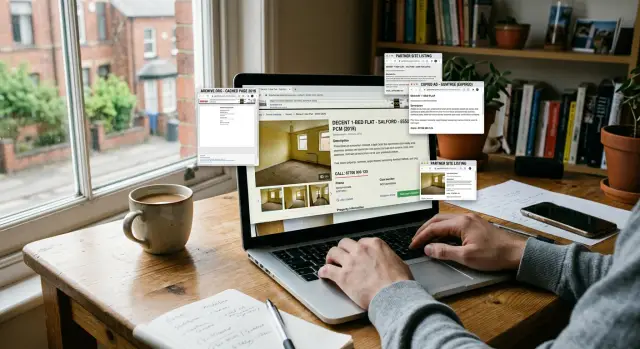
Why old rental ads keep causing problems
When a rental is taken, the ad often outlives the listing. The page may be gone, but your phone number can still show up in search results, page previews, and cached copies. That keeps a direct line to you online long after the apartment is off the market.
That is more than annoying. Old ads are easy bait for spam callers and scammers because they expose a real number that likely belongs to someone who answers calls from strangers. One stale listing can lead to repeat texts, robocalls, and "Is this still available?" messages months later.
A simple example is enough. You post a unit, include your mobile number, rent it out, and remove the ad. Weeks later, people still call. They are usually not finding the live page. They are finding leftovers - an old results page, a copied listing, or a stale search snippet that still shows your number.
That is why an old rental listings phone number can keep ringing long after the apartment is gone.
How listings spread beyond the original site
A rental ad rarely stays where you first posted it. Many listing sites share inventory through rental ad syndication, partner feeds, and search pages. Smaller sites may copy those feeds later. Scraper sites often grab public listing data and keep their own version of the page.
That means your contact details travel with the ad. You might create one post, but your phone number can end up on pages and accounts you never touched.
The chain is usually simple. A main site gets the original listing, partner pages import it, smaller sites copy it again, and search engines store older versions along the way. By the time you delete the source page, several copies may already exist somewhere else.
This is why removing one post rarely solves the whole problem. Some partners update slowly. Some never update unless you contact them. Scraper sites are worse because they may keep a frozen snapshot of the title, address, price, photos, and phone number long after the real listing is gone.
Where your number can still appear
The first place to check is the original listing page. Some sites do not fully delete old ads. They mark them inactive, bury them in search results, or leave them on a low-traffic page that still shows the full contact block.
Then there are the sites you never used yourself. A listing copied through syndication can stay live on smaller rental pages, local directories, and mobile app versions you do not control. Search engines add another layer. Even after a page changes, the results snippet may still show older text for a while. In some cases the live page is clean, but cached rental ad pages or search previews still expose your number.
Archived pages and people-search sites are the last places many people miss. Once your number is pulled from a public ad, it can show up on profile pages that have nothing to do with the apartment. At that point, the issue is no longer just an old listing. It is your phone number being reused as public data.
If you are trying to delete a phone number from listing sites, do not stop at the first page you find. That is often only the source, not the full trail.
How to find every copy
Most people find one stale page, ask for removal, and stop there. That is the usual mistake. To remove an old apartment listing fully, you have to track the original post, the copies, and the search results that still point to them.
Start with your phone number because it is the least likely part of the ad to change. Search it in quotes, then try the common versions you may have used: with dashes, spaces, parentheses, dots, and no separators at all. Different sites format numbers differently, and search engines index all of them.
After that, search other details from the ad. The title helps if you remember it. If not, combine the street name, unit number, rent amount, and a short exact phrase from the description. Even two distinctive words can uncover copies that do not show up when you search the address alone.
If the photos were reused, run an image search on the main listing photos. It is easy to skip, but it can reveal copied pages that no longer rank for the phone number or address.
As you find each page, build a simple log. A spreadsheet or notes app is enough if it includes:
- the site name
- the page title and full page address
- a screenshot showing your number
- the date you found it and how the site handles removal requests
Take one more screenshot after you submit each request. That paper trail helps if a page stays live, reappears later, or needs a follow-up.
How to remove the pages and clean up search results
Start with the page you control. If the original rental ad is still live, delete it or replace the phone number first. Leaving the source page up makes it easier for copies to keep spreading.
Then work outward. Search your number, open every result that still shows the ad, and contact each site with a short request. Most support teams only need the page address, the phone number that appears on it, and a clear note that the listing is old and the contact details should be removed.
The order matters. First remove or edit the original listing. Then contact partner sites, smaller directories, and copied pages. After each page changes, request a refresh so the old search snippet stops showing your number. Finally, check the same results again a few days later, then about a week later.
That last step matters. A live page can be fixed while the search preview still shows the older version. When that happens, the cleanup looks finished until someone finds your number through the snippet instead of the page itself.
If a site does not respond, send one follow-up and keep the record. That gives you a clean timeline if you need to escalate later, and it stops you from repeating the same work.
A common example looks like this: you delete the main listing today, two copied pages stay up for another week, and a search result keeps showing part of the old contact line even after both pages are removed. That does not mean the cleanup failed. Each layer updates on its own schedule.
Mistakes that keep old ads online
The biggest mistake is stopping after the first takedown. A single rental ad can spread across partner sites, repost pages, cached copies, and data brokers. Removing one version only clears one source.
Another common mistake is searching one version of the number. A number written as 555-123-4567 might also appear as (555) 123 4567, 555.123.4567, or 5551234567. If you only search one format, you will miss pages.
People also forget to check the search result itself. You open the page, see that the number is gone, and assume the problem is fixed. Then the preview in search still leaks the contact line for a few more days.
The boring fix works best: do a second pass. Then do a third if needed. Search the number again, check the first few pages of results, and look at both the live page and the preview text. If you keep records, this part is much easier.
A quick final check
Before you close the issue, do one last sweep. Search your full phone number in quotes, then search the most common alternate formats. Open any result that still looks relevant and check whether the number is on the page, in the preview, or both.
Make sure the original listing is gone or no longer shows your number. Confirm that copied pages have been updated or removed. Check that search previews no longer show the contact line. Keep your screenshots, emails, ticket numbers, and dates in one place, and look again after a few days because some sites update slowly.
If all of that looks clean, you are usually past the point where random callers keep finding the old ad.
What to do if the number keeps coming back
If your number disappears and then returns, one of two things is usually happening. Another copied page is still live, or a people-search site picked up the number and republished it.
The fix is follow-up. Search again in two to three weeks. Check more than the first few results. Smaller rental sites and scraped pages often sit lower in the rankings until the bigger sites disappear.
It also helps to change your setup for future ads. If you expect to post another rental listing, use a separate contact number instead of your everyday line. A second number or forwarding number is much easier to retire once the unit is rented.
If the number has spread beyond rental sites, manual cleanup gets harder fast. Remove.dev can help with that part by finding and removing private information from over 500 data brokers and monitoring for re-listings. That is useful when an old rental ad turns into a wider personal data problem.
The goal is simple: get the number out of the places people actually search. Once the copies, caches, and broker pages stop feeding each other, the calls usually stop too.