Package theft prevention before a delivery ever ships
Package theft prevention starts with reducing exposed address history, move details, and shopping clues that tell thieves when a home is empty.
Why package theft starts earlier than most people think
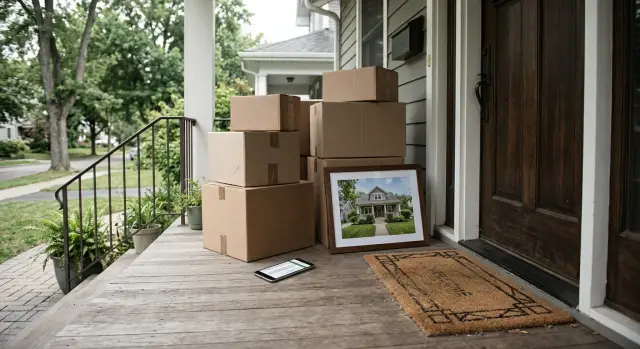
Most people think of package theft as a porch problem. A box gets dropped off, someone grabs it, and that is that. Real life is messier. The setup often starts days or weeks before delivery.
Someone planning a theft does not need to see a package first. If your name, phone number, and address history are easy to find online, they already have a starting point. Old and current addresses often show up on data broker sites, people-search pages, and public records.
That matters because address history adds context. An old address suggests you moved. A new address suggests you may still be settling in. If a home looks half empty, has moving boxes outside, or sits dark for a few nights, that can tell a stranger when deliveries are likely to arrive and when no one is home to bring them inside.
The timing does not need to be exact. It only needs to be close enough. A recent change of address, a home sale record, or a visible moving truck can suggest that new purchases are on the way. That could mean furniture, electronics, appliances, or a pile of smaller boxes ordered during a move.
Purchase clues leak more than people realize. Retail mail, store account emails left open on a shared screen, packaging from a recent upgrade, or a casual social post about a new setup can all point to an expensive delivery. Someone may not know the exact day, but they can often guess the week.
That is why package theft prevention starts before checkout. The bigger problem is often exposure: too much personal information online, too many clues about where you live now, and too many signals that a delivery is worth waiting for.
If you want fewer risks at the door, start by reducing what strangers can learn before anything ships. When your address history is harder to find, it is harder to plan around your move, your schedule, or your next delivery.
What exposed data tells a thief
Most advice on package theft prevention starts at the front door. The trouble often starts earlier, with data that gives away who you are, where you live, and what may be arriving soon.
A person does not need your order confirmation to make a good guess. Old people-search listings, marketing databases, and public records can turn a few scraps of information into a usable profile.
Past addresses are one of the easiest clues to misuse. If an old address is tied to your name, phone number, or relatives, it can lead straight to your current one. Home sale records and rental listings make that easier. A recent sale, a new lease, or a change-of-address trail can suggest you just moved, which often means more deliveries, more boxes outside, and less routine.
Phone numbers and email addresses add another layer. Once those details are connected to a real person, it becomes easier to search marketplace profiles, social accounts, or leaked data and start matching patterns. Nobody needs to see your delivery alerts directly if they can figure out which house belongs to which buyer.
Shopping clues matter too. Ad trackers, wish lists, product reviews, and retail marketing data can hint at what you buy. If someone sees signs that a household recently looked at a large TV, nursery furniture, or expensive tools, they do not need much more to watch for a big box.
Photos fill in the last gaps. A porch picture can show where packages usually land. A real estate photo can reveal a side gate, a hidden entry, or a back door with no street view. A quick post about moving day or a delivery window can give away timing.
Put together, those details can reveal four things: who lives at the address now, whether the home is in transition, what type of delivery may be coming, and where a package is likely to be left.
That is why address history exposure is more than a privacy issue. It can turn into a practical theft map.
Why moves and vacant homes draw attention
For package theft prevention, the riskiest moment often starts during a move. Moving leaves a long trail. Change-of-address records, utility signups, shipping updates, public records, and people-search pages can all connect the old home to the new one.
That trail gives strangers context. If someone can see that a person recently sold one house, bought another, or changed mailing details, they can guess there will be confusion, gaps in routine, and a lot of incoming boxes.
New residents are easy to catch off guard. In the first week or two, people are often at work, driving back and forth, waiting on contractors, or sleeping somewhere else while the house gets set up. Early orders can arrive before anyone has a solid routine for bringing packages inside.
The old address can be just as exposed. During a move, homes often sit empty for days or weeks. That makes them an easy target, especially if mail, flyers, or a missed delivery notice starts piling up near the door.
Public real estate photos make this worse. Listing photos can show the front porch, side gate, package drop spot, doorbell location, and how hidden the entry is from the street. Someone does not need to visit first if the photos already show where boxes are likely to land.
A common example is simple. Someone updates their address with a few stores, orders furniture, and spends three days finishing the move. Their old address still appears on broker sites, the new one shows up in public records, and the house listing photos are still online. That can be enough to guess where a package might arrive and when nobody is home.
This is where data broker removal starts to matter in a practical way, not just as a privacy chore. If your old and new addresses are easy to trace together, both homes can look useful at the same time.
How big deliveries become easy to guess
A big delivery rarely looks random. It leaves clues before the truck even stops at the curb.
The first clue is often the box itself. Large items tend to ship in oversized cartons, and many still show the store name or product line on the outside. Nobody needs to know the exact item. A huge branded carton for a TV, stroller, desk, or appliance is enough.
Timing is the next clue. Delivery alerts can narrow the watch window to a single day, sometimes a few hours. If those updates show up in a shared mailbox, on a visible phone screen, or in an email account someone else can access, the guesswork is gone.
Public hints make it even easier. A wedding registry, a baby registry, or a quick social post about a new couch can confirm that a high-value purchase is on the way. Even an innocent post like "Finally replaced our washer" gives away more than most people think.
Some signals are easy to miss: oversized branded boxes, delivery notices that reveal the day of arrival, public posts about a recent purchase, and repeated driver visits to the same address.
That last pattern matters more than people expect. When a van comes once to scan, once to leave a notice, and then returns with a second worker, it tells an observer that something bulky or expensive is involved. Some thieves wait for that pattern instead of grabbing the first small package they see.
Picture a simple case. Someone orders a patio set after moving into a new place. They post a photo of the empty backyard, mention the order in a neighborhood chat, and get delivery updates for Friday. By the time the truck arrives, anyone paying attention already knows the address, the day, and that the box will probably be too big to hide.
Good package theft prevention starts by cutting down these clues before checkout, not after the tracking email arrives.
A simple example of how this happens
Picture a couple who just bought a sofa for their new house.
They order it a week or two before the move because they want the place ready on day one. That is normal. The problem starts when bits of that move show up in public records and people-search sites faster than expected.
Their old address is still tied to their names. Their new address starts showing up too, often after a home purchase, utility setup, change-of-address activity, or marketing data sale. Now a stranger can connect the two homes and see that a move is happening.
The house itself gives away more than it should. The real estate listing is still online with clear photos of the front steps, the driveway, and a side gate that is partly hidden from the street. That tells someone where a delivery might be left and which spot is least visible.
Then the timing lines up.
The sofa is scheduled for a weekday delivery window. The couple is still at the old place finishing the move, turning in keys, or at work. The new house is empty for hours. Nobody planning a theft needs every detail. A good guess and a short wait are enough.
What can be pieced together is straightforward: a move is in progress, the new house may be unoccupied, large items are likely arriving soon, and the best pickup spot is the side entrance or front steps.
When the truck arrives, the package sits outside for a few minutes or longer. That is enough. The theft can happen before the couple has even met the neighbors, so no one thinks twice about an unfamiliar car stopping out front.
That is why package theft prevention often starts before a box shows up. The doorstep matters, but the trail of exposed address history matters too. If someone can see where you lived, where you are going, and what your new place looks like, they do not need luck. They can plan.
What to do first
Start with the step most people skip: find out what a stranger can learn about you in five minutes. Good package theft prevention often begins with a basic search, not a camera or a lockbox.
Search your full name, your phone number, your current address, and your previous address. Write down every site that shows where you live now, where you used to live, or both. Perfect information is not required. A few matching details are often enough.
If you recently moved, this matters even more. Old listings can connect your past home to your new one, and that makes it easier to spot a house that is still in transition. That is where address history exposure stops being a privacy annoyance and becomes a real security problem.
Clean up the obvious clues
Then check your own posts. Look for anything that mentions move dates, closing dates, renovation work, furniture arrivals, or a big item on the way. A casual post like "so excited for the new sofa tomorrow" tells the wrong person exactly when to watch.
Delete those posts if you can, or at least hide them and tighten your account privacy settings. Ask family members to do the same if they posted photos of the new place, moving boxes, or the building entrance.
For expensive deliveries, keep the plan simple. Use pickup, signature, or hold options when the seller offers them. Send high-value items to a staffed location if possible. Ask a neighbor, friend, or building staff member to receive the box. And do not leave delivery notes that tell drivers where packages are usually hidden.
A small example says it all: if a new TV is arriving two days after your move, do not send it to a porch you have barely had time to watch. Pick it up or have someone you trust accept it.
After that, deal with the source of the exposure. If people-finder and data broker sites still show your details, remove them or use a service that handles it for you. Remove.dev, for example, removes personal information from more than 500 data brokers and keeps checking for re-listings, which helps cut down the easy lookups that connect your name, phone number, and home.
Mistakes that make you easier to find
A lot of package theft prevention has nothing to do with locks or cameras. It starts with the small signals people leave behind without noticing.
Move-in photos are a common one. A happy post with the front door, street view, or house number in frame can tell strangers exactly where new deliveries will land. If the post also mentions a recent move, it confirms that the address is active and probably full of incoming boxes.
Shipping expensive items to an empty property is another easy mistake. People often send furniture, electronics, or appliances to the new house before they start sleeping there. That creates a perfect gap. The package arrives, the home looks quiet, and no one picks it up for hours or even days.
Old address listings cause trouble too. After a move, many people focus on forwarding mail and updating stores, but forget the people-search sites and broker pages that still show both addresses. That makes it easier to connect your old home, your new one, and the timing of your move.
People also share too much about delivery timing. A group chat feels private until someone forwards a screenshot or adds the wrong person. Public posts are worse. Saying "my new TV gets here Friday between 2 and 4" gives away the item, the day, and the window when a porch will be worth checking.
The last mistake often happens after the box is already inside. Branded packaging on the curb tells everyone what just arrived. A stack of boxes from a phone company, electronics brand, or luxury retailer advertises that more expensive items may still be inside.
The safer habit is boring, and boring works. Crop house numbers out of photos, send big orders when someone is actually there, clean up old listings, keep delivery windows off social media, and break down branded boxes before trash day.
Quick checks before a large delivery
A large delivery deserves a short privacy check before it ever leaves the warehouse. Good package theft prevention starts with a few simple steps that make your home harder to target and your delivery timing harder to guess.
Start with what strangers can already see. Search your name, phone number, and address on a few people-search sites. If your current address or older address history is sitting in the open, it becomes much easier to connect a move, an empty house, or a high-value order to a real location.
Then look at the delivery day itself. A package that sits outside for four hours is a far easier target than one handed to a person in two minutes. If no one can be home, change the plan before the item ships.
A few checks matter most:
- Confirm where your address appears online, especially on people-search pages.
- Make sure a person, neighbor, front desk, or mailroom can accept the package.
- Keep order emails and delivery texts out of shared inboxes and group threads.
- Use a pickup point or locker if the box would otherwise sit outside.
- Clear signs of an empty home, like piled-up flyers, dark entryways, or old boxes from a recent move.
Shared inboxes are easy to overlook. If delivery updates land in a work email, a family account, or a joint inbox, more people know what is arriving and when. For expensive items, keep tracking notices in a private account and turn off preview banners on shared screens.
Vacant-home signals matter too. Nobody needs proof that you are away. They just need clues. Curtains that have not moved, bins left out, and packages from earlier deliveries can all send the same message.
If you are in the middle of a move, be even stricter. A new couch arriving on Friday is risky if your address history is public and the new place still looks half empty. In that situation, a pickup location or a trusted receiver is usually the safer choice.
Next steps to reduce repeat exposure
If your address has been exposed once, treat it like a leak that can reopen. Hiding one search result helps a little, but it does not remove the source. For package theft prevention, the better move is to remove the records from data brokers that keep your name, old addresses, and contact details in circulation.
Start with the addresses that create the clearest trail. Old homes matter as much as your current one. Someone who sees a recent move can guess when you are busy, when expensive deliveries may arrive, or when a home might sit empty for a few days.
A small routine works better than a one-time cleanup. Search your full name with both your current and previous cities. Request removal from data broker sites, not just the search pages that point to them. Check public profiles and posts for move dates, house numbers, shipping labels, and porch photos. Then check again every few weeks, because listings often come back.
That last step gets ignored all the time. People remove a record once, then assume it is gone for good. Often it is not. A broker can buy another batch of data, rebuild a profile, and put the address back online without warning.
It also helps to keep old and new addresses off public profiles when you can. Marketplace accounts, community groups, registries, and casual moving posts can all fill in the gaps. A photo of boxes at the curb plus exposed address history can make a stranger's guess much easier.
Manual removal works, but it takes time and it has to be repeated. If you want less hands-on work, Remove.dev uses direct integrations, browser automation, and privacy-law removal requests to take personal data off brokers and keep watching for re-listings. The point is simple: make your address harder to find, less current, and less useful to anyone trying to time a delivery.
FAQ
Why can package theft start before anything is delivered?
Because a thief often does not wait to see a box on your porch. If your name, phone number, current address, and old addresses are easy to find online, someone can guess where you live, whether you just moved, and when a delivery may sit outside.
How does my old address make me easier to target?
Address history helps connect your old home to your current one. That can tell a stranger that a move is happening, which usually means more deliveries, less routine, and more time when nobody is there to bring boxes inside.
Are moves the riskiest time for package theft?
Yes, usually they are. During a move, people are often between homes, busy with errands, or not sleeping at the new place yet, so packages can sit outside longer than normal.
Can social media really give away a delivery?
They can. A post about a new couch, washer, TV, or move-in date may reveal the item, the house, and the rough delivery window all at once.
Should I send big orders to a new house before I move in?
Usually no. If the house is empty or only partly occupied, a large package can sit outside for hours, and that is all someone needs.
What should I search online to see what strangers can learn about me?
Start with your full name, phone number, current address, and previous address. Check what shows up on people-search sites, public records, old listings, and any post that ties your move or delivery timing to your home.
What is the safest way to handle an expensive delivery?
The safest choice is pickup, a staffed drop-off point, or a signature option. If that is not available, have a trusted neighbor, front desk, or friend receive it so the box is not left outside.
Do real estate photos make package theft easier?
Yes. Listing photos can show the porch, side gate, back entry, and other spots where a box may be left out of sight. Even old photos can give someone a very clear idea of your home layout.
Do data broker listings still matter after I move?
They do, especially after a move. Many broker pages and people-search sites bring removed records back, so your old and new addresses can become public again without you noticing.
Is removing my data myself enough, or should I use a service?
Manual removal can work, but it takes time and you have to repeat it. A service like Remove.dev handles removals across hundreds of data brokers and keeps checking for re-listings, which helps make your address harder to find over time.