How pretexting scams work when one detail sounds right
Learn how pretexting scams work, why one correct fact can lower your guard, and what to say or do before you confirm anything else.
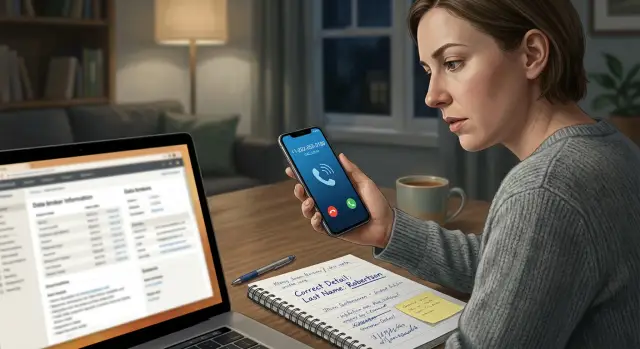
Why one correct detail is often enough
Most pretexting scams do not begin with a perfect story. They begin with one real detail.
Maybe the caller knows your old street, your job title, or the bank you use. That single fact makes the rest feel less random. Instead of asking, "How do they know that?" people often jump to, "Maybe this really is my insurer" or "Maybe I missed something." Trust forms fast. Proof usually comes later, if it comes at all.
That is why scammers do not need a complete file on you. One correct detail opens the door, and you may supply the rest yourself. A caller says, "I have your address as Oak Street, right?" You answer, "No, I moved. I'm on Pine Avenue now." In a few seconds, an old fact becomes a fresh one.
This works because the detail feels personal. A random spam call is easy to ignore. A call that mentions your former ZIP code, your age range, or a relative's name feels targeted. People assume only a real company, school, clinic, or bank would know it. That assumption is the scam.
A lot of those details are not secret in the way people think. They can come from data brokers, old breaches, public records, or social media. Put together, even a weak script can sound believable for a minute or two.
That first minute matters. Once the call feels real, people start answering instead of checking. They confirm a birth month, correct a mailing address, or read back a code because the conversation already feels half-verified.
The scam often starts long before money leaves your account. It starts when one true fact lowers your guard.
What pretexting looks like in real life
Pretexting is when someone invents a believable reason to get you to share information, send money, or lower your guard.
It usually sounds ordinary. The caller says they are from your bank, your mobile carrier, your doctor's office, a delivery company, or your workplace. The story is simple: there is a problem to fix, a charge to verify, a package to release, or an account to secure.
That is why pretexting is easy to miss at first. The script feels routine. The caller speaks calmly, uses familiar words, and asks for one small thing. Maybe it is your ZIP code, date of birth, last four digits, or a code sent to your phone. On its own, none of that sounds dramatic.
What makes pretexting different from a random scam is the feeling that the person already knows you. "Am I speaking with Sarah?" sounds like a guess. "Hi Sarah, I'm calling about the address on Pine Street" sounds tighter. One detail can make the whole story feel real, even when the rest is fake.
It can happen through phone calls, texts, or email. The channel matters less than the setup. A scammer creates a believable reason for contact, then waits for you to fill in the blanks. If you correct them, confirm a detail, or answer a "security" question, you help turn a weak story into a convincing one.
A real support agent can verify you without rushing, pushing, or fishing for extra facts. A scammer usually needs you to do the work. That is the part people miss.
How broker data fills the trust gap
To understand how pretexting scams work, start with the data itself. A scammer does not need your full identity record. One or two true details can make the rest of the story sound real.
Data brokers collect and sell personal details from many places. Some come from public records. Some come from old app signups, loyalty programs, surveys, or marketing databases. Some are bought, shared, or scraped, then bundled into one profile.
A broker record may include your age or birth year, current or past addresses, phone numbers, email addresses, and names of relatives or other people linked to your household. Each fact looks small on its own. Together, they sound like proof.
That is the trust gap. When a caller knows your street name, your old town, or your sister's first name, your brain starts filling in the rest. You may think, "They know this much, so they must be real." That split second is often enough to get you talking.
A scam script does not need to be perfect. It only needs to be close. A caller might say, "I see you used to live on Oak Street, and I need to verify your current address." If Oak Street is right, many people will correct the rest without noticing. Now the scammer has a fresh detail they did not have before.
Public and purchased data often get mixed together. A scammer may pull an address from a broker list, a relative's name from social media, and a phone number from an old leak. None of that proves they work for your bank, insurer, or phone company. It just makes the pretext smoother.
This is why broker data matters so much in social engineering calls. It gives strangers enough truth to sound familiar.
A simple example of how this happens
Your phone rings at 2:15 p.m. The screen shows your bank's name, or something close to it. The caller says, "This is Daniel from the fraud team. We saw a $243 card charge at an electronics store. Did you make it?"
So far, that could still be fake. Then he adds one real detail: your full name and the street where you used to live.
That is often enough. Most people do a quick mental check and think, "He knows that, so this must be real." That brief reaction is how pretexting scams work. The caller does not need your full history. One true fact can make the whole story feel believable.
You say the charge is not yours. The caller sounds helpful. He says he can lock the card, but first he needs to "confirm a few details." He asks for your ZIP code, then your date of birth, then the email on the account.
At that point, the target starts doing part of the job for him. Maybe you say, "My address on file is old. The new one is 48 Oak Lane." Or, "Use my Gmail, not my work email." You think you are fixing the record. In reality, you are giving him fresh information he did not have five minutes earlier.
Now he has enough to try a password reset or pass a support check. A text message hits your phone with a six-digit code. He says, "That is the fraud case number. Read it back so I can cancel the transaction."
It is not a case number. It is the login or reset code.
The detail sounded small. The damage is not. Once you read it aloud, he can get into the account, change the password, and lock you out. The call started with one correct fact. It worked because you confirmed the rest.
How to stop confirming extra facts
This is the pattern: one true detail lowers your guard, then small confirmations do the rest. A caller may already know your name, city, or old address from broker records. What they want next is proof that the rest of the profile still matches you.
That is why yes-or-no questions are risky. "Can you confirm your date of birth?" sounds minor. So does "Are you still at this address?" or "Is this still your main email?" But if you say yes, the caller gets a confirmed data point. If you correct them, you may give them better information than they had before.
Pause before answering anything personal. A short pause breaks the pressure and gives you room to think. You do not owe an incoming caller instant answers, even if they sound calm, polite, or urgent.
A good default line is simple: "I do not confirm personal details on incoming calls."
Then move the conversation to a channel you control. End the call and contact the company yourself using the number on your card, bill, or official app. If they really are from your bank, insurer, or phone company, they can wait while you verify it.
If you want a script, keep it short. Say, "I will call the company back myself," or "Send the request through my account inbox." If the caller pushes back, stays on the line, or says you must act now, hang up.
What to do when you get a suspicious call
A suspicious call works best when you feel rushed. The caller may sound calm, but the goal is the same: get you to react before you think.
A simple routine helps. Let the call end without arguing. You do not need to catch the caller in a lie. Just say, "I will call back using the official number," and hang up. Then find the official number yourself on your bank card, billing statement, insurance document, or the company app you already trust. Do not use a number the caller gives you, even if it sounds right.
Next, ask one plain question: would this company normally ask for this by phone? A one-time code, full Social Security number, or account password should set off alarms fast.
If you speak to a real representative later, share only what is necessary. If they ask for more than expected, stop and check again. That extra pause feels awkward, but awkward is better than compromised.
The safest habit is simple. Treat every unexpected call like an unverified claim until you confirm it on your own terms.
Common mistakes that make the scam easier
Most people do not get fooled by a perfect lie. They get pulled in by one detail that sounds right, then they help the caller build the rest.
The first mistake is trusting caller ID. A screen that says "bank," "police," or a local clinic feels reassuring, but phone numbers can be spoofed. In social engineering calls, the name on the screen is often just bait to keep you talking for another 30 seconds.
Another mistake is treating partial information as proof. A scammer might know your old address, the last four digits of a phone number, or where you used to work. That does not mean they are real. A lot of broker data is old, incomplete, or cheap to buy, and even outdated details can sound convincing when they are delivered with confidence.
People also make the call easier by correcting the scammer. If the caller says, "You still live on Pine Street, right?" and you answer, "No, I moved to Maple Avenue," you just gave them fresh data. The same thing happens when someone says your age, employer, or family member's name and you rush to fix the record.
Habit causes trouble too. Many people answer security questions automatically because they are used to doing it with real companies. But if they called you, do not confirm your birth date, full address, account number, or one-time code. Those answers are not harmless. They are pieces.
Pressure makes all of this worse. "We need to verify this now" is often the moment people stop thinking and start cooperating.
A simple rule helps: do not trust inbound calls by default, do not confirm or correct personal details, and hang up when the caller tries to rush you.
A quick check before you answer anything
When a caller opens with one correct detail, your brain wants to relax. That is how pretexting scams work. A street name, old employer, or the last four digits of a phone number can make a stranger sound legitimate for a few seconds.
Those few seconds matter. Before you answer, run a fast mental check. Did they contact you first, out of the blue? Are they asking you to confirm anything personal, even something small? Are they trying to rush you with fear, deadlines, or threats? Can you verify the request through a number or account page you found yourself?
If even two of those feel off, stop talking and verify first.
A common trap is the "small confirmation." The caller says, "I have your address as 14 Oak..." and waits for you to finish it. Or they ask for your birth month "for security." People often think they are only confirming, not revealing. In practice, they are giving the scammer one more piece to build trust or pass a phone check.
A better response is short and a little cold: "I do not confirm personal details on incoming calls. I will contact the company directly." Then hang up. You do not owe a polite conversation to someone who interrupted your day.
One correct fact is cheap. Your confirmation is what gives it power.
Next steps to make pretexting harder
A scammer does not need your full life story. One correct detail can get you talking, and the rest often comes from your own replies. If you understand how pretexting scams work, the next move is simple: give strangers less to start with.
Start by checking what is already exposed. Search your name, phone number, home address, old email addresses, and usernames. You may find people-search pages, broker listings, and stale profiles that still show enough to make a fake call sound believable.
Then clean up what you can. Old directory pages, public profiles, and broker listings are worth removing because each detail closes part of the trust gap. A birthday, previous address, or relative's name may seem harmless alone, but together they make a scam script sound real.
It also helps to replace security question answers that use public facts with random answers stored in a password manager. Tell family members not to confirm your phone number, address, travel plans, or workplace for anyone who calls. And treat calls about accounts, deliveries, taxes, or fraud as unverified until you contact the company yourself.
Family matters more than most people think. A scammer may call a parent, partner, or adult child first because they sound more relaxed and often want to be helpful. One casual "yes, that's her old address" can give the caller enough to try again with you.
If you do not want to chase hundreds of listings yourself, services like Remove.dev can help by removing personal data from more than 500 data brokers and monitoring for relistings so new removal requests can be sent when your information shows up again.
You do not need perfect privacy to make pretexting harder. Cut off the easy details, stop confirming new ones, and make every cold call work a lot harder.
FAQ
What is a pretexting scam?
Pretexting is a scam where someone makes up a believable reason to contact you so you will share information, send money, or lower your guard.
The story usually sounds normal, like a fraud alert, a delivery issue, or an account check. What makes it work is that the caller sounds routine, not dramatic.
Why does one correct detail make a scam call sound real?
Because one real fact makes the rest feel less random. If a caller knows your old address, job title, or a relative’s name, your brain may treat them like a real company before you have checked anything.
That short moment of trust is often all they need to get you talking.
What details do scammers usually ask for first?
They usually start with small details that seem harmless, like your ZIP code, birth month, email address, mailing address, or the last digits of a phone number.
Small does not mean safe. Those bits can help them reset an account, pass a phone check, or make the next question sound more believable.
Can I trust caller ID if it shows my bank or a local business?
No. Caller ID can be spoofed, so the name or number on your screen is not proof.
Treat the display as unverified until you contact the company through a number you found yourself on your card, bill, or official app.
What should I say when a caller asks me to confirm my personal info?
Use a short script and stop there. Say, "I do not confirm personal details on incoming calls. I will contact the company directly."
You do not need to argue or explain. If they push, hang up.
Should I ever read back a code sent to my phone?
Never read it back to an unexpected caller. A texted code is often a login or password reset code, even if the person says it is for fraud, support, or a case file.
If the request is real, you can verify it by calling the company yourself through an official number.
What if the caller already knows my old address or a relative’s name?
Not by itself. Old addresses, age ranges, phone numbers, and family names can come from data brokers, social media, public records, or old leaks.
Take that detail as a warning, not proof. It means the caller may know just enough to sound familiar.
How do I verify a suspicious call safely?
End the call first. Then open the company’s official app or use the number on your card, bill, or statement and ask if there is really an issue.
Do not call a number the caller gives you, and do not stay on the line while you check.
Does removing my data from brokers make pretexting harder?
Yes, it helps. Removing broker listings cuts down on the details strangers can use to sound believable in a call.
Remove.dev removes personal data from over 500 brokers, watches for relistings, and sends new removal requests when your information shows up again. Most removals finish in 7 to 14 days, and you can track requests in the dashboard.
What should I do if I already gave a scammer some information?
Move fast on the risky parts. If you shared a one-time code, password, or enough details for an account reset, change your password, sign out other sessions if you can, and call the company through its official number.
If you only confirmed small facts, stay alert for follow-up calls, texts, or reset emails. Scammers often come back after a partial win.