Privacy audit for couples: a one-hour shared checklist
Use this privacy audit for couples to review relatives, property records, old names, and joint accounts in one focused hour.
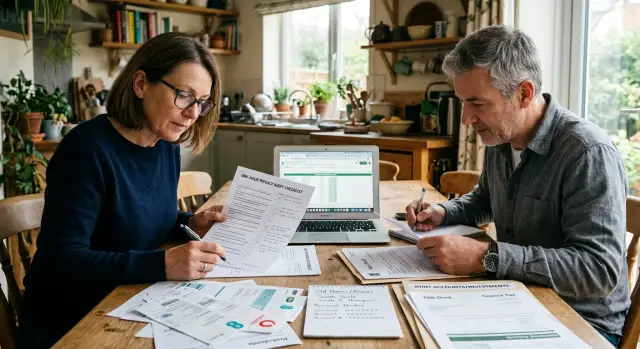
Why couples should check privacy together
Most couples do not have the same privacy risk. One person may have old people-search listings, a public business filing, or years of address history online. The other may seem harder to find, but still show up through relatives, voter records, or an old username that leads back to a current address.
That is why it helps to do a privacy review together. Looking at one person at a time misses the way records connect. A broker may list one partner by name and the other as a relative. A county record may show both names on the same property. One exposed profile can be enough to find the other.
This gets riskier when you share a home. If your address appears next to either partner, both of you become easier to trace. That can lead to more than junk mail. It can connect family members, past moves, and older names tied to the household.
Old records make this worse. A maiden name, a previous marriage, an old lease, or a former co-owner on a property record can join two identity trails that look separate at first. Small details add up fast when they match across several sites.
A quick review together catches easy misses. One partner remembers an old apartment number. The other remembers a parent still listed at that address. In 10 minutes, you can spot links that would take much longer to find alone.
What to gather before you start
Protect the hour first. Put it on the calendar, silence notifications, and sit in the same room if you can. This goes faster when both people can answer small questions on the spot instead of texting each other later.
You do not need special tools. Just bring the devices and papers that usually hold the loose ends:
- both phones for logins, codes, and saved account details
- one or two laptops so you can check records side by side
- a few pieces of recent paper mail
- a shared note or spreadsheet you can both edit
That shared note matters more than most people expect. Keep it simple. Make one column for the account, record, or site, one for whose data appears there, one for what needs fixing, and one for status. That alone can save a lot of repeat searching.
Before you open any tabs, each person should write down what they most want to protect. Be direct. One person may care most about keeping a home address off people-search sites. The other may care more about an old last name, a past apartment, or a relative whose address keeps getting linked to theirs.
Paper mail helps because it shows the boring details that often leak into public records: full names, account numbers, lender names, utility providers, and address variations. Phones help because shared services tend to ask for verification codes at the worst time.
It also helps to decide what "done" means for this session. For most couples, that means finding exposed records, listing shared accounts, and assigning the follow-up work.
Map each person's identity trail
Start with two separate lists, one for each person. Keep them side by side so you can spot overlap, but do not merge them yet.
Write down every real-world name a person has used, not just the current legal one. Include middle names, shortened first names, common misspellings, old surnames, and any name used before or after marriage. If one partner was once listed as "Liz Carter" and now uses "Elizabeth Nguyen," both versions can still lead to the same record.
Past contact details matter just as much. Old phone numbers, older email accounts, and addresses from previous rentals or homes often stay attached to public profiles for years. Even a forgotten Yahoo address or a landline from ten years ago can help a broker connect a newer profile to an older one.
A simple way to organize this is to give each person four groups of details:
- name variations, including nicknames and spelling changes
- old surnames or other legal name changes
- past addresses, even short-term ones
- old email addresses and phone numbers
Do not worry about exact dates. A rough timeline is enough. Think in chunks like "first apartment after college" or "house before we moved in together." That is usually enough to search for exposed records later.
If you get stuck, check old tax returns, moving emails, wedding paperwork, school records, and contact lists. Most couples remember the big moves but forget the small traces, like an email used only for wedding vendors or a phone number tied to a shared family plan.
Check family and household links
A lot of exposure comes through other people. A parent, sibling, or adult child can pull your current address into search results without meaning to. One public record often leads to another.
Start with close relatives on both sides. Search each person's full name with your city, a past city, a phone number, and current or old last names. If one partner changed names after marriage, search both versions. Old names tend to stay online longer than people expect.
Pay extra attention to relative pages that list family members, ages, or possible addresses. Also look for old accounts that still show emergency contacts, and search results where a shared last name ties two households together.
Emergency contacts are easy to forget. Old school portals, medical apps, rental accounts, and workplace systems sometimes keep them visible long after the account stops being used. If an old account lists your partner's parent or your sibling, that gives a broker one more way to connect names, phone numbers, and addresses.
Watch for family pages that bundle everyone together on one screen. Those pages often show a current address for one person and then list relatives below it. That is enough to connect the household.
Use a simple rule: if a relative's page would let a stranger make a good guess about where you live, write it down. Note the site, the name shown, and the link it creates. You do not need to fix every family record during this hour. You just need a clear map of which pages point back to you.
Review property records and address history
Home records expose more than most people expect. A county recorder, tax assessor, or land records site may show full names, the street address, sale date, purchase price, and sometimes the lender. If two names appear together, that one record can tie a couple, a home, and a timeline into one easy search result.
Start with the counties where either person has owned property. Search both current and past addresses, plus both full names. If one partner changed a last name, search the old name too.
Look closely at deed and mortgage details. The deed may list both owners, a mailing address, and the date the transfer was recorded. Mortgage records can also point to the same property even when a person no longer lives there. If you find a record, note what is public and what can be edited, hidden, or challenged under local rules.
Old rental history matters too. Apartment listings, tenant screening sites, and reposted rental ads often keep past addresses long after a move. A listing with photos, a unit number, or a move-in date can confirm where you lived and when. That gives brokers one more way to match both people.
For each record, keep a short note on whose name appears, which address is shown, whether both names are tied together, whether the record is current or old, and what follow-up it needs.
A common pattern looks like this: one spouse still appears on a five-year-old rental listing, while both names show up on a deed search for the current home. Now an old address and a current one can be connected in minutes.
Check joint accounts and shared services
This is where the review usually gets more real. Joint accounts tie two people together in ways that are easy to miss, especially after a move, a name change, or a switch in providers.
Start with banks and credit cards. Check the profile for each account, not just the latest statement. Look at the mailing address, recovery email, phone number, authorized users, and whether an old spouse, partner, or family member still has access to alerts or online login.
Do the same for utilities, insurance, and mobile plans. These accounts often confirm who lives together and where. If one electric bill still uses an old address, or a family phone plan still lists a parent as account manager, that bad data can spread.
Shopping accounts deserve extra care. A shared retail login can hold years of shipping addresses, saved cards, gift recipients, and old names. Plenty of couples delete an old apartment from one app and forget it still sits in a grocery delivery account they use every week.
Unused shared logins are worth cleaning up right away. Close them if you can. If you still need the account, change the password, remove payment methods you no longer use, and update recovery options so each person controls their own access.
If you find mismatched details, fix them at the source first. That cuts down the chance that old household links keep showing up again later.
A 60-minute plan
Treat this like a short appointment, not an open-ended project. The goal is to spot exposure fast, agree on priorities, and leave with a short follow-up list.
- Spend the first 10 minutes checking names, old names, nicknames, usernames, and common misspellings for both people.
- Use the next 15 minutes to review current and past addresses, property records, rental listings, and public move history.
- Take 15 minutes for joint accounts and shared services like utilities, shopping sites, banking alerts, mobile plans, and insurance portals.
- Use the next 10 minutes to check relatives, household members, wedding pages, family-tree sites, and people-search listings that connect you both.
- Save the last 10 minutes to assign follow-ups, note who will handle each task, and set a date to review progress.
Keep the pace brisk. If something looks messy, mark it and move on. A one-hour session falls apart when you spend 20 minutes arguing over one old address.
During the names block, search each person alone and then search both names together. Married couples often miss old surnames, combined names, and profile names that still show up in public records.
For addresses and property, focus on what ties you to a place. Deeds, assessor records, old rental ads, and neighborhood directories can connect names, ages, and relatives in one result.
Joint accounts need extra attention because one weak login can expose both people. Check shared inboxes, account recovery options, saved cards, and whether old phone numbers still receive verification codes.
A simple example
Say Maya and Chris sit down on a Sunday afternoon and assume their risk is low because they do not share much online. Within the first 15 minutes, they find four weak spots.
Chris still has profiles under an old surname from before the marriage. One people-search site connects that old name to his current city and past jobs. Once one record matches, the rest often follow.
Then they check their home address. A property record shows both names and their current house. The record is public, but it still makes the trail much easier to follow. Anyone who finds it can connect the home address to older rental records, phone data, and household listings.
The surprise comes from family. Maya's sister posted birthday photos and included a shared phone number in the caption for replies. It seemed harmless at the time. Now that post ties both partners to one number, which makes future lookups easier. Maya asks her sister to edit the post and remove it.
Then they review a joint shopping account. The profile still stores their current address, a previous apartment, and both full names in saved gift details. That is more exposure than they need. They remove the old address, shorten the saved names where possible, and check who can see past orders.
By the end of the hour, Maya and Chris have not fixed every record on the web. They have done the more useful first step: they found the links that connect names, addresses, relatives, and accounts into one clear trail.
Mistakes that keep data exposed
The most common mistake is simple: a couple checks one person and assumes the household is covered. It rarely is. This only works when both people trace their own records, logins, and past addresses, then compare where those trails connect.
Name changes cause trouble fast. If one partner has a maiden name, a shortened first name, a middle name used on older records, or a misspelled version in a public database, that version can still expose an address or phone number. A record under "Katie" may sit next to another under "Katherine," and both can point to the same home.
Old accounts are another easy miss. People remember banks and email, but forget the online pharmacy they used once, the utility portal from a previous apartment, or a shopping account tied to an old phone number. If the login still works, the account still matters. Even an unused profile can reveal a billing address, a family member's name, or saved card details.
Couples also stop too early. Sending one removal request feels like progress, but data often comes back. Brokers copy each other, public records get refreshed, and old profiles can reappear after a move or a new joint account.
If you want a quick gut check, ask yourselves four questions. Did we search only current legal names? Did we skip nicknames, old surnames, and spelling variants? Did we ignore inactive accounts because we "never use them"? Did we send one request and never check again?
One loose thread can reopen the whole trail. A spouse may remove a current profile, but an older property listing can still show the other spouse's previous surname. That stale record is enough to reconnect the couple, the address, and a shared phone number.
What to do next
Once the hour is over, do not try to fix everything at once. Start with the records that create the most risk right now. For most couples, that means any listing that shows a home address, personal phone number, full birth date, or names tied to relatives.
A good first pass is simple: remove people-search listings that show your current address, fix profiles with mobile numbers, review property pages that connect both names to one home, clean up old profiles under former names or misspellings, and update shared account pages that still expose contact details to both partners or to old users.
This is where the audit becomes practical. You are not trying to clean up the whole internet in one sitting. You are deciding what needs attention first and what can wait until next week.
After that, put a recheck date on the calendar. A monthly check is a good start if you have moved recently, changed names, bought property, or share accounts across many services. If your exposure is lower, every two or three months may be enough. Search both names, old names, phone numbers, and past addresses the same way each time so you can spot new listings fast.
Manual removals work, but they get tedious. If you do not want to send requests one by one, Remove.dev can handle removals across more than 500 data brokers and keep watching for relistings after your information comes back online. That kind of ongoing monitoring matters because one clean-up day rarely stays clean for long.
If you only do one thing today, start with your address and phone number. That usually cuts the biggest risk first.
FAQ
Why should couples do a privacy audit together?
Because your records connect in ways that are easy to miss alone. One partner may appear on a people-search site, while the other shows up as a relative, co-owner, or household member tied to the same address.
What should we have ready before we start?
Keep it simple: bring both phones, at least one laptop, a few pieces of recent mail, and one shared note or spreadsheet. That gives you what you need for logins, old contact details, and a place to track what you find.
What details should each person write down first?
Each person should write down current and past names, nicknames, old surnames, past addresses, old email accounts, and old phone numbers. You do not need exact dates; a rough timeline is usually enough to spot matching records.
Do old names and past addresses still matter if we do not use them now?
Old details stay online for years and often get copied from one site to another. A past surname or apartment can be enough to connect older records to your current home, phone number, or relatives.
How can relatives expose our information?
Relatives often appear on public pages that show family members, ages, or possible addresses. If a parent, sibling, or adult child is tied to your current city or old home, that can help someone trace your household.
Which shared accounts should we check first?
Start with accounts that confirm where you live or how to reach you. Banks, credit cards, utilities, insurance, mobile plans, and shopping accounts are the usual first places to clean up because they often store old addresses, recovery details, and shared access.
Are property records always a privacy problem?
They are public in many places, so you may not be able to remove them fully. What you can do is see exactly what is exposed, note which names and addresses are tied together, and check whether local rules let you hide or correct parts of the record.
What should we fix first after the audit?
Go after the records that create the most risk now. In most cases, that means listings with your current address, mobile number, full birth date, or pages that tie both partners and relatives to one home.
How often should we repeat this check?
A monthly check makes sense after a move, a name change, a home purchase, or any big account change. If your exposure is lower, every two or three months is often enough as long as you search the same names, phone numbers, and addresses each time.
Can a removal service help if this feels like too much manual work?
Yes, if you do not want to send removal requests one by one. Remove.dev finds and removes data from over 500 data brokers, watches for relistings, and automatically sends new requests when your information comes back. Most removals are done within 7 to 14 days, and you can track requests in a live dashboard.