Public zoning comments privacy: a simple safety checklist
Public zoning comments privacy is easy to overlook. Use this checklist to share your view without posting extra names, addresses, plans, or phone numbers.
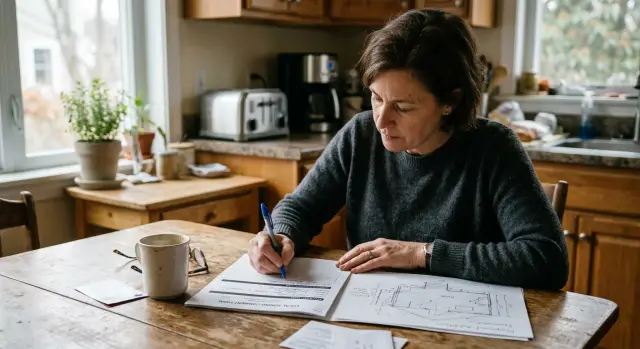
What can become public when you comment
A zoning comment can become a public record faster than most people expect. On many city and county portals, the comment is posted with the case file and can stay visible long after the hearing ends.
The obvious detail is your name. Many forms ask for a full name, and some agencies publish it next to the comment instead of keeping it for internal use. If the comment is tied to a property file, your street address may appear too, even if you only meant to weigh in on a nearby project.
Contact details can slip out in quieter ways. Some offices publish the email address or phone number entered on the form. Others leave those fields off the main page but include them in downloadable PDFs, staff reports, or meeting packets. A detail you typed once can spread across several records.
Attachments raise the risk even more. A PDF, photo, or letter can reveal:
- your full address in a header or signature line
- file names with your name or lot number
- room layouts, entrances, or renovation details
- hidden metadata from the file itself
This matters most when the comment is about your own home. A short note of support or objection can end up next to plans that show windows, additions, entrances, or interior changes. That is much more personal than most people mean to share.
The part people often miss is retention. Even after the case closes, the comment may stay on a planning portal, in meeting archives, or in copied records elsewhere. Search engines and data brokers can pick up those details over time. A one-time civic comment can turn into a long privacy trail.
A simple rule helps: treat the form like a public notice board, not a private message.
Why a simple comment can become a long privacy problem
A zoning comment feels small. You send a few lines, the meeting happens, and you move on. The problem is that the record often stays public long after the project is forgotten.
Once your name, address, or renovation details appear on a town website, they can spread well beyond that page. Meeting packets, PDF archives, search results, and public record sites can repeat the same details. After that, removing one copy does not remove the rest.
That is why this issue matters more than it first appears. A comment about a fence, garage, dormer, or extension can quietly become a neat summary of who you are, where you live, and what is changing at your home.
That information can also be misused. If your comment mentions a permit number, a setback dispute, or a planned renovation, a caller can pretend to be from the planning office, an inspector, or a contractor. Messages sound more believable when they include details pulled from a real record.
Old comments can reveal timing too. If you mention when work will start, when you will be away, or why approval is urgent, you leave a public clue about activity at the property. Even a short note can say more than you intended.
There is also the social side. If a dispute with a neighbor gets tense, a public comment makes it easy to trace criticism back to you. Your name may sit next to your address and your opinion in search results for years.
That long shelf life is the real problem. Public records are easy to copy, search, and reuse.
What to check before you write anything
The easiest way to overshare is to start typing before you understand the form. Some planning portals publish every field, every upload, and even the time the comment was sent. A quick scan can save a lot of trouble later.
Start with the rules around the form, not the comment box. Some offices clearly state that all submissions become part of the public record. Others hide that notice near the bottom. If the page is unclear, ask a direct question: "Which parts of my submission will the public see?"
Then check each field slowly. A form may ask for your full name, home address, phone number, and email, even when only one or two of those details are actually required. Do not fill optional boxes just because they are there. If the office only needs enough information to confirm that you live nearby, give only that.
Attachments deserve extra care. A letter, photo, or PDF can expose more than the comment itself. Your address may appear in a header, your name may sit in the file name, and the document may contain metadata you never meant to share. Before uploading anything, find out whether attachments are posted online in full, shared only with staff, or made available at meetings.
It also helps to ask how comments are handled during public sessions. Some are posted quietly on a website. Others are read aloud at a hearing, sometimes with the commenter's name attached. Write with that possibility in mind.
Finally, check the office's redaction policy. Some planning departments remove phone numbers or email addresses before posting. Some do not remove anything. Never assume the office will clean up your submission for you. If the answer is unclear, act as if every word, field, and file will appear exactly as sent.
How to submit a comment with less personal detail
Start with your point, not your story. Say what you want the planning office to notice in one plain sentence. For example: "I object to the current setback request because it may block sight lines at the corner." That does the job without pulling in your family routine, your home layout, or the times you are usually away.
Less detail is usually better. People often add personal context because they want to sound credible. That often backfires. A short, specific comment is easier to read and gives the office less personal material to post, archive, or circulate.
A good comment usually does three things. It names the planning issue, explains the effect, and asks for a practical change. You can focus on noise, traffic, height, drainage, parking, shadow, or privacy without describing your household in detail.
Use the smallest identity footprint the form allows. If it asks for a name and email, do not add a phone number, employer, or full signature block unless required. Attach only the minimum proof needed. One cropped photo or one marked-up screenshot is often enough.
Check file names before uploading. "front-yard-view.jpg" is much safer than "123-Maple-St-bedroom-window-view.jpg."
Also remember that documents can reveal more than the page itself. PDFs, Word files, and photos may carry metadata such as your full name, device name, location, or edit history. A clean export or a screenshot is often safer than the original file.
Keep a final copy of exactly what you sent. Save the text and store the uploaded files with the submission date. If the public version later shows more than you expected, you will know whether that detail came from your submission or from the agency's posting process.
What to leave out of the comment
A zoning comment should explain your concern, not map your private life. If a fact does not help the planning office understand the project, leave it out.
A common mistake is writing as if only staff will read the note. In many places, posted comments can be seen by neighbors, developers, reporters, and data collection sites. Once that happens, small details can follow you for years.
Avoid details such as:
- children's names, ages, schools, or walking schedules
- travel dates, work shifts, or times the house is empty
- alarm instructions, camera angles, gate codes, or weak entry points
- full floor plans or detailed room layouts
- long stories about fights with a neighbor, contractor, tenant, or former owner
Most comments do not need any of that. If the issue is noise, shadow, traffic, parking, or loss of privacy, say that directly. You can note that a second-story window would overlook your yard without explaining where your child's room is. You can say delivery trucks block your driveway without listing the hour your spouse leaves for work.
Short beats detailed here. "The proposed deck would create a direct sightline into our fenced rear yard" says enough. A paragraph about who uses the yard, when they use it, and where they sit says too much.
Personal history is another trap. If you have dealt with the same neighbor for ten years, that history may feel relevant. Usually it is not. Stick to the current application and to facts the reviewer can actually check.
Before you send anything, read it once with a stranger's eyes. Ask yourself one blunt question: would this help someone learn my routines, my home's weak spots, or my family's habits? If yes, cut it.
A simple example from a neighborhood project
Picture a common case. A neighbor applies to build a second-story addition behind your yard. You want to object, but the issue is narrow: the new windows could look straight into your patio and back rooms.
A risky version might say: "I live at the house directly behind the project, and I am home alone with my children most afternoons. The new upstairs windows will face our kitchen and bedroom, and we already keep the blinds closed because we eat dinner on the patio around 7 p.m."
It is honest, but it gives away far too much.
A safer version is shorter and more useful:
"I object to the proposed second-story addition at 18 Oak Street because the rear-facing window placement may create a direct overlook into neighboring rear yards and living spaces. Please consider obscured glazing, revised window placement, added screening, or a larger setback to reduce privacy impacts."
This works because it points to the project, not your daily routine. It explains the planning concern clearly and asks for practical fixes instead of turning the note into a personal story.
If you want, add one concrete detail from the drawings, such as a rear second-floor window facing adjacent yards. That gives staff and board members something they can act on. Leave out who sleeps where, when your home is empty, or how your family uses the space day to day.
Specific beats emotional. Plain beats personal.
Mistakes that expose more than you meant
Most privacy mistakes in planning comments are small, dull ones. That is exactly why they get missed.
A common slip happens before anyone reads your note. If you upload a PDF called "Jane Smith - 44 Pine Road objection.pdf," you have already shared your full name and address in plain sight. Some files also carry hidden author details, so a clean-looking document is not always clean.
Another easy mistake is using a work email. A work account often adds a full signature block with your job title, company, phone number, office address, and sometimes social profiles. That is far more exposure than most people expect from a short civic note.
People also forward old email chains without checking what is still inside. That can reveal other residents' names, phone numbers, and private opinions. If a neighbor wrote to you in confidence, do not pass their details into a public record by accident.
Marked-up plans create a different problem. If you attach sketches or screenshots to explain your point, make sure they do not show your own home layout, alarm placement, entrances, or renovation ideas. What feels like helpful context today can become a lasting record of how your property is arranged.
Spoken comments matter too. Some people are careful in writing, then say too much at the hearing. If the meeting is recorded, your statement may be archived, transcribed, and easy to find later.
A quick self-check catches most of this:
- rename files so they do not include your full name or street address
- send from a personal email with a stripped-down signature
- paste only the text you actually mean to submit
- remove plan images unless they are truly needed
- draft a short version of any spoken comment before the meeting
It sounds fussy. It saves real trouble.
Quick checklist before you send
A zoning comment can feel temporary. It often is not. Before you hit send, pause for a minute and read it like a stranger would.
Check five things:
- keep only what the form actually requires
- cut anything that points to children, routines, medical needs, alarm systems, or empty-house times
- open every attachment and look for visible addresses, signatures, and notes in the margins
- rename files before sending them
- ask whether you would be comfortable seeing this text in search results years from now
That last question matters more than people think. A short comment about a nearby project can quietly become a record of where you live, what work is planned, when you are home, and what worries you most about your property.
Small edits can fix a lot. "I live at 18 Willow Lane with my two kids and work late shifts, so extra traffic near our driveway worries me" says too much. "I am concerned that extra traffic near this driveway could make entry and exit less safe" makes the same point with far less personal detail.
If you are unsure, save the draft and read it again on your phone. Privacy leaks are often easier to spot on a smaller screen, when the wording feels less familiar.
What to do after the comment is posted
Once your comment is live, check the public record yourself. Do not assume the site shows only what you meant to share. Open the meeting page, the PDF packet, and any searchable comment log. Look for your full name, home address, email, phone number, parcel number, and any details about when you will be away during renovations.
This step matters because small overshares often get copied into other places. A clerk's site may be the first post, but cached pages, scraped records, and reposted PDFs can keep spreading it.
If you see something that should not be there, contact the clerk or planning office right away. Keep the message short and specific. Ask whether they can redact personal details, replace the file, or limit search indexing on the posted record. Some offices will not remove comments, but they may remove contact details or upload a cleaner copy if you catch it early.
Save proof while you act. Keep screenshots, note the date and time you found the issue, record which office you contacted, and save any reply you receive. That makes follow-up much easier if the same details show up somewhere else later.
Then watch for reuse of the information. Search your name with your street name, city, email, and phone number over the next few weeks. Pay close attention to data broker sites, which often pull address and household details from public records and turn them into easy-to-find profiles.
If your contact details are already circulating, handle that separately from the zoning record itself. Manual opt-outs can work, but they take time and often have to be repeated. Remove.dev helps by finding and removing personal data from over 500 data brokers and then monitoring for re-listings, which is useful when one public record starts spreading far beyond the original planning portal.
A quick check now can spare you months of cleanup later.
FAQ
Are zoning comments really public?
Yes, in many cities and counties they do. Your comment can be posted on the case page, included in meeting packets, or kept in archives after the hearing ends.
What personal details can show up in a zoning comment?
The usual risks are your name, street address, email, phone number, and details about your home or renovation. Sometimes those details show up on the main page, and sometimes they only appear inside a PDF or packet.
Can attachments expose more than the comment itself?
They can. A PDF, photo, or letter may show your address in the header, your name in the file name, or hidden metadata from the original file. A clean screenshot or fresh export is often safer than the original document.
What should I leave out of my comment?
Leave out anything that maps your private life. That includes children's names, travel dates, work schedules, alarm details, entry points, and long stories about neighbor disputes.
How can I make my point without oversharing?
Start with the planning issue and the change you want. A short note about privacy, traffic, noise, height, drainage, or parking usually does the job without sharing your routine or home layout.
Do I need to include my full address or phone number?
Not always. Many forms ask for more than the office needs, so only fill in required fields unless the agency clearly says otherwise. If the page is vague, ask which parts of the form the public will see before you submit.
Can my comment be read aloud at a hearing?
Sometimes, yes. Some offices read comments aloud or include them in recorded meetings, so write as if your words may be spoken in public with your name attached.
What should I check before uploading a PDF or photo?
Open the file and look for visible addresses, signature blocks, comments in the margins, and file names that include your name or street. It also helps to remove metadata and use a stripped-down email signature before you send anything.
What should I do if my comment is posted with too much information?
Check the public page, the meeting packet, and any searchable record first. If you find too much, contact the clerk or planning office right away, ask for redaction or a replacement file, and save screenshots of what was posted.
Can data broker sites pick up details from zoning records?
Yes, that can happen. Once a public record shows your name, address, or contact details, data broker sites may copy it and make it easier to find. You can opt out by hand, or use a service like Remove.dev to remove that data from broker sites and watch for it to come back.