Remove household data online to reduce family scam risk
Learn how public youth activity pages expose parent details, addresses, and contacts - and why you should remove household data online, not just one listing.
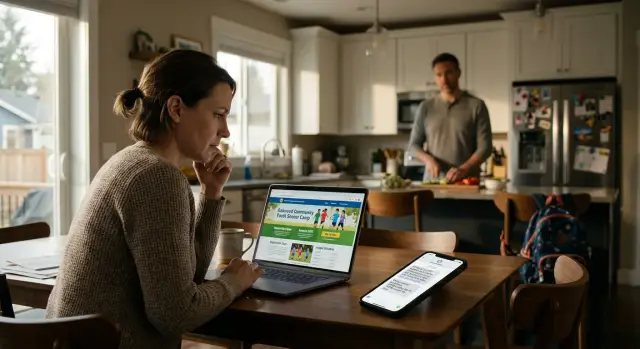
How small public details turn into family risk
Family risk often starts with harmless-looking scraps of information.
A team roster with a child's first name. A booster club page with a parent's phone number. An old address on a people-search site. A social post about summer camp. None of these details looks serious on its own.
The trouble starts when someone puts them together.
A scammer does not need your whole life story. They need a few facts that fit well enough to sound real in a text or phone call. If they know your last name, your child's activity, your town, and one working number, they can fake familiarity fast.
That is often enough to turn a suspicious message into an urgent one.
Picture a parent getting a text that says, "This is the camp office. Emma was not fully checked in. Please pay the remaining fee in the next 10 minutes to keep her spot." If the parent already knows Emma is at camp that week, panic fills in the rest.
The same thing happens with fake pickup calls. Someone claims to be with an after-school program and says your child is waiting with a staff member, but only an approved adult can pick them up. Then they ask you to confirm your address, your spouse's name, or a payment for a last-minute late pickup fee. Small details make the story feel real.
That is why removing one record rarely fixes the problem. Household data is scattered across broker sites, local pages, newsletters, old PDFs, and public posts. One page shows a phone number. Another shows relatives. Another shows where the family used to live. Put together, that is enough for a convincing scam.
The real goal is not to erase one listing. It is to make the full family picture harder to build.
Where families leave breadcrumbs without noticing
Most parents never post "our home address and child schedule" in one place. The risk comes from the pileup.
A public team roster shows a last name. A volunteer page names a parent. A camp flyer shows a date and location. A people-search site adds a phone number, home address, and likely relatives. Once those pieces are combined, a stranger can sound believable very quickly.
Youth activities are a common leak. Sports rosters, tournament pages, booster club posts, and volunteer sign-up pages often include full names. Some also list a school, age group, or coach. On their own, those pages seem harmless. Next to a parent's mobile number and street address from a broker site, they look very different.
Camp pages and event flyers can reveal even more. A public sign-up post, an old PDF, or a photo album from "week 2" can expose dates, pickup windows, and locations. That gives a scammer an easy script: "I'm calling about Ava's pickup change at summer camp."
Photos are another quiet source of exposure. A caption like "Noah, first day at Pine Lake camp, July 8" gives away a child's name, place, and timing in one line. Background details can add more than people notice at first. A jersey number, a school logo, a carpool tag, or a house number can all help fill in the gaps.
School and club newsletters can cause trouble too. Many are posted as public PDFs and picked up by search engines. Even if the school removes the page later, copies can stay visible for months. A newsletter that lists honor roll names, volunteer thanks, or event winners may also reveal parent names and student groups.
Then there are people-search sites. They pull together addresses, past addresses, phone numbers, ages, and relatives. This is where separate breadcrumbs turn into a household profile. A scammer does not need a perfect match. If they can see one parent's listing, another adult at the same address, and a child named on a public activity page, they may have enough to make a call or text feel real.
How a fake pickup or fee scam gets built
A scam like this can be put together with surprisingly little information.
Say a parent gets a text at 4:20 p.m.: "Hi, this is Jen from summer soccer admin. Emma still has an unpaid camp balance, and we need it cleared before pickup." The message uses the child's first name, the sport, and the fact that pickup is happening that day. It feels routine, which is exactly the point.
A minute later, the parent gets a call. The caller sounds calm and says Coach Rivera is with the kids, another parent already covered part of the fee, and they just need the rest sent now. If payment cannot be made right away, Emma may need to wait with a different adult after practice.
That is where the panic kicks in. The scam stops feeling like a small billing issue and starts feeling like a child safety problem.
None of this information had to come from a hacked school system. It could have been assembled from public family details:
- a youth club page with rosters, practice times, and coach names
- a photo caption that mentions Emma by first name
- a parent comment about who usually handles pickup
- a broker listing with a phone number, home address, and relatives
- another public profile confirming the city and the other parent's name
Now the caller has enough to sound local, specific, and believable. Even the fake payment issue feels normal because camp fees, schedule changes, and pickup confusion happen all the time.
The weak spot is not one exposed record. It is the full picture. A roster page gives context. A broker listing gives contact details. A social post fills in family relationships. Together, those pieces can pressure someone into sending money or approving a pickup change they would normally question.
What scammers look for before they contact you
Most family scams do not start with a random call. They start with a quick search.
A scammer wants just enough detail to sound real for 30 seconds. That is often all it takes to make a parent panic, send money, or share more information.
They usually begin with a child's first name and one public activity. A team photo caption, camp signup page, or tournament post can be enough. If they know Mia plays soccer or is signed up for summer theater, they can build a story around a late pickup, an unpaid fee, or a last-minute schedule change.
The next layer is adult contact information. Parent names, mobile numbers, and the town where the family lives help the caller sound familiar. "I'm calling about Mia from Northside Soccer in Dayton" lands very differently than a vague message from an unknown number.
Timing matters too. Practice times, camp dates, and pickup windows tell a scammer when a parent is distracted, rushing, or already expecting messages from staff. A fake text sent during pickup hour has a much better chance of working than one sent in the middle of the day.
Address history helps as well. A current address is useful, but an old one can work too. Old records help a scammer confirm identity when speaking to a parent or grandparent. Nearby relatives matter for the same reason. If a caller knows the family used to live on Oak Street and that grandma still lives across town, the story feels less fake.
They also look for family relationships that let them widen the scam. Siblings, grandparents, step-parents, and caregivers give them more people to contact and more ways to sound believable. One bad listing can turn into a household map.
Before making contact, a scammer is often trying to answer a few basic questions:
- What is the child's first name?
- What activity or camp are they tied to?
- Which adult handles pickup or payments?
- When is that adult likely to be distracted?
- Which relatives can be pulled into the story?
That is why single-record cleanup often falls short. If one listing disappears but a spouse, grandparent, or old household record stays public somewhere else, the dots can still be connected.
How to clean up household data
If you want to reduce this risk, start with the whole household, not just your own name.
Scammers piece together parents, kids, grandparents, and caregivers from separate records. Cleaning up one profile does not help much if an old address, a shared phone number, or a relative link is still public somewhere else.
Start by making a simple household map. Write down every adult in the home, children whose names appear on school or activity pages, grandparents or caregivers who may be listed with your address or number, and any old last names, phone numbers, or past addresses tied to the family.
Then search each person a few different ways. Use a full name with the city, a full name with a phone number, the phone number by itself, and old addresses with the family surname. People-search pages often connect one person to "possible relatives," so follow those links too.
Begin with pages you can control. Old team rosters, camp volunteer pages, fundraiser posts, school club pages, and community directories often expose more than families realize. Remove full names, parent names, direct phone numbers, home towns, and photo captions that identify children. If a page needs to stay up, trim it down.
After that, move to the broker and people-search sites. Send removal requests for every adult in the household and for records tied through relatives or old addresses. This is the slow part if you do it by hand because each site has its own process.
If you want help with that work, Remove.dev handles removals across more than 500 data brokers worldwide. It uses direct API integrations, browser automation, and legally compliant removal requests under privacy laws such as CCPA and GDPR. Once a record is removed, the service keeps monitoring for relistings and sends new requests when information shows up again.
Do not stop after the first round. Some records take time to come down, and others return when brokers buy fresh data. A simple tracking note is enough: site name, person listed, request date, and result.
A good cleanup makes the scammer's job much harder. When your family no longer shows up as an easy cluster of names, numbers, and addresses, fake pickup and fee stories lose a lot of their power.
Common mistakes during cleanup
The most common mistake is treating privacy cleanup like a one-person job.
A parent removes their own listing and stops there. But scammers usually work with household clues, not one record. If they can still find a spouse, a teen, a grandparent, or an old shared address, they can rebuild the family picture.
Old addresses are another blind spot. Many people focus only on their current home and forget the last two or three places they lived. Those older addresses often stay tied to siblings, parents, ex-partners, and adult children. A scammer does not need a complete profile. A partial one is often enough.
Parents also forget that public posts stay useful long after the event ends. A soccer schedule from last fall, a camp photo album, or a school fundraiser page can sit in search results for years. Even when the date is old, the names, team names, and family links still help someone fake familiarity.
Another common mistake is posting full names beside timing details in public groups. A post like "Liam Carter to Tuesday swim at 5:30" looks harmless in the moment. To the wrong person, it is a ready-made script.
Teens are often left out of the cleanup because parents assume they have little public data. That is rarely true. Sports rosters, honor rolls, club pages, and old social posts can expose a lot. Grandparents are easy to miss too, yet they often share family photos and names more openly. In separated households, the risk gets even messier because records may connect two addresses and several adults.
Manual cleanup takes patience, and many families quit too early. That is one reason services such as Remove.dev can be useful. The hard part is not finding one listing. It is finding the web of records around the whole family and keeping those records from coming back.
A 20-minute check you can do this week
Set aside 20 minutes and look at your family the way a scammer would.
You are not trying to find everything at once. You are trying to spot the first public clues that make your household easy to piece together.
Start with a basic search using your last name, your town, and one of your child's activities. Try a few versions, like a sport, camp, dance studio, or school club. Look for pages that seem harmless at first glance but give away too much, such as rosters, photo galleries, event recaps, and old PDF flyers.
Then check a few places that often stay public longer than people expect:
- roster or schedule pages that mention children and adults together
- people-search sites that show both parents' phone numbers
- records that tie grandparents, siblings, or other relatives to the same address
- old posts or PDFs that still show names, dates, and locations
Write down the first five pages or records that need to be removed, hidden, or updated.
That step matters. If you notice one bad listing and ignore the rest, the problem stays open. One youth league PDF with a child's name, one people-search page with a parent's mobile number, and one broker record linking relatives to the same address can be enough for a believable scam.
When you review what you found, move household-wide records to the top of the list. Pages that expose two parents, children, and relatives in one chain are usually riskier than a single stray mention.
What to do next
Start with the pages you can edit today. Parent group posts, team rosters, booster club pages, school fundraiser profiles, old event pages, and public social bios often say more than families mean to share. Cut the extra detail first: full names, kids' ages or birthdays, school names, team names, pickup instructions, and anything that shows who lives in the same home.
Then stop treating this as one person's cleanup job. A parent's phone number on one site, a child's camp name on another, and a grandparent's address on a broker page can be enough for a fake pickup or fee scam.
If you want a simple plan, do this:
- make one list for everyone in the household
- remove or edit the pages you control first
- send opt-out requests to the broker sites that still list your family
- check again in a week or two because records often come back
It also helps to change what you share from now on. Most parents do not need to post pickup windows, camp schedules, jersey numbers, or bios that combine a child's name, school, and town in one public place. Private group chats are usually a better choice for schedule changes and pickup updates.
If the manual work starts dragging, that is normal. Data broker removal takes time, and it rarely stays done after one round. Records are copied, resold, and relisted all the time.
For families who want help with the heavier cleanup, Remove.dev can remove personal data from over 500 data brokers and keep watching for relistings. Most removals are completed within 7-14 days, and subscribers can track each request in real time in the dashboard.
Set aside an hour this week and make one household spreadsheet. If a page does not need a family detail, delete it. That small step can shut down many of the easy clues scammers count on.