Rent collection phishing after a rental search
Rent collection phishing can start after a public rental search. Learn how scammers use listing replies, broker records, and household data to demand payment.
Why this scam feels real
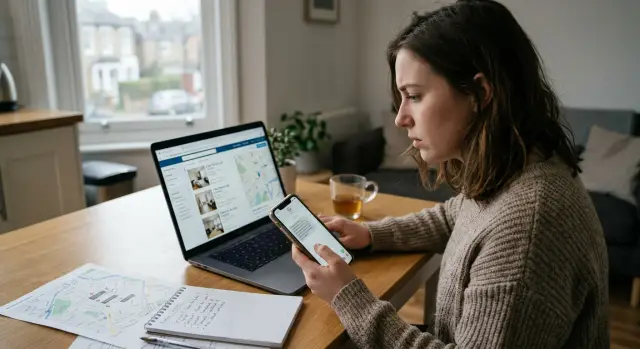
The message usually shows up at exactly the wrong moment - right after a tour, an inquiry, or a talk about deposits. When you're already waiting for the next step, a payment request doesn't feel out of place. It feels normal.
Rental searches are messy by nature. One person texts, another emails, and a third follows up from a different number. Fees appear early. Names blur together. That ordinary confusion gives a scammer cover.
The small details do most of the work. A fake message might mention the neighborhood, your move-in month, your budget, or the fact that you have a dog. None of that sounds dramatic. It sounds like a real leasing conversation. That's why rent collection phishing works. It doesn't need a perfect story. It only needs a familiar one.
Pressure does the rest. If the sender says another applicant is ready or the unit will be released by the end of the day, people rush. Few renters want to lose a good apartment over a short delay. Scammers know that. They create urgency because urgency kills the habit that usually stops the scam: checking first.
And the money request itself rarely looks strange. Renters already expect application fees, holding deposits, admin charges, first month's rent, and sometimes last month's rent. A fake payment demand can slip through because it looks boring, not bizarre.
What scammers learn from a rental search
A rental search leaves behind more clues than most people realize. Sometimes a name and phone number are enough to start. If you send a note like "Is the one-bedroom on Oak Street still available?" you've already shared the unit type, the area, and the fact that you're actively looking.
Open house forms often add more. They may ask for your email, budget, move-in date, or how many people will live there. Each detail feels harmless on its own. Together, they let a scammer write a message that sounds specific enough to pass a quick gut check.
Public posts help too. If someone says they're looking for a pet-friendly studio next month, that confirms the search is happening right now. Timing matters. A scam works best when you're juggling tours, paperwork, and replies from several people.
The uncomfortable part is that this does not require a data breach. Ordinary rental activity can give a scammer your name, contact info, the area or unit you asked about, and signs that you're still searching. That is often enough to build a believable opening message.
How broker data fills in the gaps
A rental inquiry rarely tells the whole story. Data broker records can fill in the missing parts. A people-search site may show your current address, past addresses, old phone numbers, and email accounts tied to your name.
That changes the tone of the scam fast. A fake rent request feels much more real when it includes details that seem too specific to guess. If a text reaches the same number you used on a listing, names a street you've lived on, and lands in an email account you still use, it stops looking random.
These records do not have to be perfect to be useful. A half-right profile can still sound convincing. A scammer might pair your rental inquiry with an old address, a secondary phone number, or a relative's name and turn it into a message that feels routine.
That's why data broker privacy matters long before any scam appears. The more public records tied to your name, the easier it is to build a story around you. If you want to cut down that exposure, Remove.dev removes personal information from over 500 data brokers worldwide and keeps monitoring for re-listings, which gives scammers less material to work with.
How household links make the story believable
These scams get more convincing when they pull in another person from your home. Many people-search sites connect names through shared addresses, surnames, and older public records. That can mean a partner, parent, adult child, roommate, or even someone who moved out months ago.
Once a scammer has that link, the message can sound informed without saying much. They might claim your "co-applicant" already confirmed the move, or say they "spoke with" someone at your address. Seeing a familiar name lowers your guard. It makes the story feel less random.
The detail does not even need to be current. Old broker data is often messy, but that can still work in the scammer's favor. If the address is right and one household name is right, many people assume the sender is looking at an outdated office record instead of lying.
That is why rent collection phishing often feels personal. The scammer is not starting from zero. They are using just enough truth to make you fill in the rest. If a payment request names someone in your household, treat that as a warning sign, not proof.
What the payment demand usually looks like
The request usually sounds ordinary. The sender may pose as an owner, broker, leasing agent, or building manager. At first the tone is calm. Then it turns urgent. You might see phrases like "to lock in the unit" or "to avoid losing your spot," followed by a deadline a few hours away.
A believable message often includes small details: the address, the rent amount, your move-in date, or a unit number. If the sender knows those basics, the request can feel like standard paperwork instead of a scam.
The payment method is often the clearest warning. Scammers prefer options that move fast and are hard to reverse, such as bank transfers, wire payments, instant payment apps, prepaid cards, or cryptocurrency. They may also ask you to send money to a person instead of a company account.
The amount is usually chosen carefully. It hurts, but not so much that you stop right away. A scammer might start with a $200 holding fee, then come back for a larger deposit after you pay the first amount. If you hesitate, they often claim other applicants are ready to send money now.
Real landlords and property managers do ask for deposits. The difference is the setup. A fake rent payment demand usually mixes speed, pressure, and a payment method with little protection. If someone wants money today, before a lease is signed or before you've verified who they are, stop there.
A simple example from inquiry to fake invoice
On Monday, Maya sees an apartment listing that looks normal. The photos are decent, the rent fits the area, and the street is real. She sends a short inquiry with her full name, phone number, and preferred move-in date.
By Tuesday morning, she gets a text from someone "following up on your request." The message names the exact street, rent, and unit number. That alone lowers her guard. Most people assume only the real landlord or broker would know those details.
The next message pushes harder. The sender says the owner wants to hold the unit and asks for the first payment before the showing window closes. A PDF invoice is attached. It uses the real street name, the same move-in date Maya mentioned, and a note that says "rent collection for Unit 3B."
What Maya cannot see is how the story was built. Her name can be checked against people-search sites. An old directory or broker record can reveal past addresses. Household links can show who she lives with or used to live with. None of those details proves the sender is real, but together they make the message feel safe.
The scam almost works because each detail is small. Put them together, and the lie feels ordinary. Maya pauses only when she notices the property company in the invoice footer does not match the company from the original listing. The street is right. The unit number is right. That one company name is wrong, and it saves her money.
What to do before you send money
The safest move is simple: step out of the message thread. Rent collection phishing works because it creates pressure. The note sounds routine, the amount looks familiar, and the sender seems informed. That is exactly when you need a pause.
Do not verify the sender by replying to the same email or text. Find a phone number on your own. Use the property firm's public number, the number on a brokerage profile you already trust, or the contact details from the original listing if you know it is real. If the person refuses a live call or keeps pushing you back into text, assume something is wrong.
Before any payment leaves your account, ask for the basics in writing: the full unit address, the move-in date, the total due, clear payment instructions, and a lease or at least a draft. The company or owner name should match across all of it. If they want a deposit first and paperwork later, walk away.
Small mismatches matter. A free email account instead of a company domain, a slightly different spelling of the agent's name, or a payment request from "accounting" with no lease attached is enough reason to stop. Real rentals can survive a 20-minute phone call and a written confirmation. Fake ones often fall apart when you ask for both.
Mistakes that make the scam easier
Most fake payment demands work because the target is already expecting a message about an application, a tour, or a deposit. The scammer doesn't need to invent a whole new story. They only need to nudge an existing one.
A common mistake is sending money before you have a real lease in front of you. Another is trusting surface details like caller ID, profile photos, or a clean invoice with a real estate logo. Those are easy to fake. The clue is often much smaller: an off email address, a mismatched bank name, or a company name that changes halfway through the conversation.
People also reveal too much when they feel rushed. If someone says your application will be dropped unless you reply in 10 minutes, it's easy to start proving you're serious. You send an ID photo, your work address, your move-in date, or the amount you have ready for a deposit. That gives the scammer more material for the next message.
Household details make this even easier. If the sender already knows a roommate's name, a past address, or a relative connected to your home, the message feels familiar. That is another reason to reduce what is publicly attached to your name before a scam starts.
A short check before you pay
Use this quick check before sending anything:
- Match the sender to the original listing. The email address, phone number, company name, and spelling should line up exactly.
- Check the timing. If they want money before a lease, screening result, or clear paperwork, stop.
- Look at the payment method. Wire transfers, gift cards, crypto, and instant payment apps are common scam choices because they are hard to reverse.
- Confirm the unit and the person through an independent source. Call the brokerage or building office using a number you found yourself.
- Treat personal details as noise, not proof. Your address history, relatives, and household links may already be public on people-search sites.
A simple rule helps: if the message creates urgency and skips normal steps, slow down.
What to do next
If a rent demand feels off, stop the conversation and save everything before the sender deletes or edits it. Keep screenshots of the listing, emails, texts, the sender's name, phone number, email address, payment instructions, and any invoice or lease file they sent.
Then report the fake listing or message where you found it. Flag the listing on the rental site, mark the email as phishing, and report the account through the messaging or payment app if one was used. If you live with a partner, roommate, or family member, tell them what happened. Scammers often try a second person when the first target stops replying.
If you already sent money, contact your bank or payment provider right away and ask whether the transfer can be stopped or flagged as fraud. Speed matters here.
It also helps to reduce the public trail that made the scam believable. Search your name, phone number, old addresses, and household members on people-search sites and request removals where you can. If you want that process handled for you, Remove.dev automates removals, uses privacy requests under laws such as CCPA and GDPR, and keeps checking for re-listings so the same details are less likely to resurface later.
FAQ
What is rent collection phishing?
It is a fake payment request that shows up during a real apartment search. The sender pretends to be an owner, agent, or manager and asks for a fee, deposit, or rent before you fully verify who they are. It works because the request looks normal, not dramatic.
How did they know the unit, my move-in date, or my phone number?
Scammers can pull details from your listing inquiry, open house forms, public posts, and people-search sites. Even a short message can reveal the area, unit type, move-in timing, and the fact that you're actively looking. That is often enough to build a believable text or invoice.
Is a deposit request always fake?
No. Real rentals do ask for deposits and fees. The problem is the setup: pressure, rushed deadlines, missing paperwork, or money sent to a person or app with little protection. A normal landlord should be able to survive a phone call and written confirmation.
What should I check before sending any rent or holding fee?
Step out of the message thread first. Then confirm the person and unit through a phone number or office contact you found on your own, and make sure the company name, address, amount due, and lease details all match. Small mismatches are a good reason to stop.
Which payment methods are the biggest red flag?
Wire transfers, crypto, gift cards, prepaid cards, and instant payment apps are the biggest warning signs because they move fast and are hard to reverse. A request to send money to an individual instead of a company account is also a bad sign. When in doubt, pause until you verify the rental through an independent source.
What if the message mentions my roommate, partner, or parent?
Treat that as a warning, not proof. Household names often show up in broker records and people-search sites, even when the data is old or messy. A scammer only needs one familiar name to make the story feel real.
Should I reply to the same text or email to verify the sender?
No. Verifying through the same text or email keeps you inside the scammer's story. Call the property firm, brokerage, or building office using contact details you found yourself. When someone avoids a live call and keeps pushing for payment, walk away.
What should I do if I already sent money?
Contact your bank or payment provider right away and ask whether the transfer can be stopped or flagged as fraud. Save the invoice, listing, messages, payment details, and screenshots before anything gets deleted. After that, report the fake listing or account on the site or app where you found it.
Can old addresses or broker records still be used against me?
Yes. Old addresses, past phone numbers, and older emails can still make a scam look convincing, especially when they are mixed with current rental details. Half-right information often passes a quick gut check. That is why old broker records are still a problem.
How can I make these scams less convincing in the future?
Share less during your search, and remove public data where you can. People-search sites and broker records give scammers material for personalized payment requests. If you want help, Remove.dev removes personal information from over 500 data brokers and keeps watching for re-listings, which cuts down what strangers can use against you.