Storm repair scams: how public records expose homeowners
Storm repair scams often start with details pulled from property records and data sites. See why homeowners get targeted and what to clean up first.
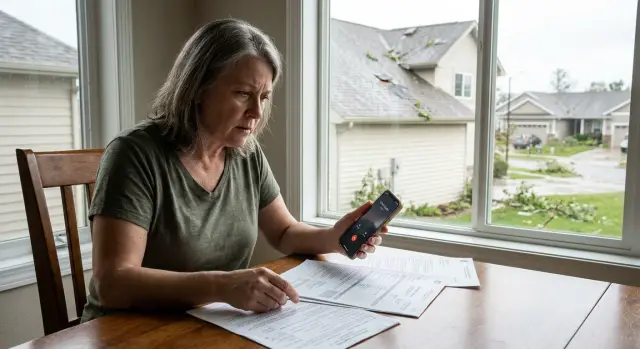
Why these calls feel personal
A storm scam works because it does not sound like a scam at first. The caller does not open with money. They open with details that sound familiar.
They might mention your street, the type of roof common in your neighborhood, or the year you bought the house. Some say they were "helping a neighbor nearby" or working a few streets over. That makes the call sound local and informed, even when the person has never been near your property.
A lot of those details come from public records and people-search sites. If someone can match your name to your address, they can usually pull enough facts to sound believable for a few minutes. For storm repair scams, that short window is often enough.
Timing does the rest. Right after hail, wind, or heavy rain, homeowners are already worried about damage, insurance deadlines, and the next round of weather. When you are trying to figure out whether the roof is leaking, a caller who sounds specific can slip past your usual skepticism.
Picture a quick call the day after a hailstorm: "We were in your area on Cedar Lane. Homes with architectural shingles like yours took a hit. Since your house sold a few years ago, your roof may be around the age where granule loss starts to show." None of that proves they inspected anything. It just sounds close enough to lower your guard.
That is the real goal. First they want trust. Then they push for a deposit, a signed form, insurance information, or permission to "start paperwork" before you have checked who they are.
Many people assume scams start with wild promises or obvious pressure. Plenty do not. They start with a calm voice, a few public facts, and the feeling that this person already knows your home.
What scammers can learn from public records
A property record can tell a stranger more than most homeowners expect. In many places, county tax and property pages show the owner's full name, the home address, and a separate mailing address if tax bills go somewhere else. That alone is enough to make a cold call sound personal from the first sentence.
A standard property record may also show when the home was built, the lot size, and the assessed value. Those details help a caller sound believable. If they know your house was built in 2004 and sits on a quarter-acre lot, they can talk as if they already inspected it or handled work nearby.
Past sale records add more. A last sale date can suggest how long you have owned the home and whether you may still be dealing with lender mail, escrow notices, or warranty offers. In some counties, deed or mortgage filings also reveal lender names or loan documents. A scammer does not need every detail. One or two facts are plenty.
People-search sites make this even easier. They copy public records, mix in other data, and turn scattered details into a simple profile. That is where phone numbers, past addresses, age ranges, and relatives often appear. Now a caller can say your name correctly, mention a family member, and use a local address without ever having met you.
With that mix of records, they can quickly match a property owner to a current phone number, figure out whether the owner lives at the house or somewhere else, guess whether the home has equity, and sound local by naming nearby streets. That is why storm repair scams often feel oddly specific. The scammer may not know anything special about you. They just know how to stitch together public information until it feels like a real relationship.
Some of this data stays public because property ownership records are part of how local government works. The easier win is the extra layer built by broker and people-search sites. Those sites turn ordinary records into an easy contact list. That is also where a service like Remove.dev fits naturally, since it focuses on removing personal data from broker sites rather than trying to erase county records that usually stay public.
Why storms create an opening
After a major storm, whole neighborhoods need help at the same time. Roof leaks, broken siding, fallen branches, and shattered windows all compete for attention. When many homes have the same problem, a scam call does not feel random. It feels plausible.
That is what makes storm repair scams work so well. The caller does not need a perfect story. They just need to sound like one more contractor, inspector, or insurance helper calling a busy homeowner on a rough day.
Storms also change what feels normal. If your roof may be damaged, you expect calls, texts, and people knocking on the door. Questions about a claim number, your carrier, or when an adjuster is coming do not sound strange in that moment. Even careful people lower their guard when the topic matches what they are already dealing with.
Real repair companies are often booked solid after big weather events. That creates another opening. If someone says, "We can inspect tomorrow," it is hard to ignore. If they add that materials are limited or crews are filling up, that can sound believable too, because delays really do happen after storms.
There is also a numbers advantage. A scammer can contact hundreds of homeowners in one damaged area and only needs a few people to say yes. One rushed deposit, one signed form, or one agreement to share insurance details may be enough.
The pressure builds fast because homeowners are trying to stop more damage, talk to insurance, find a real contractor, and compare costs at the same time. That mix of urgency and uncertainty is where mistakes happen. People answer numbers they would usually ignore. They trust someone who knows the street name. They sign before comparing bids.
A storm does not create the scammer. It creates the moment when the pitch is most likely to work.
A simple example after a hailstorm
The day after a hailstorm, your phone rings. The caller says their crew is already working two streets over and can stop by your house this afternoon. That sounds plausible, and that small detail is often enough to lower your guard.
Then they add one more fact: your roof is about 15 years old, so it is "probably due" for damage. That can sound like insider knowledge, but it may have come from an old home listing, a county property page, or a broker site that copied sale details years ago. If your name, address, phone number, and property history are easy to find, the caller does not need to guess much.
Now the pitch gets tighter. They say inspections are filling up fast and ask for a deposit before inspection day to hold your place. Maybe it is $300. Maybe it is $800. The amount is not the point. They want money before you have seen a license, a written estimate, or even a real truck in your driveway.
What makes this believable is not one big lie. It is a stack of small details: they know your street name, they mention nearby work, they know roughly when the roof was installed, and they call right after a storm when people are already worried.
That mix feels personal, but it is often assembled from public records and copied listings. A scammer can sound like a local contractor without being local at all.
The safer move is boring, and that is fine. Do not pay anything on the call. Find the company yourself, check that it exists, and ask for an inspection before any money changes hands. If you want fewer of these convincing calls next season, clean up old property listings and broker pages that connect your home details to your phone number.
How to check what is already online
Start with a quick self-search before storm season, not after a roofer calls you by name. These scams sound convincing because the caller already knows who owns the house, where it is, and how to reach the owner.
Open a private browser window first. That lowers the chance that your past searches or logins change what you see.
Search your full name together with your street name and city. Then run a second search with only your home address. Those two searches often show different results, and both matter.
You are looking for pages that list your phone number, connect your address to relatives, show your house with owner details, or bundle your age range and past addresses into a people-search profile. Do not stop at the first page of results. Scam callers do not need perfect data. If they can match your name, address, and one phone number, that is often enough to sound local and real.
Take screenshots as you go. Save the page name, the date, and what information appears. That gives you a simple before-and-after record, which helps later if you remove listings and want to see whether they returned.
Repeat the same searches for your spouse or anyone else tied to the home, such as a co-owner or family trust contact. One person may have a much bigger online trail than the other. That weaker point is often what exposes the household.
A small example makes this clear. After a hailstorm, a scammer may call saying they are "already working your block" and ask for the person who owns the property. If a people-search site shows both spouses, a phone number, and the address pin, that pitch suddenly sounds believable.
If you find your details on a long list of people-search sites, a service like Remove.dev can save time by handling removals across many brokers and tracking whether the listings come back. Even if you do it yourself, this first search gives you a clear starting point.
Which listings to clean up first
Start with the pages that give a caller two things at once: your address and a way to reach you. That combination is what makes these calls sound real. If someone can say your street name and call the right number, they already seem more local than they are.
A simple rule helps: clean up copied listings first. Scammers usually do not need the original county file if a people-search page has already turned it into an easy profile.
People-search pages are usually first on the list. They often show your full name, current address, mobile number, age range, and past addresses on one screen. Data broker profiles come next, especially the ones that add relatives, roommates, and property details. Old real estate pages matter more than most people think too. A stale sale listing can show the owner name, photos of the house, price history, and notes that help a caller guess your situation.
Business listings tied to your home address should also be cleaned up quickly. If a side business, LLC, or contractor profile uses your house as a public address, it gives strangers another path to your door. Social profiles come after that. Posts about roof damage, insurance claims, or being away from home can make timing much easier for a scammer.
If you only have 20 minutes, search your name, street address, and phone number in different combinations. Focus on the first-page results and any page that repeats across several sites.
One practical note: broker pages tend to come back. That is why some homeowners use Remove.dev to handle removals from over 500 data brokers and keep checking for re-listings. Even if you handle it yourself, the same rule applies. Clear the pages that mix contact details, home details, and family details first. Those pages give scammers the best script.
What you can remove and what may stay public
Some of your information is hard to take down. Some of it is not. That split matters if you want fewer scam calls after a storm.
County property records often stay online because local governments publish them by law. That can include your name, parcel details, sale date, assessed value, and the address tied to the property. In many places, you cannot opt out of the record itself.
That does not mean every extra detail has to stay attached to it. The public record may exist, but the copied versions on other sites are usually a different story.
Aggregator sites and people-search pages are often more flexible. They collect data from county files, old marketing lists, social media, and other brokers, then bundle it into a profile that is much easier for scammers to use. Start with the details that make a stranger sound familiar: phone numbers, relative names, age ranges, old addresses, map pins, and any page that places those details next to your home address.
The practical goal is not total invisibility. For most homeowners, that is unrealistic. The goal is to make it harder for a stranger to connect your house, your phone number, and your family details in one quick search.
Mistakes that make storm scams easier
Some mistakes hand scammers exactly what they need: proof of damage, a working phone number, and a reason to sound believable. That is why these scams often work on careful homeowners, not just careless ones.
One common mistake is posting repair photos with your full address somewhere in the frame. A mailbox, curb number, street sign, or shipping label is enough. If the photo also shows a damaged roof, fence, or siding, you have given a stranger both your location and the problem they can call about.
Another mistake is trusting a caller because they know one true detail. Maybe they mention your street, your lender, the age of the home, or that a hailstorm hit your area yesterday. None of that proves they are real. Public records, neighborhood posts, and old people-search pages can supply enough facts to fake trust in under a minute.
Money is where small pressure turns into a real loss. Paying a deposit before you get a written scope of work is risky, especially after a storm when crews claim they are fully booked and you need to act now. The pressure itself is the warning sign.
There is also a quieter mistake: leaving old listings online because they seem harmless. A stale home sale page or people-search profile may look irrelevant until someone uses it to sound local on the phone.
A quick check before you hire anyone
Right after a storm, speed feels urgent. That is exactly when these scams work best.
A caller may know your street, mention roof damage in your area, and push you to act before "the crew leaves town." Slow the pace down. A real contractor can wait long enough for you to check the basics.
Use this short filter before you sign or pay anything:
- Match the company name on the estimate, invoice, and website. Small differences matter.
- Ask for license and insurance details in writing. If they dodge, stall, or send blurry screenshots, walk away.
- Treat same-day pressure as a bad sign. "Sign now or lose the price" is a sales tactic, not a storm emergency.
- Compare the phone number in more than one place.
- Never pay by gift card, wire transfer, or crypto.
A simple example: after a hailstorm, someone knocks and says they are already working on two homes in your subdivision. Maybe that is true. Maybe they pulled your address from public records and guessed. Before you let them inspect anything, ask them to leave a written estimate with the full business name and callback number. Then verify it on your own, without using the number they just gave you.
Also check who contacted whom. If you found the company yourself, that is one thing. If they called you out of the blue, knew your address, and wanted money fast, be much stricter.
This takes about 10 minutes. It can save you weeks of dispute, a bad repair job, or money you never get back.
What to do before the next season
The best time to cut down storm repair scams is before the weather turns. Once a hailstorm or wind event hits, people make fast decisions. That is when a stranger with your address, phone number, and a story about "nearby jobs" can sound convincing.
A little prep helps more than most homeowners think. Ten quiet minutes every few months can make those calls feel less personal and much easier to ignore.
Start with a basic search for your full name, home address, and phone number. Do it the way a scammer would. If you see people-search pages, old directory entries, or broker listings that tie all three together, put them on your cleanup list.
Then do four simple things: remove broker and people-search listings before storm season starts, check again every few months because removed records can come back, keep two or three vetted local contractors in your phone before you need them, and save each contractor's real business name and direct number.
That contractor list matters. After a storm, stress makes "I can come by in an hour" sound good. If you already have a short list of licensed local companies, you are less likely to trust a cold caller or someone knocking on your door with a vague company name.
Say a roofer calls the day after a storm and says they were "already working on your street." If you have your own list, you can hang up, call a company you chose earlier, and compare what they say. That pause alone can stop a bad decision.
If you want to handle the privacy cleanup yourself, start with the listings that show your address and phone number together. That pair is often enough to make weather-related fraud feel local and believable.
If you do not want to track dozens of sites by hand, Remove.dev can automate that work. It removes personal data from over 500 data brokers, monitors for re-listings, and gives you a simple way to track requests without spending hours chasing each site yourself.
Before the next storm season, aim for one result: fewer public listings, fewer surprise calls, and one trusted number to call when real damage happens.