Tax season identity theft and public address history
Tax season identity theft often starts with public address history. Learn what records to check, how refund fraud works, and what to fix before filing.
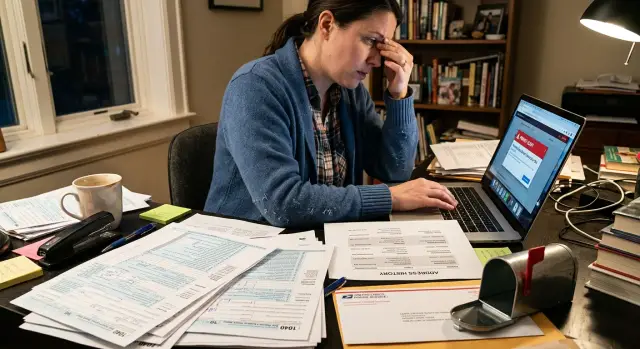
Why public address history matters at tax time
Your address history seems harmless. At tax time, it is not.
Old and current addresses help prove that you are a real person, and many tax systems still use address details during identity checks. If someone already has your name, date of birth, or part of your Social Security number from another leak, past addresses can fill in the blanks. A current address can help with account lookups. An old one can help answer security questions or make a fake filing look believable.
That is one reason identity theft spikes during filing season. More tax accounts, forms, notices, and support channels are active at the same time. People expect tax mail, tax emails, and address checks, so suspicious activity can blend in with normal seasonal traffic.
Public address history is also easier to find than most people realize. People-search sites, data broker records, court filings, property records, voter data in some places, and old marketing databases can all expose where you live now or where you used to live. Even a move from a few years ago can still matter if that address remains in broker listings.
A criminal does not need your whole life story. Sometimes two or three old addresses are enough to pass a basic check, sound convincing on a support call, or make a fake tax return look consistent. That small pile of facts can be enough to start refund fraud when it is paired with other stolen data.
Before you file, it helps to see where your address history is still showing up. The fewer broker listings and public records tied to you, the fewer easy places someone has to piece together your identity.
How refund fraud usually starts
Most refund fraud does not begin with one huge breach. It often starts with a rough profile built from small pieces of real information: your name, date of birth, old addresses, phone number, and family links. A thief might pull some of that from data broker records, buy more from a leak, and fill in the rest with what people post online or throw away.
That is why public address history matters so much here. An old address may look harmless on its own. Paired with a leaked Social Security number, a login, or an email account, it helps make the stolen profile feel real enough to pass simple checks.
A fake tax return usually works because the person filing it knows just enough to answer questions meant to stop fraud. Address history can help a thief:
- match identity verification prompts
- guess which employer, bank, or tax account still has an old address on file
- redirect paper notices or refund mail
- keep fake forms consistent across different accounts
One small data point can make other stolen data much more useful. A leaked Social Security number is dangerous by itself, but it is easier to use when it comes with a current or previous address. Reused passwords make the situation worse. If someone gets into an old email account, they may find tax forms, W-2s, or account recovery messages. If they can see your mail too, the picture gets clearer fast.
Picture a simple case. A thief buys a record with your name, two past addresses, and a phone number. In another breach, they get part of your Social Security number and an old password. Then they break into an email account you stopped checking. From there, they can reset other logins, read tax messages, and file before you do.
That is how refund fraud usually happens. Not with perfect data, but with enough matching details to look real for a short window.
How mail interception makes it worse
Public address history creates a second problem after data exposure: your tax mail may stop going only to you.
If an old address still appears in data broker records, account profiles, or public records, tax fraud gets easier. A thief does not need a full file. One tax form, one IRS letter, or one bank notice can fill in missing details.
Late winter mail is especially sensitive. Paper W-2s and 1099s still arrive at many homes. The IRS may send an Identity Protection PIN letter, a notice about account changes, or a letter asking you to verify something. Banks may mail alerts about a transfer, a changed mailing address, or a replacement card. If any of that goes to the wrong place, you may not notice until your return is rejected or your refund never shows up.
Old addresses create trouble in very ordinary ways. Maybe you moved last year and one payroll system never updated. Maybe a people-search site still ties your name to an apartment building with open mail slots. Maybe you used to live with roommates and mail still lands in a shared space where anyone can see it. Someone who knows enough about you may also try to reroute mail for a short period, just long enough to catch tax documents or refund notices.
When tax mail goes to the wrong place, the damage can be small at first and serious later. A 1099 can land at a former address and give someone what they need to complete a fake return. An IRS PIN letter can go elsewhere, leaving you unable to file when you expect to. A bank notice about a transfer can sit in the wrong mailbox until the money is gone. A refund check or debit card can end up with someone else.
This is why mail problems and refund fraud often show up together. The theft may start online, but paper mail gives the thief timing, account clues, and confirmation that an old address still works.
What to check before you file
You do not need a full audit of your life. You need a clean review of the places where address history, tax forms, and payment details can be misused.
Check the records that control where your documents, notices, and money go:
- Look at the past and current addresses that appear on people-search sites and data broker records.
- Check the mailing address on your IRS account and your state tax account.
- Review your employer or payroll portal, especially how your W-2 is delivered.
- Confirm the bank account details you plan to use for your refund.
- Pull your credit reports and read the address section line by line.
Data broker records matter more than most people think. If your old addresses are easy to find, a scammer has more ways to answer security checks, guess where mail may still be sent, or make a fake story sound real. Even one outdated listing can cause trouble if it points to a place where someone else now gets your mail.
Then check the tax side. Make sure the mailing address on your IRS and state accounts is yours and look for notices you were not expecting. A notice you never saw, or one sent to a prior address, can be the first sign of fraud.
Your W-2 details deserve a quick look too. If your payroll account was changed from electronic delivery to paper, or if it still points to an old address, fix that before filing. Do the same with your refund account. Read every digit twice. Refund theft is sometimes as simple as a switched bank number.
Credit reports can give you an early warning. Unexpected address changes often show up there before you notice anything else. If one record looks wrong, correct it before you file. One bad address can be enough to send a tax notice or refund into the wrong hands.
A review you can do today
Pick one address that should appear on every tax-related account right now. Use the place where you can safely receive mail, tax forms, and identity checks. If you moved recently, this step matters even more.
A lot of tax fraud starts with small mismatches. One old address in the wrong place can send a notice to the wrong mailbox, trigger extra verification, or give a scammer one more clue to work with.
A quick review looks like this:
- compare the mailing address on your IRS and state tax accounts with your employer, bank, and credit reports
- search your name and past addresses to see which broker listings still expose old details
- update outdated addresses before you submit your return
- keep a short record of each change, including the date and account
Do not assume one update reaches every system. It usually does not. Your bank may be current while payroll still has an apartment you left two years ago. That split can cause delays, extra verification, or mail sent to the wrong place.
When you search exposed address history, pay attention to more than the street name. Check unit numbers, old ZIP codes, misspelled cities, and addresses tied to relatives or roommates. Those details often stay in broker records long after you move.
If you find public listings, note them before you file. If you want help with that cleanup, Remove.dev removes personal information from data brokers and keeps monitoring for relistings, which can cut down the manual work.
Signs something is already wrong
Some warning signs show up before any money goes missing. Others hit all at once, usually when you try to file.
One of the clearest signs is a rejected return that says a return was already filed in your name. If you know you did not file yet, treat that as urgent. Someone may have used your Social Security number and personal details to claim a refund first.
Missing mail is another bad sign. If IRS letters stop arriving, or a W-2 or 1099 never shows up when it usually does, your mail may be going somewhere else. A stolen or redirected piece of mail can give a thief just enough detail to finish the job.
Watch for changes you did not make. That includes alerts about a new mailing address, a password reset, an updated bank account, or a notice that your refund was sent to an account you do not recognize. At that point, the fraud may already be in motion.
Your credit report can also tell you a lot. If it shows an address you have never lived at, do not dismiss it as a harmless mistake. A wrong address can mean your identity has been tied to another location, which makes tax fraud and account takeover easier.
These signs deserve same-day follow-up:
- your e-filed return is rejected because one already exists
- the IRS says a refund was sent to an unfamiliar bank account
- expected tax mail from the IRS or your employer stops arriving
- your credit report shows an address you do not know
- you get account change notices you did not request
If even one of these shows up, pause before filing anything else. Check your IRS notices, confirm your address with your employer and banks, and review the broker records that still expose old addresses.
A simple example of how this happens
Sonia moved twice in two years. First she left an apartment for a rental house across town. Eight months later, she moved again after changing jobs. She updated her bank, her employer, and the post office. Most people would assume that covers it.
Often, it does not.
Her old addresses still appear in public address history pages and broker records. So even though Sonia lives somewhere new, her past two addresses still show up beside her name.
By February, most of her mail reaches the right place. One piece does not. A tax form from a side job goes to the first apartment because that company never updated its records. The envelope sits in a shared mail area, and someone else sees it before Sonia knows it arrived.
No hacking. No special tools. Just one missed letter with her name, an old address, and a tax detail that confirms she had income from more than one source.
Now the person who saw that form can connect a few dots. Sonia's old addresses are public. Her move history helps make her profile look real. With enough personal details, someone files a fake return before she does or changes refund details so the money goes somewhere else.
Sonia finds out when her real return is rejected because one was already filed under her Social Security number. In another version of the same story, the return goes through but the refund lands in an account she has never seen before. What started with stale broker records and one stray envelope turns into refund fraud.
That is why this kind of theft often starts small. The move is over, but the old address trail is still out there.
Mistakes that make the risk worse
Most tax scams do not start with one huge mistake. They get easier when a few smaller habits line up.
One common mistake is waiting until after you file to look at your address records. By then, a thief may already have used an old address to answer security questions, open a tax account, or send forms somewhere you do not control. A quick review before filing gives you a chance to catch old apartments, wrong unit numbers, or family addresses that still follow your name around.
Another mistake is trusting mail forwarding too much. Forwarding helps, but it does not catch every tax document, bank letter, or replacement card. Some mail still goes to the old address. Some gets delayed. Some never reaches you.
Old data broker profiles are easy to ignore because they look stale. That is a bad bet. An address from six years ago can still help with identity checks, account recovery, or fraud screens. If your public address history still shows past homes, former names, or relatives tied to your record, that may be enough for someone to build a convincing tax fraud attempt.
Routine can also work against you. Using the same bank account every year is normal, but it helps to add extra checks around it. Turn on alerts. Review direct deposit details twice. Use a fresh password for your tax software and email, and add two-factor authentication if it is available. If someone gets into your email first, they can reset other accounts quickly.
A lot of people skip their credit report during tax season because taxes and credit feel like separate problems. They are not. A new loan, card, or address change can be an early sign that someone is using your identity more broadly. Even if refund fraud is the first worry, credit activity can tell you whether the problem is bigger than one fake return.
A good rule is simple: do not wait for the refund to prove everything is fine. Check your address trail, your mail path, your account access, and your credit file before you submit anything.
A quick check before you submit
A last review can catch the small problems that often lead to fraud. It takes a few minutes and is worth doing before you file.
Make sure the same current mailing address appears anywhere that affects your return or your mail: your payroll account, your tax prep account, your bank profile for direct deposit, any IRS or state tax account you use, and your mail forwarding settings if you moved recently.
One mismatch is enough to cause trouble. If a W-2, 1099, or tax notice went to an old address, someone else may have seen information they should never have had.
Then confirm that every tax document you expected actually reached you. Missing mail matters. So do forms that arrive late, show the wrong address, or list income you do not recognize. Those are often early signs of mail problems or refund fraud.
Next, check your direct deposit details slowly, digit by digit. Most people glance at the account number and move on. That is an easy mistake. If someone changed the bank details in one account, your refund can disappear fast.
Take one more look at your public address history. Search for your name and old addresses on people-search sites and data brokers. If stale or wrong addresses are still exposed, send removal requests where you can. A one-time search is better than nothing, but repeat listings are common.
Finally, save proof of what you checked before you file. A few screenshots and short notes can save time later. Write down the date you reviewed your address and bank details, which forms you received, any missing notices, and any broker listings or removal requests you found.
What to do next
If something looks wrong, move fast and keep it simple. Tax fraud gets harder to stop once a fake return is accepted or your mail starts going somewhere else.
If you see a filing you did not make, a refund you did not request, or a notice sent to an old address, contact the IRS right away and contact your state tax agency if you file a state return. Ask what identity theft steps they want you to take, and keep a record of every call, letter, and case number.
If you find address changes you did not make, treat that as a bigger warning sign. Check your credit reports for unknown addresses, accounts, or inquiries. If anything does not match your history, place a credit freeze with the major credit bureaus.
Mail matters too. If tax letters, W-2s, 1099s, or bank mail stop showing up, do not wait to see if it fixes itself. Missing mail often means someone is using your old address trail against you.
For the cleanup work, keep watching the records that expose your address history. People-search pages and data broker records can relist you even after one removal goes through. That is why one cleanup pass is often not enough. If you want a more hands-off option, Remove.dev works across more than 500 data brokers and keeps monitoring for new listings, which helps when old addresses keep coming back.
Next 7 days
A calm plan works better than trying to do everything at once:
- contact the IRS and your state tax agency if any filing or notice looks wrong
- check your credit reports for unknown addresses and freeze credit if needed
- review the broker records tied to your old addresses
- save screenshots, letters, and dates in one folder
- keep watching your mail and refund status until things look normal again
The goal this week is simple. Close the obvious gaps first, then make it harder for your old address history to become the same problem next tax season.
FAQ
Why do old addresses matter during tax season?
Because old addresses help a scammer make stolen data look real. If they already have your name, date of birth, or part of your Social Security number, a past address can help them pass identity checks, answer support questions, or make a fake return look believable.
Can someone file a fake return with my address history?
Sometimes, yes. An address alone is usually not enough, but two or three past addresses paired with other leaked details can be enough to file first, redirect notices, or change refund information.
What should I check before I file my taxes?
Start with your IRS account, state tax account, employer or payroll portal, bank account for direct deposit, and your credit reports. Then search for your name and old addresses on people-search sites and data broker pages to see what is still exposed.
How can I tell if my tax mail is going to the wrong place?
Watch for missing W-2s, 1099s, IRS letters, or bank notices that usually arrive on time. A return rejection saying one was already filed, or an alert about an address or bank change you did not make, is also a strong warning sign.
Is mail forwarding enough after I move?
No. Forwarding helps, but it does not catch every form, notice, or bank letter. You still need to update each account directly and confirm the right mailing address is on file.
What should I do if my return is rejected because one was already filed?
Treat it as urgent. Contact the IRS and your state tax agency right away, ask about identity theft steps, and keep records of every call and notice. Then review your address records, bank details, email access, and credit reports for other changes you did not make.
Should I check my credit reports for tax fraud?
Yes, because wrong or unfamiliar addresses often show up there early. If you see an address you never used, fix it fast and look for other signs that someone is using your identity.
Do data broker sites keep my old addresses for a long time?
They can stay up for years, even after you move. Some sites also relist old addresses later, which is why one cleanup pass often is not enough.
What is the fastest check I can do before submitting my return?
Pick one current mailing address and make sure the same one appears on your IRS account, state account, payroll account, bank profile, and tax software. Then read your direct deposit numbers slowly and confirm you received every tax form you expected.
How can Remove.dev help with public address history?
Remove.dev finds and removes exposed personal data from more than 500 data brokers and keeps watching for relistings. That can cut down the manual work and make it harder for someone to use your old address trail during tax season.