Toll payment text scam: how public vehicle data helps
A toll payment text scam works better when plate photos, old sale ads, and broker profiles reveal your city, car, and contact details.
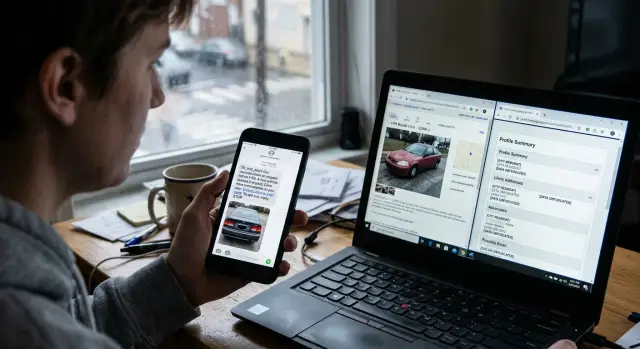
Why these texts feel real
Smishing is phishing by text message. Instead of a fake email about your bank or password, you get a short note on your phone saying you owe money and need to pay now.
A toll payment text scam works because it doesn't look dramatic. The message is usually plain, brief, and boring on purpose. That makes it feel more like a routine account alert than an obvious scam.
The amount matters. If the text says you owe $4.85 or $11.20, a lot of people won't stop to question it. A small charge feels like something you could have missed on a busy day, especially if you recently drove through a toll area, or even think you might have.
The personal details do the rest. If the message mentions the right city, the right toll road, or a vehicle detail that seems familiar, your brain fills in the gaps fast. You stop asking, "Is this real?" and start thinking, "When did this happen?"
That's why these messages feel personal instead of random. Scammers don't always need a hacked account or a full file on you. Sometimes a few matching details are enough: your name on a broker profile, an old car sale listing, or a plate photo tied to the area where you live or travel. One correct clue can make the whole story sound true.
Picture a driver in Dallas who once listed a car for sale online. Later, they get a text about an unpaid toll for $7.40. The city matches. The idea is plausible. The amount is low. Plenty of people would tap before they think.
That quick trust is the trick. The message doesn't need to be perfect. It only needs to sound close enough to your real life for a few seconds.
Where your vehicle trail becomes public
A lot of people assume vehicle data stays private unless they post it themselves. That's rarely true. Old sale listings are one of the most common leaks, and they can stay online for years after the car is sold.
A dealer page, auction archive, trade-in listing, or marketplace post may still show plate photos, the make and model, the year, and sometimes the city where the car was listed. That's enough to start a trail. A scammer doesn't need a full DMV record if a clear plate photo and a rough location are already public.
These pages also spread farther than most people expect. When a car is listed once, the photos often get copied by inventory feeds, search caches, image scrapers, and resale sites. Even if the original post disappears, the same plate image may still be sitting somewhere else.
Common sources include sold dealer inventory pages, auction result pages, old marketplace or classified posts, and copied image pages in search results.
That's only half the problem. Data broker profiles can fill in the missing personal details. A broker may connect a name to phone numbers, past addresses, age range, and relatives. Put that next to a plate photo or an old vehicle listing, and a scammer can make a good guess about who owns the car now or who lives at the same address.
Imagine a simple case: an old listing shows a sedan with a visible plate and a suburb near Dallas. A broker profile for that household shows a mobile number and address history. Now a fake toll text can mention the right metro area, arrive on the right phone, and feel specific enough to trust.
That's why these messages can feel so personal. The scammer may be working from scraps, not secret government files. But when plate photos, stale sale pages, and broker profiles all point in the same direction, even a basic toll payment text scam can look real at first glance.
How scammers match the right city and owner
A fake toll text works better when it feels oddly specific. Scammers know that. They don't need a full government record to create that feeling. A few public scraps can be enough.
One plate photo can tell them a lot. The plate design often shows the state, and the frame, background, or parking location can hint at the city or metro area. If the photo came from a marketplace post, dealership listing, or social media upload, it may also reveal where the car was seen.
A sale listing adds another layer. Now they can tie that plate or vehicle photo to the make, model, trim, color, and sale city. That matters because a text that matches your real car feels less random. If you drive a gray Honda in Dallas and the message mentions a North Texas toll road, your brain connects the dots for them.
The last piece is often a broker profile. Data broker pages can connect a name to a mobile number, home address, age range, and past cities. Once someone has a likely phone number and a city that fits the car, they can send a text that sounds local and personal enough to get a click.
A simple match might look like this: a public car listing shows a Florida plate on a black SUV in Orlando. A broker page lists an Orlando resident with that same make and a mobile number. The scam text then mentions an unpaid express lane fee in central Florida. Nothing in the message proves it's real, but the details make it feel plausible.
That is why a toll payment text scam can seem convincing. It's often built from small, boring facts that were never meant to be combined. Plate photos suggest place. Vehicle listings confirm the car. Broker profiles supply the owner and phone number. Put together, those pieces let scammers write a message that looks like it belongs to your actual life.
How the scam gets built
A scammer doesn't need a hacked DMV database to make a toll payment text scam feel real. Often, it starts with something much simpler: a public plate photo in an old car sale listing, a forum post, or a social post where the vehicle is easy to identify.
That single photo can give away more than most people expect. A plate, car make, model, and small background details can point to where the car is used. If the listing mentions a city, suburb, or dealer, the scammer now has a likely toll region to copy.
They usually look for basic clues: the location named in the listing, the plate style, a dealer frame or service sticker, the neighborhood shown in the photo, or the same car reposted on local marketplace sites.
Once they have a likely city, the next step is matching the car to a person. That's where data brokers make the job easier. A broker profile may show a name, old address, age range, relatives, and phone numbers. Even when one profile is incomplete, a few sites together can be enough to guess the right contact.
Now the scammer has the rough shape of a believable story: the right city, a car that looks local, and a phone number tied to someone who could plausibly own it. The text doesn't need to be perfect. It only needs to feel close enough for a few seconds. A small unpaid toll, a local road name, and a warning about extra fees can do the job.
The message is built for speed. It says payment is overdue, the amount will rise soon, or your account may face a penalty. That pressure matters. The goal is to make you tap before you stop and think, "Did I even drive that road?"
This is also why removing old listings and broker profiles helps. If someone can no longer connect your vehicle trail to your phone number, the scam gets much harder to personalize. If you don't want to handle dozens of broker opt-outs yourself, Remove.dev removes personal data from over 500 data brokers and keeps watching for re-listings, which closes off one of the easiest ways scammers fill in the blanks.
A simple example
Say Maya sold her old SUV last spring. The sale went fine, but the listing never came down from a marketplace site. Months later, the ad still shows the car, the city, and a clear photo of the plate.
That old post gives away more than most people expect. The plate photo points to the state. The listing points to the area where the car was used or sold. If the ad mentions a neighborhood, suburb, or pickup spot, that can be enough for a scammer to guess which toll roads will sound familiar.
Now add a broker page. On another site, Maya's name, mobile number, and city are still public. Maybe there's an old address too. None of that looks serious on its own. Put together, it gives a scammer a believable sketch of a real owner tied to a real vehicle in a real place.
So the text that lands on her phone isn't fully random. It says she owes $6.85 for an unpaid toll on a road near her city and warns that fees will rise if she doesn't pay today. The amount is small enough to feel plausible. The road name sounds close enough to be true. That's often all it takes.
Maya clicks because the details feel familiar. She did own that car. She has driven in that part of town. The phone number is correct, and the city matches. Even if the message looks a little off, the setup feels personal, so her guard drops for a moment.
That's how a toll payment text scam gets its bite. Scammers don't always need secret records. Sometimes an old sale ad, a visible plate, and a broker profile are enough to make a fake toll text feel real.
Step by step: check what is exposed
A toll payment text scam feels real when the sender already knows your car, your area, or how to reach you. To see what they might have, check your public vehicle trail the same way a scammer would.
Open a note and track what you find. Keep it simple: page name, what it shows, whether the plate is visible, and whether it includes a phone number, city, or address history.
Then search in a few directions:
- Search your plate in different formats, with and without spaces, along with your car's make, model, year, and color.
- Search for lines from old sale ads if you ever listed the car online.
- Check image results, not just text results.
- Look at people-search and broker pages under your name, phone number, and old addresses.
- Mark any page that combines more than one clue, especially car details plus a current phone number.
Old listings are easy to miss. A seller photo from two years ago can still be online on a scraper site, even if the car was sold or the original post was deleted. If the plate is readable, that one photo can tie the vehicle to a city or metro area.
Broker pages matter for a different reason. They often show a phone number, age range, relatives, and past addresses on one page. By itself, that may seem harmless. Paired with a public vehicle listing, it's enough to help someone send a fake toll text that feels oddly specific.
Put the worst pages at the top of your list. A page with only a car photo is less urgent than one showing your city, your vehicle, and a live contact number together. That overlap is what makes these scams work.
What to do right away
If a toll payment text scam lands on your phone, pause for a minute. These messages work because they create pressure. The safest move is boring but effective: do nothing from the text itself.
Start here:
- Don't tap the link, call the number, or reply.
- Open your toll account the way you normally do, such as a saved app or an address you typed yourself before.
- Check recent trips, notices, and balances there.
- Report the message as junk or spam on your phone, then delete it.
- If you already clicked, change the password for that toll account and watch your bank or card activity.
A real unpaid toll will still be there when you sign in through your usual path. A fake text often falls apart at that point. The amount may not match, the road may be wrong, or there may be no notice at all.
Then deal with the data trail that made the message feel personal. Old sale listings are a common leak. If you posted your car on a marketplace, forum, or social app, remove the listing if you can. If the post has to stay up, replace clear plate photos with cropped versions that don't show the full number.
Broker profiles matter too. If your name, phone number, past addresses, and vehicle clues sit on people-search sites, scammers have an easier time writing a believable text. You can submit opt-out requests yourself, or use a service like Remove.dev to handle removals and keep monitoring for your data to reappear.
One last thing: tell family members who share the car. A scam sent to a spouse or teenager can still work if the car, city, and timing look right. Five minutes of checking now can save a card dispute, a leaked password, and a lot of stress later.
Mistakes that make it easier for scammers
A toll payment text scam works because it feels small, local, and urgent. Most people don't fall for a wild story. They fall for a text that looks close enough to real life.
One common mistake is trusting the phone number. A local area code means very little now. Texts can be sent through tools that make a message look nearby even when the sender isn't.
Another mistake is replying to ask, "Is this real?" That sounds careful, but it tells the scammer your number is active and that you read their messages. Even a short reply can move you onto a better target list for later texts.
Paying a small fee just to clear the alert is another trap. Scammers know that $3 or $6 feels easier than stopping to check. But that small payment can lead to card theft, extra charges, or a fake site that asks for your name, address, plate number, and phone.
Old vehicle listings cause trouble too. If a sold car is still sitting on a marketplace page with photos, price, plate, and city, that gives a scammer a clean story to work with. They can match the car to the right metro area and build a fake toll notice that feels oddly specific.
The same goes for clear plate photos in public groups. A picture from a parking lot, a meetup, or a "just bought this car" post can reveal more than people expect. Add broker profiles and a phone number tied to your name, and the scam gets much easier to aim.
A safer habit is simple:
- Don't reply to the text.
- Don't pay through the message.
- Check your real toll account by typing the known address yourself or using the official app.
- Remove old sale listings and blur plate photos before posting.
If your personal details are already spread across broker sites, repeat targeting gets easier. That's one reason people use Remove.dev. The service automates removals across more than 500 data brokers and continues monitoring for re-listings, which helps cut down the public clues that make these texts feel personal.
A short checklist before you pay
A good toll payment text scam works because it feels close to real life. The road name sounds familiar. The amount is small enough to seem believable. The timer makes people rush.
Before you tap anything, pause for 30 seconds and run through this check:
- Ask yourself whether you even drove on toll roads in that area.
- Watch for fake urgency, especially threats about immediate penalties.
- Look at the amount. Scammers often use tiny, oddly specific charges like $3.18 or $6.42 because they feel random and real.
- Check the link without opening it. A shortened link, a misspelled domain, or an address that doesn't match the toll agency name is enough reason to stop.
- Confirm the charge in your real account. Open the toll app or site you normally use, or call the number on your statement.
One detail matters more than people think: real toll notices usually fit your travel history. If the text claims a missed toll in Miami but your car has been in Dallas all week, trust that mismatch. Scammers count on you noticing only the word "toll" and the low balance.
A realistic example is a text for $4.27 tied to a highway near a city where your old car was once listed for sale. That little detail can make the message feel right even when the charge is fake. Public plate photos and broker profiles help scammers guess well enough.
If even two items on this checklist feel off, don't pay from the text. Check through the real account first.
Next steps to cut down repeat targeting
The fastest way to get fewer scam texts is to shrink the trail your car leaves online. A toll payment text scam works better when a scammer can match a plate, a city, and a phone number that all seem to fit the same person.
Start with old vehicle listings. They are often the easiest records to find, and they can stay up long after a sale. If an old marketplace post still shows your plate, your neighborhood, or your number, take it down or edit it first.
Photo reuse is a common problem. You delete one listing, but the same photos get copied to another site, or an old cached post keeps circulating. If your plate is visible in pictures, search for the car model, sale price, and a few lines from the ad every few months. It's boring, but it works.
Then work through broker opt-outs. That cuts down the pieces scammers use to make a fake text feel personal, especially your phone number, home address, age range, and relatives. You don't need to remove every profile in one day. Start with the brokers that show your current city and mobile number.
A practical order looks like this:
- Remove or edit old car sale listings.
- Ask broker sites to delete your phone number and address.
- Check whether your plate photos appear on copied posts.
- Repeat the search after a move, sale, or new registration.
If doing broker removals one by one is taking too much time, Remove.dev can handle that work at scale. It removes personal data from over 500 data brokers, uses legally compliant removal requests under laws like CCPA and GDPR, and keeps monitoring for re-listings so the same records don't quietly come back.
This isn't a one-time fix. Check again after you post a car for sale, move, change numbers, or update registration. A little cleanup now can make repeat targeting much harder later.
FAQ
What is a toll payment text scam?
It’s a phishing text sent to your phone instead of your email. The message claims you owe a small toll fee and pushes you to pay through a link before you stop to check whether the charge is real.
Why do these toll texts feel so personal?
Because the scam only needs a few details to sound believable. A plate photo, an old sale listing, or a broker profile can give scammers your city, car type, and phone number, which is often enough to make the text feel familiar.
Can an old car listing really be used against me?
Yes. An old listing can still show your plate, the car’s make and model, and the area where it was sold or driven. That gives a scammer a ready-made story for a fake local toll charge.
What public details make me easier to target?
The biggest risk is when public pages combine your vehicle details with your contact details. A visible plate, sale city, phone number, and current or past address can be enough to aim a scam text at the right person.
How can I check what vehicle information is exposed online?
Start by searching your plate in a few formats, along with your car’s make, model, year, and color. Then check image results, old sale posts, and people-search pages under your name, phone number, and past addresses to see what overlaps.
What should I do if I get one of these texts?
Pause and do nothing from the message itself. Open your real toll account through the app or address you normally use, confirm whether the charge exists there, then report the text as spam and delete it.
What if I already clicked the link or tried to pay?
Assume the site may have captured something. Change the password for the toll account you thought you were using, watch your bank or card activity, and replace the card if you entered payment details.
Why do scammers use tiny dollar amounts?
Usually, yes. A charge like $4.27 or $6.85 feels easy to dismiss as something you forgot, so people rush. That low amount is part of the trick, not proof that the notice is real.
How do I reduce the chance of getting these texts again?
Remove or edit old car ads, and stop posting full plate photos in public. After that, work on broker opt-outs so your phone number and address are harder to match with your vehicle history.
Should I use a data removal service like Remove.dev?
If you want to do the removals yourself, you can. If that turns into too much work, Remove.dev removes personal data from over 500 data brokers and keeps checking for re-listings, so the same records are less likely to pop back up later.