Vehicle ownership data privacy and where it spreads
Vehicle ownership data privacy matters because dealer forms, registrations, and service visits can feed marketers and data brokers without you noticing.
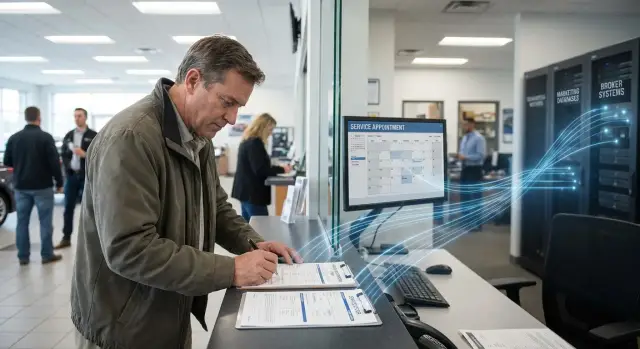
Why car paperwork creates a privacy problem
Most people think about car privacy in terms of GPS tracking, connected car apps, or a phone paired to the dashboard. The quieter risk is paperwork.
A dealer form, registration record, warranty signup, financing application, or service appointment can send your personal details into systems you never see. Those records often hold far more than a name. They can include your home address, phone number, email, vehicle identification number, license plate, purchase date, financing details, and service history.
Each piece might look ordinary on its own. Together, they create a detailed profile: who you are, what you drive, where you live, and how to contact you.
That is why vehicle ownership data privacy matters more than many drivers expect. A car touches a lot of systems at once. Government offices, dealerships, lenders, insurers, repair shops, warranty companies, recall systems, and marketing vendors may all handle some part of the same record. Every handoff creates another chance for your information to be copied, matched, sold, or kept longer than you assumed.
What makes this frustrating is how invisible it feels. You fill out a form to schedule an oil change, ask for a quote, transfer a title, or register a car. It feels like a one-time task. In practice, the data can move much further.
A simple service booking shows how this happens. You enter your name, phone number, email, plate number, and VIN. The shop may use separate software for scheduling, payments, customer messages, and promotions. Now several companies may hold pieces of the same record, even though you only dealt with one business.
Most of this happens quietly. There is no alert telling you your details were matched to older records or added to a broker profile.
That is the real problem behind dealer form privacy and car registration data. The issue usually does not start with a hack. It starts with normal paperwork shared a little too widely, for a little too long.
Where the data starts
Most privacy problems tied to vehicle ownership begin with routine forms. You do not need to sell a car, file an insurance claim, or take out a loan before your details start to spread. Often, the first record appears when you ask for a price, book a visit, or register a vehicle.
A dealer lead form is one of the earliest entry points. Before any sale happens, it often asks for your name, phone number, email, ZIP code, and the car you want. That sounds harmless, but it creates a marketing record tied to shopping intent. Add a trade-in estimate or financing quote, and the file gets much fuller.
Service bookings add another layer. A routine appointment can connect your contact details with a vehicle's make, model, year, VIN, mileage, and the reason for the visit. Over time, those records can reveal patterns such as how often you drive, when you are usually available, and which location services your car.
Registration data is another starting point, and many drivers barely think about it. In some places, parts of car registration data can be shared under state rules or accessed through approved third parties. Once a record enters a commercial system, it can be copied, matched, and resold with other details such as address history or household data.
The sale itself usually creates even more records. Warranty registration, financing paperwork, insurance coordination, and trade-in processing may each produce a separate file. Those files can sit with the dealer, lender, warranty company, auction platform, or outside vendor. Every handoff means another copy.
That is why this data spreads so easily. It does not begin with one dramatic leak. It begins with tasks that feel routine enough to ignore.
How the data moves after you share it
Most people think they are giving details to one business. In practice, the data often moves across several systems within days.
A dealership may collect your name, address, phone number, email, vehicle details, and service history for normal operations. But those records often live inside dealer management software, scheduling tools, customer messaging platforms, and marketing systems run by other companies. Each system can create another copy.
A simple service appointment can travel farther than expected. If you book online, the form may feed a marketing platform that tracks whether you opened the confirmation email, returned to the website, or clicked a later offer. A routine visit becomes a marketing record.
The pattern is usually simple. You fill out a dealer form or book service. The business stores it in software from another company. Marketing tools use the visit to send reminders and promotions. Lenders, warranty firms, or insurers add their own records. Then a broker matches those details with other household data.
The finance side creates even more copies. If you apply for credit, ask for a payment quote, consider an extended warranty, or request insurance options, other companies may receive part of the file. They can keep details such as the vehicle make and model, purchase date, estimated value, address, and renewal timing.
This is where vehicle ownership data privacy starts to break down. A record about a car can be joined to a much broader profile about a home, a family, or likely spending habits.
Imagine you buy a used SUV and later book a brake service. The dealer logs the visit, a reminder system notes your next service window, a warranty company tracks coverage dates, and an insurer updates the vehicle on file. A broker can combine that with your address, age range, and other consumer data to label the household as "owns late-model SUV" or "likely shopping soon."
Once matched, the data does not stay in a neat box. It can feed mailing lists, ad targeting, lead scoring, and resale databases used by companies you never dealt with directly.
That is why dealer form privacy matters more than it seems. The original form may look harmless. The real issue is what happens after the first submission, when the data starts moving between companies with their own reasons to keep it.
How one routine purchase turns into a profile
Picture Mia buying a used SUV from a local dealer. She fills out a credit application, signs title and warranty papers, gives her phone number and personal email, and writes down her home address so the dealer can contact her about pickup. The state registration creates another record with her name, address, vehicle details, and plate number.
It all feels routine. Most people barely pause.
But the information does not stay in one file. The dealer keeps a customer record. The lender keeps another. Registration offices hold one more. A warranty provider, finance software vendor, print mail company, and ad platform may each get part of the same picture.
A few months later, Mia books an oil change. She enters her phone number, VIN, mileage, and preferred time online. At the service desk, she confirms her address and agrees to text reminders. Now there is fresh proof that she still owns that SUV, still lives at the same address, and still uses the same phone number.
Soon the signs show up in everyday life. She starts seeing ads for extended warranties, tire deals, and refinance offers. Calls come in asking whether she wants to sell the car. Mailers mention her vehicle's make, model, and year. A people-search site may even list her current address next to a likely vehicle match, even though she never gave that site her details.
This happens because separate records can be linked through a few shared details: full name, home address, phone number, email, VIN, plate-related data, and dealership or service history. Once those pieces match, a broker or marketing company can tie the purchase, the registration, and the service visit into one profile.
That is the plain truth behind vehicle ownership data privacy. The sale took one afternoon. The profile built from it can keep growing long after the keys are in your hand.
How to limit sharing before it starts
Most exposure begins with small habits, not one big mistake. A dealer, repair shop, or registration office may ask for more than they actually need, and once those details enter a marketing database, they can spread fast.
The best time to protect your privacy is before you hit "submit."
When a form appears, pause for a moment and read the privacy notice. Pay attention to words like "partners," "affiliates," and promotional contact. Those terms often mean your details can move well beyond the service desk.
For a routine oil change or brake check, the business may only need your name, the vehicle details, and one way to contact you. It often does not need a second phone number, your employer, or extra personal details that have nothing to do with the appointment.
Leave optional fields blank unless there is a clear reason to fill them in. Many forms place required fields and marketing fields side by side, which makes oversharing easy.
Also check consent boxes carefully. Some are preselected. If you miss one, you may be agreeing to texts, calls, or data sharing unrelated to the service you asked for.
If you can, use a separate email address or spare phone number for dealer contact. It is a simple way to contain the fallout. If that inbox starts filling with unrelated offers, you know where the leak likely began.
Keep a basic record of what you sent. A screenshot, confirmation email, or short note with the date makes later opt-outs much easier.
At the counter, ask a direct question if something feels unnecessary: "Do you need this for the appointment, or is it for marketing?" That small pause can stop a lot of extra sharing.
What to do after your data is already out there
Once your details have moved beyond the dealership, the job changes. You are no longer trying to prevent sharing. You are trying to find where your information landed, remove what you can, and keep enough records so you do not repeat the same work later.
A good first step is a simple search audit. Look up the details that tend to follow car purchases and service visits into broker files and marketing lists: your full name with your city or ZIP code, your current and old phone numbers, your home address, and your email address. If your plate number ever appeared in a public listing, post, or document, check that too.
If you see your name next to a vehicle make, model, dealership, or service reference, write it down. These small details often get merged into one broader profile.
Then start sending opt-out or removal requests to data brokers and people-search sites. If your state gives you privacy rights, use them. Laws such as the CCPA can let you ask a company to delete your data or stop selling and sharing it.
Do not stop with brokers. Ask the dealer to turn off marketing where the law allows. Sales, finance, and service departments often keep separate contact lists, so one request may not cover all of them. Be specific. Ask them to stop phone, email, text, and mail marketing, and ask whether your data was shared with outside partners.
Then check your connected car account. Many drivers forget this step. Open the car app and review privacy settings, telematics, location history, driver profiles, and account sharing. Remove old users, revoke devices you do not recognize, and switch off sharing settings you do not want.
Keep a simple log with who you contacted, what you asked for, when you sent it, any case number you received, and when to follow up. A plain spreadsheet is enough.
If you do not want to manage every request by hand, Remove.dev can help automate removals across more than 500 data brokers and keep watching for re-listings. That kind of ongoing monitoring matters because car-related records often come back after a new registration, quote request, or service visit.
Common mistakes that keep data in circulation
A lot of exposure comes from habits that feel harmless.
One common mistake happens before you even buy anything. For a simple test drive, a dealer may need enough information to confirm you can legally drive. Many people still give a work email, home address, second phone number, employer, or full financing details right away. If the visit goes nowhere, that extra data can still remain in sales and marketing systems.
Another mistake is using the same phone number and email everywhere. The contact details you use for registration, dealer forms, warranty signups, and service bookings are easy for brokers to match. Once those records line up, the combined profile becomes much more revealing than any single form.
Dealer apps and car apps cause problems too. People install them for reminders, remote start, or service updates, then never review the privacy settings. That can mean extra sharing for analytics, partner offers, or marketing you never intended to allow.
Service visits are easy to overlook, but they create fresh records every time. A tire change, oil service, warranty check, or recall visit can confirm that you still own the car, where you go for maintenance, and whether your contact details have changed. Even if you opted out months ago, a new service record can put your information back into circulation.
The biggest bad assumption is thinking one opt-out solves everything for good. Usually it does not. Your data may already have reached other companies, and new dealer or service records can restart the cycle.
A better approach is boring but effective: share the minimum needed, use a separate email for dealer forms if you can, review app permissions before tapping "agree," and recheck your opt-outs after a purchase or major service visit.
Quick checks before your next dealer visit
A dealer visit feels routine, but it can create a fresh trail of personal data. A five-minute check beforehand can save a lot of cleanup later.
Bring only what the visit needs. If you are there for service, the shop usually needs your contact details, the vehicle information, and payment. It does not always need a second email, a work number, or permission to text you about offers.
Before you sign anything, ask which contact fields are required for the visit and which are used for promotions. Check pre-filled forms carefully, especially small boxes tied to partner offers, updates, or text alerts.
If the dealer wants you to install an app, review what it can access before you accept. Some dealer and service apps ask for location, contacts, Bluetooth access, or broad notification permissions when all you wanted was a maintenance reminder. If the app does not need that access to book an oil change, do not grant it.
After the visit, pay attention to what starts showing up in your inbox, mailbox, and phone. Warranty mail, finance offers, and "owner update" notices from companies you do not recognize are often a sign that your details moved beyond the dealership. Save one example. It can help you trace where the sharing started.
Then set a reminder for 30 to 60 days later. Check again for new people-search listings, broker profiles, or marketing messages tied to the car. A lot of sharing does not happen on day one. It shows up later, after your service or purchase record has spread through other systems.
What to do next
Start with the records you hand over most often: dealer inquiry forms, financing paperwork, registration documents, warranty signups, and service bookings. Those records can include your full name, address, phone number, email, and details about the car you drive. Once that bundle enters sales databases and broker lists, it can spread fast.
Do not try to fix everything at once. Pick one starting point and work in order. That is usually the only way people stick with it.
A practical first step is to review the last year of dealer emails, service confirmations, warranty notices, and registration paperwork. Make a list of the companies that contacted you after a purchase, quote request, or repair visit. Then start with the first few brokers or marketing companies connected to your name, address, and vehicle details.
Save everything. Dates, screenshots, confirmation emails, and case numbers matter more than people expect. Data often comes back after a new registration, a trade-in inquiry, or even a routine oil change booked online. If you already have the company name and the old request details, the second round is much easier.
Watch for clues in everyday life. Extended warranty calls, trade-in postcards, insurance offers, and random "we want your car" messages usually mean your information is still moving somewhere. Those messages give you a short list of names to check next.
Some people handle all of this by hand, and that can work. It also gets tedious fast. If the process starts taking too much time, a service like Remove.dev can handle removals, track requests in one dashboard, and keep checking for re-listings so the same data does not quietly come back.
The main thing is simple: start now, remove the first few listings this week, and keep your records organized. That one habit makes every future cleanup easier.
FAQ
Why is car paperwork a privacy problem at all?
Because the forms often collect more than basic contact details. A quote request, registration, financing form, or service booking can tie your name to your address, phone number, email, VIN, plate number, and service history.
Once that record moves through dealer software, lenders, warranty systems, and marketing tools, several companies may keep copies. The problem usually starts with normal paperwork, not a data breach.
What personal data is usually collected when I buy or service a car?
It can include your full name, home address, phone number, email, VIN, license plate, purchase date, financing details, and repair history. Even a simple service appointment may add mileage and the reason for the visit.
Taken together, that can show who you are, what you drive, where you live, and how to reach you.
Can a routine oil change or repair really spread my data?
Yes. A service visit can confirm that you still own the car, still use the same phone number, and still live at the same address. If you book online, that record may also pass through scheduling, payment, messaging, and promotional systems.
That gives more than one company a fresh copy of your details.
Can my registration details end up with data brokers?
In some places, yes. Parts of registration records may be shared under state rules or passed through approved third parties. Once that data enters a commercial database, it can be matched with address history, household data, and marketing profiles.
That is why car ownership details can show up in broker files even if you never dealt with a broker yourself.
What should I avoid giving a dealer or repair shop?
Share only what the visit truly needs. For a basic appointment, that is often your name, vehicle details, and one contact method.
Leave optional fields blank when you can, and ask if a field is required for the job or just for promotions. That small check can cut down a lot of extra sharing.
Should I use a separate email address for dealer forms?
Usually, yes. A separate email or spare phone number makes it harder to connect dealer forms, warranty signups, and service bookings to the rest of your life.
It also makes leaks easier to spot. If that inbox starts getting warranty pitches or trade-in offers, you know where the sharing likely began.
What should I do if I start getting warranty calls or car-related mailers?
Start by saving one or two examples and note the company names. Then search for your name, address, phone number, and email to see where your details appear.
After that, send opt-out or deletion requests to brokers, people-search sites, and the dealer's sales, finance, and service departments. Ask them to stop phone, email, text, and mail marketing if the law allows.
Does one opt-out request fix the problem for good?
No. One request often covers only one company or one department. A dealer may keep separate lists for sales, finance, and service, and your data may already have been shared outside the dealership.
New records can also put you back into circulation after another quote request, registration update, or service visit.
Do I need to review privacy settings in dealer and car apps?
Yes, if you use them. Dealer apps and connected car apps can collect location, telematics, device access, and marketing permissions that go beyond a simple service reminder.
Open the settings, remove old users and unknown devices, and turn off sharing you do not want. If an app asks for access it does not need, do not grant it.
How can Remove.dev help with vehicle ownership data?
If you do not want to send requests by hand, Remove.dev can find and remove your personal data from over 500 data brokers. It also keeps watching for re-listings and sends new removal requests when your details show up again.
That helps with car-related records, since they often return after a new registration, quote request, or service visit.