Widow scam calls: why public records make them believable
Widow scam calls often rely on obituaries, property records, and people-search pages. Learn what scammers see first and a safer cleanup order.
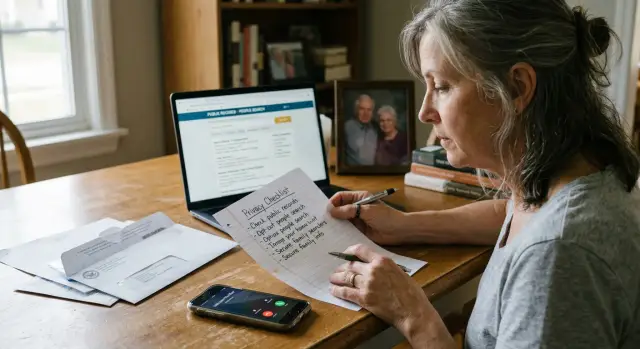
Why these calls feel so believable
These calls work because they do not sound random. They sound connected to a real loss.
A lot of them come within days of a death. That timing matters. When an obituary, funeral notice, memorial post, or court filing appears, family details can spread fast. Names, ages, past addresses, relatives, and phone numbers often end up on people-search sites and in data broker records before a family has time to think about privacy.
Grief makes this worse. Someone who is exhausted, distracted, and buried in paperwork is more likely to answer an unknown number. They are also less likely to challenge a caller who sounds calm and informed. A person who would normally hang up might stay on the line because the call seems tied to something real.
That is what makes widow scam calls feel different from ordinary spam. The caller may know the name of the person who died, the surviving spouse's name, the home address, and sometimes the names of adult children. They might mention the funeral home, a hospital, or the town where the family lives. Even if much of that came from public records and scraped pages, it still feels personal.
They also do not need a complete file. A few correct details can carry the whole lie. If someone says, "I'm calling about your husband" and then reads the right street address, the brain fills in the rest. Many people assume the caller must be tied to an insurer, a bank, a debt collector, or a government office.
Most scammers know how to use that moment. They often sound polite and matter-of-fact rather than aggressive. That tone lowers suspicion. The call feels targeted, official, and urgent at the same time. For a grieving person, that can be enough to make a false story sound true.
What scammers can find in public records
There is nothing mysterious about the information behind these calls. It usually comes from small pieces of public family data that look harmless on their own.
An obituary can list the spouse, children, siblings, funeral home, service date, and the towns where relatives live. Property records can confirm a home address, ownership history, and the name of a husband or wife on the deed. Marriage records and other family records can connect maiden names, past surnames, and relatives. Voter files and court records can add age clues, address history, and sometimes phone numbers or other contact details.
An obituary is often the first stop. It tells a scammer who died, who survived them, and when the family is likely overwhelmed. If the notice names a daughter, a brother, and a visitation date, the caller can drop those details into a conversation and sound like someone with a real connection.
Property records make the story stronger. A county database may show the exact home address and whether the property was owned by both spouses. That helps a scammer confirm they reached the right person before making up a problem about paperwork, bills, or an urgent issue tied to the home.
Marriage and family records help fill in name changes. If a woman now uses one last name but older records show another, the caller can stitch those identities together. That is often enough to find adult children, in-laws, or older addresses.
Court and voter records can add the last layer. In some places, they show a birth year, a past filing, or an address that matches other records. None of this is dramatic by itself. Put together, it gives a stranger enough detail to sound familiar and believable.
How people-search pages fill in the gaps
People-search sites make scattered records feel personal. They pull bits from voter files, property records, marketing databases, court records, and old account data, then place it all on one page. A stranger does not need much skill to look informed when the page has already done the sorting.
One profile can show a full name, approximate age, past addresses, possible relatives, and phone numbers. That matters because a scam caller only needs two or three correct details to sound real. If they know a late spouse's name, an adult son's city, and the street someone lived on years ago, the call stops feeling random.
This is why widow scam calls can sound so convincing. The caller may not know the family at all. They may just be reading from a people-search page and filling in the rest with pressure, urgency, and a few guesses.
These pages also connect details that would otherwise sit in separate places. An obituary may name relatives. A property record may show the address. A people-search site can merge those details into one profile, so the caller does not have to jump between multiple sources.
Old data makes the problem stick around. If one site removes or updates a page, copies can still remain on other people-search sites, in search caches, or in data broker databases that bought the same record earlier. That means wrong or outdated details can keep circulating long after a family thinks they are gone.
A small mistake by the caller does not always break the spell. Old addresses and former relatives can still sound close enough to be true, especially during a stressful week. That is often all a scammer needs to keep someone talking.
Why the timing matters so much
The first week after a death is messy in a very public way. An obituary may go up. Funeral details may be shared. Relatives post condolences. Local records begin to change. Each update seems harmless on its own. Together, they create a fresh set of names, family ties, cities, and dates.
That is why these calls often land early. A caller does not need every detail. They only need a few fresh facts, then they fill the gaps with older family data from people-search sites. If they know a spouse's full name, a recent city, and the name of one adult child, they can pretend to be from a bank, insurer, hospital, or law office.
The timing works because families are overloaded. In the first days, people are dealing with funeral plans, paperwork, travel, and nonstop messages. They are not checking every privacy setting or hunting down old profiles. A call that would sound obvious a month later can feel plausible when everything is moving at once.
Scammers know this. They push urgency before details are corrected, removed, or locked down. They may say a payment is due today, a policy needs confirmation, or a transfer is waiting for approval. The goal is simple: get a rushed answer before anyone checks the story against real records.
Fresh updates can also make stale data look current. A people-search page might still show an old address or a phone number from years ago. Once a new obituary or memorial post confirms the family connection, that old page suddenly feels accurate enough. The caller sounds informed even when half the file is outdated.
A simple example of how one call gets built
Most widow scam calls do not start with a hack. They start with a few public facts pulled together fast.
Picture a recent obituary. It names Michael Reed, gives the date of death, names his wife Carol, and mentions the funeral home. That already gives a caller a script that sounds personal instead of random.
A second search fills in the rest. A people-search page may show Carol's address, age range, old phone numbers, and the names of adult relatives. A property record can confirm the home address. Another page may connect Carol to her son Daniel. Now the caller has enough public family data to sound like someone with inside information.
The build is often simple:
- Start with the spouse's full name and the recent death.
- Add one detail that feels private, such as the street address, funeral home, or an adult child's name.
- Attach a believable problem, like an unpaid bill, a refund, an account issue, or a missed delivery.
- Push for action before the target has time to check anything.
That is why the call feels real. The details are partly true. The story is false.
A scammer might say, "I'm calling about Michael Reed's final hospital balance. We sent notices to Oak Street, and we also tried reaching Daniel." Or they might claim the funeral home arranged a refund, but first they need Carol to confirm a bank account, a card number, a one-time code, or a copy of an ID.
The goal is usually one of four things: money, documents, account access, or enough personal details to try again later. If they get a death certificate, a login reset code, or a debit card payment, they have something they can use right away.
A safer cleanup order to follow
When you are trying to reduce risk after a loss, order matters. The fastest win is removing pages that show family links, because that is often what makes these calls sound personal instead of random.
Start with people-search pages that list a spouse, children, siblings, age, and past addresses. Those pages can connect a recent death to the right phone number in a few clicks. Then read the obituary and any memorial page as if you were a stranger. Look for full names of relatives, city names, a home address, funeral details, maiden names, and phrases that make it clear who lives alone now.
After that, search the household's phone numbers, email addresses, and home address. A scammer does not need every detail. One current number plus an obituary is often enough. Then move on to duplicate listings and data broker pages. The same person may appear on several sites with small differences, and one missed profile can keep the whole problem alive.
Keep a simple log as you go. Write down the site name, what detail was exposed, when you sent a removal request, and what happened next. A plain notebook is fine. It saves time and makes repeat checks much easier.
This order works because it cuts off the most convincing details first. A people-search page may show who is related to whom. An obituary can confirm a recent death. A separate listing can supply the phone number. Put together, that becomes the script for a believable scam call.
If you want help with the repetitive part, Remove.dev handles removals across more than 500 data brokers and keeps checking for relistings. That kind of follow-up matters because one deletion rarely clears the whole trail.
Mistakes that make the problem worse
Small and understandable choices can give a caller more to work with. That is why some scam attempts get more convincing after the first contact.
One common mistake is calling the number back right away. The caller ID may look local or even match a real business, but spoofing is easy. If the caller claimed to be from a bank, hospital, funeral home, or insurer, hang up and use a number from a bill, an official letter, or the company's public contact page that you already trust.
Another problem starts with public updates. Grief posts are normal, but extra details can fill gaps for strangers fast. A post that includes a maiden name, the names of adult children, the funeral location, travel plans, or who is handling the estate can turn a vague story into a very personal one.
Single-page cleanup is another trap. Many people remove one people-search listing, feel relieved, and stop there. The same facts often sit on dozens of sites at once. One page pulls from another, old records get copied, and new pages can appear after the first ones come down.
Documents are another weak spot. Scammers often ask for a death certificate, probate paperwork, ID, or a utility bill to "verify" an account. Do not send anything until you confirm exactly who asked and why they need it. Real organizations can wait while you verify them.
A safer routine is simple:
- Verify the caller through a number you found yourself.
- Keep public posts short and leave out family identifiers.
- Remove data across multiple sites, not just one.
- Share paperwork only after you confirm the request.
- Check again later because listings can return.
That last point gets missed a lot. Data does not stay gone on its own. Brokers refresh records, scrape new sources, and relist old profiles. Ongoing monitoring matters whether you do it yourself or hand it off.
When someone is grieving, speed feels helpful. Slow is usually safer.
Quick checks for the first few weeks
The first check is simple: search what a stranger would search. That is often enough to explain why these calls sound personal so quickly.
Start with the widow's full name by itself. Then search the same name with the home address, and again with the phone number. Look for pages that place those details together, especially people-search sites that show age, relatives, and past addresses.
Next, search the deceased spouse's full name with the city. That often brings up obituary pages, memorial pages, old directory listings, and public record pages. One result may confirm the death. Another may show the house or phone number. A scammer only needs a few details to make a call sound real.
Do not try to scan the whole internet. Review the first two pages of search results for each search. That is usually where the easiest information sits, and easy information is what most callers use.
Pay close attention to pages that show relatives together. If a listing connects the widow to adult children, siblings, or in-laws, the caller has more ways to sound convincing. Even one family name can lower someone's guard during a hard week.
Write down the worst exposures first. Start with pages that combine a current address and phone number, an obituary or memorial page tied to family names and city, or a people-search listing that shows several relatives on one page. Those are usually the pages that make public family data easiest to use.
If the list is longer than expected, that is normal. The point of this first pass is not to finish everything. It is to find the pages that deserve attention first.
What to do next
If the calls feel personal, act in a calm order. You do not need to erase every public mention overnight. The goal is to cut off the easiest details first, warn the people around you, and keep money matters on a separate track.
Start with the pages that spread fastest. Some records are hard to change. County filings, probate notices, and other public records may stay public. What you can often change first are the pages that copy those records and make them easy to search.
Trim obituary and memorial pages if they show a home address, a full family list, or service details that do not need to stay public. Remove or suppress people-search profiles that bundle age, relatives, past addresses, and phone numbers on one page. Check social profiles and community posts for public comments that confirm the recent death, travel plans, or who is handling the estate.
Handle financial accounts on their own track. Turn on alerts, change passwords where needed, and place freezes or fraud alerts if the situation calls for them. Data cleanup can reduce future scam calls, but it does not replace account reviews, credit checks, or fraud monitoring.
Tell close family what these scripts usually sound like. A caller may claim to be from a hospital, funeral home, bank, insurer, debt collector, or government office. They may use the full name of the person who died, the surviving spouse's address, or the names of adult children to sound real. A short family message helps: do not confirm details, do not send money, and hang up before calling back on a trusted number.
Then make the check recurring. Ten minutes a month is usually enough to search names, phone numbers, and addresses again. Old listings often come back.
If you do not want to handle that repeated work yourself, Remove.dev can automate removals, keep watch for relistings, and show the status of requests in one dashboard. That is useful here because deleted profiles often return, sometimes within weeks.