Wire fraud after a home purchase: how scammers find you
Wire fraud after a home purchase often starts with exposed names, emails, phones, and address records. Learn what leaks during closing and how early data removal helps.
Why new homeowners get targeted so quickly
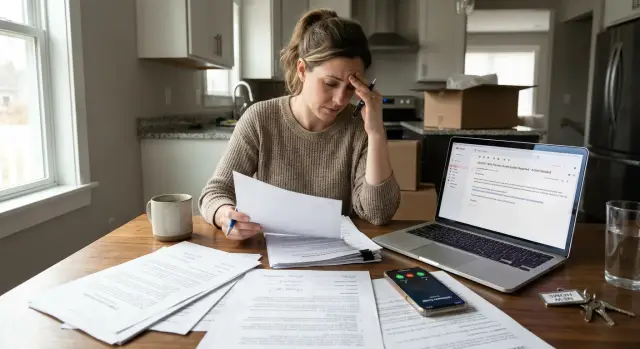
Buying a home creates exactly the kind of confusion scammers like. For a few weeks, calls, emails, and texts about deposits, title work, insurance, utilities, and final paperwork all feel normal. So when an urgent message arrives, it does not always stand out.
That timing matters. During closing, buyers expect last-minute changes and extra instructions. A fake message about a wire, a refund, or a missing payment fits the moment, even if the details are thin.
Scammers also do not need a complete file to sound convincing. If they know you just bought a house in a certain area, they can make a good guess about the rest. You are probably moving, updating accounts, waiting for escrow paperwork, and dealing with large payments. That is enough to write a message that feels plausible.
Often, one exposed detail is all it takes to start. A phone number on a people-search site, an email from an old marketing list, or a mailing address tied to public records gives a scammer a way in. Once you reply, even briefly, they can test what you know and what you are still expecting.
The risk does not end when the wire clears. After closing, scammers often switch to follow-up stories about title problems, refunds, mortgage servicing changes, home warranty issues, or records verification. Those stories work because they sound like real tasks a new homeowner might deal with in the first month.
Public exposure makes this worse. Property records, marketing databases, and data brokers can spread your contact details very quickly after a sale. That is why fraud after a home purchase is often not a one-time attempt. It can turn into weeks of targeted messages, especially if your phone number and email keep appearing in searchable databases.
New homeowners are not targeted because they were careless. They are targeted because they are easy to place in a real, time-sensitive situation. For a scammer, that is often enough.
What contact details often get exposed during closing
Closing creates a much wider paper trail than most buyers expect. Usually, it is not one dramatic leak. It is a pile of forms, emails, signatures, account setups, and recordings that make a new homeowner easier to find.
Your full name is often the first detail that becomes easy to confirm. It can appear in the deed, mortgage filings, tax records, and county property databases. If you bought with a spouse or partner, both names may show up, which gives scammers more ways to match the purchase to the right household.
Your new address is the next big piece. Once the sale is recorded, that address can be tied to your identity much faster than people think. A scammer does not need every private document. A name plus a home address is often enough to start pulling in old phone numbers, personal email accounts, relatives, and past addresses from people-search sites.
Where your contact details spread
During closing, your information moves through a long chain of people and services. Your agent, lender, title company, escrow staff, insurer, inspector, notary, moving company, and utility providers may all handle part of it. Even when each business is acting properly, your phone number and email can still end up across many inboxes, call logs, customer systems, and shared documents.
Small details can leak too. A sale date, lender name, loan amount, or move-in date may seem harmless on its own. Put together, those details make a fake message sound real. That is why a real estate closing scam often feels specific rather than random. The sender may know which lender you used, roughly when you moved, and the exact property address.
Public records fill in the rest. County filings and property sites may show the sale price and ownership details. Data brokers and people-search sites can connect that record to a mobile number or personal email within a day, sometimes faster. That is how a home purchase can lead to follow-up fraud weeks later, long after closing is over.
How scammers match those details to the right buyer
Most real estate scams do not begin with a wild guess. They begin with a match.
After a sale closes, scammers can check public records to confirm that a real transaction happened. A deed filing, mortgage record, or county transfer entry can show the buyer's name, property address, loan amount, and closing date. That tells them this person just went through a major transaction.
Then they fill in the gaps. Data brokers, scraped people-search sites, and old marketing lists can connect that name and address to phone numbers, email addresses, and past addresses. If two or three details line up, that is usually enough. They do not need perfect data. They only need enough to sound believable.
Social posts make the match even easier. A buyer might share a photo with moving boxes, mention the closing date, thank an agent, or post the new front door. That can tell a scammer whether the family is still moving, waiting on repairs, or dealing with contractors. Small details matter. A message feels more real when it arrives during the exact week the buyer is already juggling money, paperwork, and a move.
That is why wire fraud after a home purchase can feel so convincing. The scammer is not inventing a random story. They are copying the tone buyers heard during closing. They may write like a loan officer, a title company employee, or a real estate agent. Phrases like "final balance," "updated instructions," or "one last payment issue to clear" sound familiar enough to lower a buyer's guard.
Picture a simple example. A buyer closes on Friday. By Monday, a scammer has the property address from public filings, the buyer's cell number from a broker list, and the move-in date from social media. The text says there is a small escrow shortage and payment must be confirmed before funds are released. That story works because payment questions still feel normal.
A simple example of follow-up fraud
Maya closes on her house on a Friday afternoon. That night, she posts a front-door photo and says she finally got the keys.
Nothing about the post looks risky. She does not share her full address, account number, or closing papers. Still, the post gives scammers a timestamp. It tells them she just bought a home.
By Monday morning, Maya gets a phone call from someone who sounds calm and prepared. He says he is calling about a refund issue tied to her closing file. He mentions her street name and the lender she used.
That is enough to make the call feel real. A recent buyer hears details like that and thinks, "They must have my file."
A few minutes later, an email lands in her inbox. The sender name looks close to a real title or lender contact she saw the week before. The message says there was a tax overpayment and a corrected form is needed before funds can be released.
Now the pressure starts. The caller says the issue needs to be fixed today or the refund may be delayed for weeks. He asks Maya to reply with a copy of her ID, the closing statement, and the bank account she wants the refund sent to.
This is where people almost get caught. The story fits the moment. Homebuyers expect loose ends after closing. They are tired, busy, and still sorting documents, utility transfers, and moving boxes. A message that would look odd any other week can feel normal right after a sale.
Maya pauses because one detail feels off. The email address is similar to the real one, but not exact. She calls her title company using the number from her signed paperwork, not the number in the email. The company tells her there is no refund, no tax issue, and no request for extra documents.
That scam likely came from several small clues pulled together: a new public sale record, a social post, and contact details sold by people-search sites or data brokers. That mix is often enough.
What to do in the first 30 days after closing
Many buyers think the risk ends once the sale is done. In practice, the first month can be one of the busiest periods for follow-up fraud, because your contact details have just passed through lenders, title staff, agents, insurers, utilities, and mailing databases.
Start by making a simple record of every company and person who received your phone number, email, mailing address, or copies of your closing paperwork. That usually includes your bank, title company, real estate agent, mortgage servicer, insurance company, HOA, and utility providers. If a strange message shows up later, you can compare it with that list instead of guessing.
Save the official phone numbers for your bank and title company in your contacts now, before anything feels urgent. Use the number from your paperwork, statement, or the back of your bank card. Do not trust a number inside a text or email about a refund, escrow issue, missed payment, or updated wire instructions.
Bank alerts help too. Turn on notifications for large transfers, new payees, password changes, and profile updates. A warning within minutes is a lot better than discovering a problem two days later.
It also helps to keep one clear rule: never move money based on email alone. If a message says you owe a final fee, need to correct a tax payment, or must verify a last-minute escrow issue, stop and call the company through a number you already trust.
Common mistakes that make follow-up scams easier
Most follow-up fraud works because the message feels close enough to normal. After closing, buyers expect one more document, one more correction, or one more request. That makes small mistakes easy to miss.
One common mistake is trusting the display name instead of the full email address. A message can appear to come from your agent, title company, or lender while the actual address is off by one letter or comes from a free email account. On a phone screen, that difference is easy to miss.
Another mistake is replying to an old thread without checking who is actually in it. If a criminal spoofs a sender or gets into a real mailbox, the thread itself feels familiar, so people stop looking closely. A message inside a real closing conversation can get a reply much faster than a cold email.
Phone calls create the same problem. If the caller knows your property address, sale date, or lender name, many people assume the request is real. That is when they send an ID scan, confirm account numbers, or name the bank they used for closing. The caller sounds informed, but that proves very little. Much of that detail can come from public records and people-search sites.
Another big mistake is thinking the danger ends once the sale is complete. In reality, post-closing fraud often shows up after the paperwork is done, when buyers are busy with movers, utility transfers, refunds, warranty offers, and tax mail. A fake "final balance" notice or a bogus identity check can slip through because it sounds like one more routine step.
Old public profiles make all of this easier. If an old listing still shows your name, phone number, and address, or a people-search page ties that address to your relatives, scammers can build a convincing script very quickly.
A short checklist to lower your risk this week
The first week after closing is a good time for one quick privacy check. You do not need a huge security project. You only need to see what a stranger can find about you with a few searches and shut down the easiest routes to follow-up fraud.
A short checklist is enough:
- Search your full name with your new street address, old city, and new city. If a result shows your phone number, relatives, age, or a note about a recent move, save a screenshot.
- Search your main phone number and personal email on people-search sites. If either one points to the new home, a scammer already has enough to make a fake call sound real.
- Turn on bank alerts for large transfers, new payees, and profile changes.
- Keep one rule: never move money because of an email alone. Verify through a number you already trust.
A simple example shows why this matters. If someone can find "Daniel Reed, moved to Pine Street in June" along with a cell number, they can call and claim there is a title issue or county payment still due. That is often how these scams start. Not with a hacked account, but with a believable script built from public data.
Practical next steps if you want less public exposure
Once the sale is done, most buyers stop thinking about paperwork. That is often when the noise begins. Your name, phone number, email, and new address can spread through mailing lists, broker pages, and old email threads faster than most people expect.
You do not need to disappear from the internet. You do need to make yourself harder to match, contact, and pressure.
Start with the details scammers use most: your phone number, personal email, and home address. Search for them every few weeks. If they keep showing up on people-search sites or broker pages, submit removal requests and keep notes on where you found them. One removal is rarely enough because listings often come back.
It also helps to move your closing paperwork out of scattered inbox threads and into one secure place. An encrypted folder or password manager is much better than digging through six email chains when someone calls and claims to be from your bank or title company.
A short routine can keep things manageable:
- Check regularly for new listings of your phone number, email, and address.
- Save the real phone numbers for your bank, title company, mortgage servicer, and county office before you need them.
- Keep settlement statements, wiring records, and title documents in one secure folder.
- If a message mentions money, account changes, or urgent signatures, stop and verify it through a trusted number.
If something feels off, report it fast. Call your bank, then your title company, and then local law enforcement or the agency they direct you to. Speed matters.
If you do not want to handle broker opt-outs one by one, services such as Remove.dev can help. Remove.dev removes personal information from more than 500 data brokers, keeps checking for relistings, and shows requests in a dashboard, which can make post-closing cleanup much easier.
The goal is simple: give strangers less to work with. Fewer exposed contact points and fewer loose document trails make follow-up fraud much harder to pull off.
FAQ
Why do scammers target new homeowners so soon after closing?
Because the timing works in their favor. Right after closing, calls about escrow, title work, insurance, utilities, or refunds all feel normal, so an urgent message can blend in.
What details from my home purchase usually become public?
Your name and new address often become easy to confirm through deeds, mortgage filings, tax records, and county databases. Data brokers can then connect those records to a phone number, email, past addresses, and even relatives.
Can scammers find me even if I never posted my new address online?
Yes. A public sale record plus a people-search listing is often enough for someone to match your name, address, and contact details and write a message that sounds real.
What are the biggest red flags in a post-closing wire or refund message?
Look for urgency, changed wire instructions, refund claims, or requests for ID and bank details by email or text. Check the full sender address and phone number, not just the name that shows on your screen.
Is it safe to trust a caller who knows my lender or street name?
No. A street name, lender name, or closing date can come from public records or broker databases. It shows the caller did some homework, not that the request is real.
What should I do before sending money or documents after closing?
Pause and verify through a number you already trust from your paperwork, statement, or bank card. If money or sensitive documents are involved, do not rely on email alone.
How long does the risk last after I buy a house?
The first 30 days are often the busiest, but the risk can continue if your phone number, email, and address stay easy to find online. Many follow-up scams show up weeks later as fake warranty, tax, mortgage servicing, or title issues.
What should I do if I already replied to a suspicious message?
Call your bank and title company right away using trusted numbers. If you sent money, approved a new payee, or shared documents, report it fast so they can try to stop more damage.
Can removing my info from data broker sites reduce these scams?
It can help because it gives scammers less to work with. When your phone number and email no longer appear next to your new address, fake calls and emails are harder to tailor to your situation.
How can Remove.dev help after a home purchase?
Remove.dev removes personal information from more than 500 data brokers and keeps checking for relistings so your details do not pop back up later. Most removals finish in 7–14 days, and you can follow each request in a dashboard instead of filing opt-outs one by one.